


Wholesale Custom Printed Ribbon: Supplier Proof and RFQ Checklist
Evaluate Custom Printed Ribbon Wholesale options: artwork files, print method, color target, and MOQ. Narrow the list before requesting samples or quotes
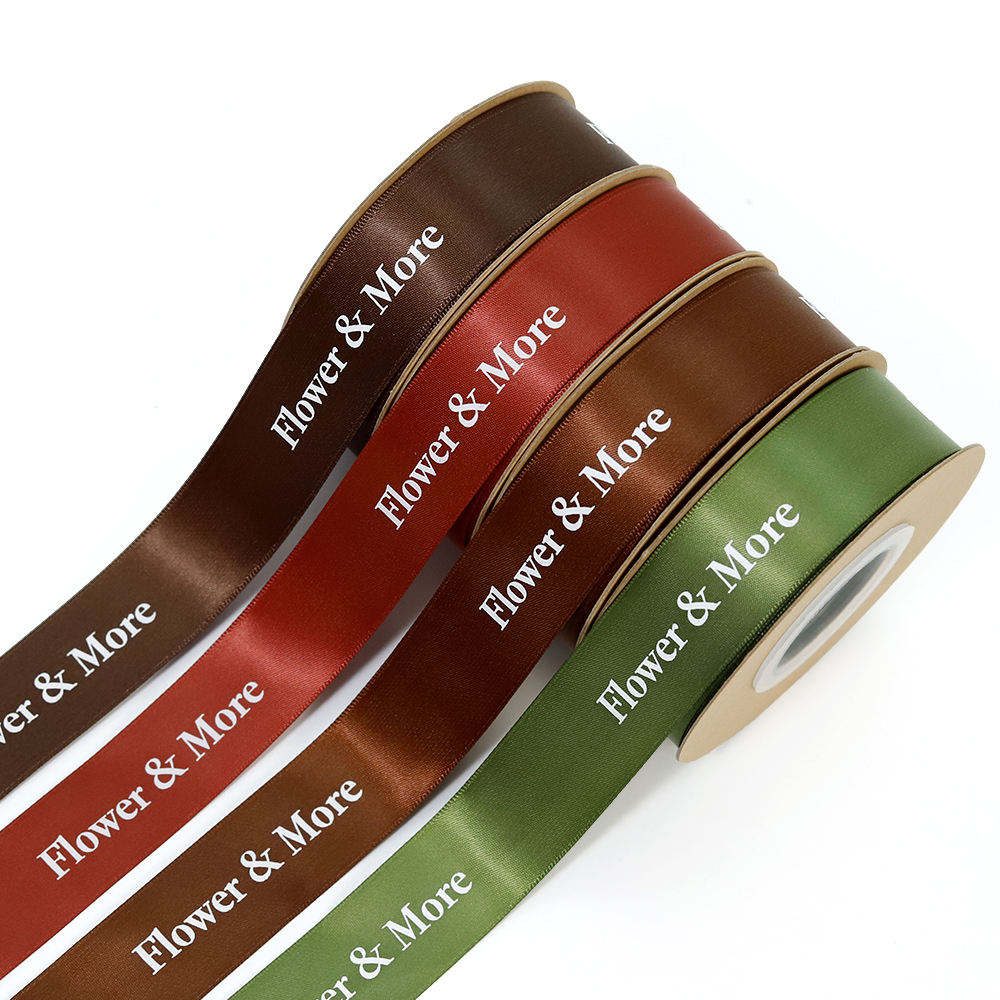
Custom printed ribbon wholesale needs a written specification before the buyer can shortlist Wholesale Custom Printed Ribbon suppliers using proof, capability, quality, MOQ, and delivery criteria; otherwise suppliers may quote different product and approval assumptions.
Printed ribbon suppliers are scored on registration and wash-fastness, because those are the two that surface after delivery.
Direct answer: For custom printed ribbon wholesale, compare matched samples, documented production capability, quality records, quantity rules, and delivery assumptions on the same basis.
What buyers should compare when sourcing custom printed ribbon wholesale
| Criteria | Baseline option | Confirmed option | Buyer meaning | Risk to avoid | Follow-up |
|---|---|---|---|---|---|
| Ribbon material, width, color, and artwork specification completeness | Material, width, print method, PMS color, and artwork file locked | Logo file supplied, but ribbon base and color unconfirmed | Quote compares like-for-like inputs, not different constructions or print scopes | Unclear specs can trigger requotes, shade disputes, or unusable samples | Attach a signed spec sheet before shortlist and sample approval |
| Price basis and customization cost drivers | Stock ribbon base with custom logo print quoted per design | Custom color, width, or metallic finish priced only by RFQ | Buyer sees which changes affect unit cost and setup exposure | Comparing headline prices can hide custom dyeing or tooling costs | Ask suppliers to split base ribbon, print, and customization charges |
| Production quality control and inspection evidence | Pre-production sample checked against signed artwork and sampling plan | Bulk approval relies on photos and subjective visual comments | Inspection criteria can be repeated at QC bench and receiving | Print rub, misregistration, or edge defects may reach stores | Define AQL or agreed sampling rules before bulk release |
| Artwork proof and sample approval ownership | Named buyer signs digital proof and physical sample approval | Multiple stakeholders comment without one final approval owner | Factory knows which version controls plate, color, and packaging | Late changes can delay release or create disputed logo placement | Record approver name, proof version, and sample date in PO |
| Factory capability and MOQ rule by product scope | Custom printed ribbon: 3,000 yards minimum per design | Custom color or width: RFQ confirmation by construction | Buyer separates firm order rules from negotiable custom specifications | Wrong MOQ assumption can block approval or force excess inventory | State design count, width, color target, and forecast in RFQ |
For ribbon material, width, color, and artwork specification completeness, a poor decision can mean unclear specs can trigger requotes, shade disputes, or unusable samples. Request written proof and compare it with the approved sample or specification.
Preserve the ribbon material, width, color, and artwork specification completeness decision under one revision number: keep the supplier response, marked sample, approved specification, quotation, and approval owner together. If the evidence conflicts with the approved record, hold the quote, sample, or production release until the deviation is explained in writing. Once the buyer and designated technical authority have accepted the evidence, carry the signed approval record into the purchase order, production handoff, shipment release, and later reorder review so every team works from the same baseline.
- Printed-ribbon specification control and artwork clarity: Check material, width, artwork file, print method, color target, and quantity. Supplier returns a signed spec sheet and realistic pre-production proof. Vague logo files or missing width data delay sampling and quotes. Issue a locked spec pack before sample-room work starts.
- Cost-driver transparency across materials, print coverage, and packing: Compare substrate, ribbon width, ink coverage, colors, reel length, and packing. Quote separates setup, sampling, packing, waste allowance, and landed-cost assumptions. A low unit price hides tooling, rework, repacking, or freight exposure. Normalize quotes to one landed-cost model before commercial review.
- Inspection discipline for print quality and roll consistency: Verify registration, shade match, edge finish, roll length, and defect definitions. QC plan references sampled inspection, such as ISO 2859-1, with records. Only polished photos are offered, with no batch inspection evidence. Approve a control sample and define rejectable print defects.
- Approval-gate control before bulk printed-ribbon production: Check proof sign-off, logo scale, repeat direction, and color reference. Supplier freezes artwork version and keeps an approved production sample. Production starts from email screenshots, causing repeat or color disputes. Document the approval gate before authorizing any bulk run.
- Supplier capability, MOQ fit, and reorder control: Verify ribbon range, artwork handling, custom-print MOQ by design, and reorder files. Supplier covers satin, grosgrain, organza, velvet, and states reorder controls. minimum order changes after artwork review, or repeat orders need new proofs. Shortlist suppliers that confirm minimum order and reorder terms by RFQ.
Factory capability evidence to request
Factory capability evidence should be practical, not brochure-heavy. Ask for recent sample cards, print examples on satin, grosgrain, organza, velvet, or metallic bases, and a photo of the QC bench setup. A supplier that can show comparable substrates and artwork treatments gives procurement a stronger basis for sample approval.
MOQ, sampling, lead-time, and reorder terms to compare
When the quote involves printed ribbon, separate the threshold for launching a design from the calendar around proofing, sample sign-off, production, and freight. Lude Ribbon's public rule lists custom printed work at 3,000 yards per design and standard production at 15-20 business days after specs are confirmed; reorders still need version control.
Communication, packing, and export-readiness signals
Communication and packing details reveal whether the supplier can handle wholesale handoff cleanly. Compare response clarity, carton marking, inner-bag protection, packing list format, and export document readiness. These checks matter when ribbon moves through a warehouse or kitting partner, where relabeling or unclear cartons can slow receiving.
Product and specification checks before shortlisting
- Which ribbon bases, widths, colors, and finishes are production-ready for this program? Unsupported specifications create sampling loops, custom-width requotes, and unstable reorder comparisons. Supplier lists stock options, quote request-only items, and sample approval limits. Shortlisting on catalog claims may hide tooling, color, or base-fabric constraints. Compare the sample card against your artwork pack before shortlisting.
- Can you supply a physical strike-off showing print side, logo scale, and color? Artwork proofs don't reveal ink laydown, edge sharpness, or ribbon feel. Sample matches approved artwork and records base, width, and print method. Bulk ribbon may pass artwork review but fail retail presentation checks. Sign the sample, file photos, and freeze changes before bulk approval.
- What inspection points catch misprint, shade drift, fraying, and packing errors? Printed ribbon faults often appear after cutting, winding, or final packing. QC checks compare production rolls against the approved sample and packing spec. Late defects can trigger chargebacks, repacking costs, or missed launch windows. Request inspection photos from the QC bench before balance payment or dispatch.
- Is custom printed production quoted per design, width, and approved artwork? Quote bases affect minimum order, setup cost, and future reorder control. Supplier confirms foil printed ribbon setup basis, substrate limits, and quote request exceptions. Mixed quote assumptions make competing offers look cheaper than they are. Issue one quote request sheet with artwork, quantity, packing, and delivery terms.
- Quote omits base material, width, color reference, print side, or finish. Unclear specifications hide substitution risk and make supplier comparisons unreliable. Return the quote pack and require one specification line per design. Signed specification sheet with material, width, color reference, and finishing notes. Shortlist only after procurement, design, and supplier approve the same sheet.
- Supplier offers only screen images for color and print approval. Digital proofs miss ink coverage, edge sharpness, and ribbon handle changes. Ask for a physical strike-off before any bulk release. Approved sample showing logo scale, print method, color, and backing feel. Compare the sample against artwork files and packing use conditions.
- Factory lacks documented experience across printing, bow-making, packing, and inspection. Unproven handoffs increase approval errors when ribbon becomes finished retail packaging. Separate ribbon production, conversion, packing, and QC responsibilities in the quote request. Process photos, prior sample references, and inspection checklist for similar orders. Approve suppliers only after the sample room confirms each process owner.
- Quote basis ignores the 3,000-yard custom printed minimum per design. Cost comparisons break when setup, artwork, and repeat quantities use different bases. Reprice each design against the approved minimum and confirm custom width separately. Supplier quote showing quantity basis, design count, print method, and exclusions. Reject side-by-side pricing until all bidders quote the same specification.
- No QC plan covers foil printed ribbon rub, alignment, or packing marks. Metallic transfer defects appear late if inspection checks only carton counts. Define acceptance checks for print position, surface rub, and roll labeling. QC record with retained sample, inspection points, and packing label match. Hold bulk approval until QC method matches the buyer’s use case.
Material, width, color, finish, and customization range
Start with a swatch card, not a product name. The same logo can look different on smooth, ribbed, sheer, plush, or metallic bases. Record the selected material, width, ground color, print color, finish, and roll presentation in the spec pack so every supplier prices the same item.
Printing, bow-making, packing, and inspection capability
Production scope matters because printing is only one control point. A capable supplier explains how artwork moves from proof to sample room, then through cutting, bow-making if needed, packing, and QC bench review. That process record helps procurement separate a repeatable program from a one-time sample offer.
MOQ, cost, sample, and lead-time questions
A loose quote basis makes the cheapest offer look safe until sampling, print setup, or delivery planning exposes the missing cost. Shortlist suppliers only after they quote the same order scope, minimum rule, proof route, and production calendar.
How to compare quote assumptions across suppliers
Lead time depends on confirmed specs, artwork review, sample approval, production, and freight. For Lude Ribbon, custom printed ribbon starts at 3,000 yards per design, and standard production runs 15-20 business days after specifications are confirmed. Custom colour or custom width stays quote-based.
| Quote point | Why it changes cost | Buyer check |
|---|---|---|
| Quantity per design | Setup cost spreads differently | Match the per-design quantity basis |
| Sample status | Unapproved proofs can add delay | Approve a physical strike-off |
| Development route | Custom width or colour changes planning | Use OEM and ODM ribbon development only when the file needs custom setup |
When low unit price creates quality or delay risk
A low unit price becomes risky when the supplier excludes the approval work. On the QC bench, compare the strike-off against the signed artwork, shade target, print position, and roll packing note before deposit release. If any item stays verbal, hold shortlist approval and require a revised written quote.
Quality and communication red flags
Shortlist a printed ribbon supplier only when its approval trail is clear enough to protect artwork, shade, packing, and reorder control. If the answer stays verbal, the risk is not just a bad sample; it can become a wrong production run, warehouse delay, or brand-packaging dispute.
Artwork, color, and sample approval gaps
A weak supplier treats artwork as a file upload. A safer one returns a marked proof that shows logo direction, repeat spacing, print color, ribbon base, and any limits created by satin, grosgrain, organza, velvet, or metallic surfaces. Printed ribbon specifications depend on material, width, artwork, print method, color need, and order quantity, so compare suppliers on the same written inputs.
At the sample-room gate, check the physical strike-off against the signed artwork and color reference before bulk approval. If the sample does not state the artwork version or approved shade, hold the quote file open and require a revised proof before shortlist release.
Packing, labeling, and repeat-order control risks
Packing tells you whether the supplier thinks beyond the roll. For gift and retail packaging ribbon solutions, unclear roll labels or mixed carton marks can slow receiving and make store-level presentation inconsistent.
Use a simple buyer check: compare the approved sample, carton mark draft, packing list format, and reorder reference before order release. If the supplier cannot link the new production to the last approved version, keep it off the shortlist until the packing and repeat-order record is corrected.
How to move from shortlist to RFQ
Before sampling, procurement should hold one quote pack that every shortlisted supplier can price without guessing. If the file lacks order scope, artwork control, or approval evidence, the cheapest offer can hide setup cost, wrong print direction, or a minimum that does not match the buying plan.
- Send the same ribbon base, width, colour target, artwork file, and packing request to each supplier, then compare only written replies.
- State the planned quantity by design. Lude Ribbon’s confirmed custom printed ribbon minimum starts at 3,000 yards per design; custom colour or custom width needs quote confirmation.
- Require the supplier to separate cost drivers such as print setup, sample work, packing format, and freight terms, so unit price does not mask missing work.
- Record the approval gate: digital proof first, physical sample next, then bulk release only after the buyer signs the same revision.
Quote-ready inputs to send
A good quote request gives the factory no room to choose cheaper assumptions on your behalf. For custom printed ribbon wholesale, include the end use, ribbon material, print colour target, logo repeat direction, roll or cut format, packing needs, target delivery window, and reorder expectation. Lude Ribbon can support printed ribbon work across bases such as satin, grosgrain, organza, velvet, and metallic ribbon, but the quote should still name the chosen construction.
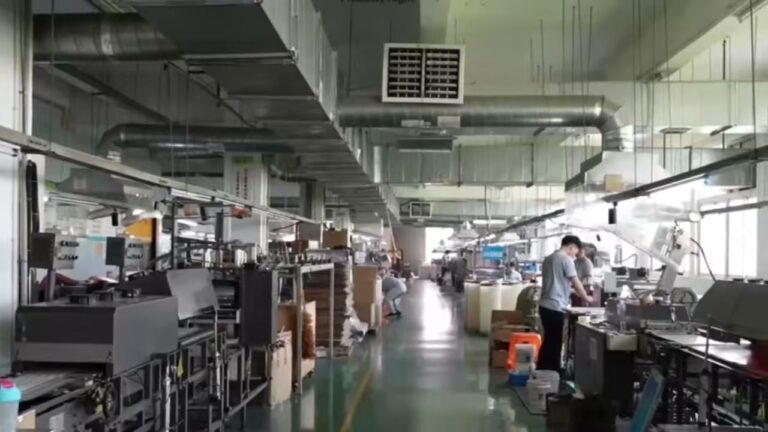
Use the Lude Ribbon factory background only as supplier context, not as proof that your exact design is approved. The proof comes from the returned quotation, artwork comments, and sample route.
Sample checks before deposit or bulk approval
In the sample room, we treat the physical ribbon as the buying standard, not a presentation piece. Check logo sharpness, shade against the agreed reference, print position, ribbon hand feel, edge condition, winding, and packing label. If the sample carries no artwork version or approval date, the bulk team has no clean control point for repeat production.
Release deposit or bulk approval only after the supplier updates the quote against the approved sample. If the sample exposes a gap, revise the written requirement first and keep that supplier pending until the corrected file, cost basis, and approval record match.
In conclusion
The final approval for custom printed ribbon wholesale should rest on a matched specification, not on a low unit price alone. Validate the spec by fixing ribbon material, width, base colour, print method, artwork file, roll format, packing, and use case; then compare options against the confirmed cost basis, custom printed minimum order of 3,000 yards per design, and stated production timing, with extra allowance for artwork review, sample approval, and shipping.
Quality risk is controlled before bulk production when the buyer asks for supplier proof: a physical strike-off or sample, clear colour and logo placement approval, and written confirmation that the approved sample becomes the production reference. Once those points are documented, the quote request can move into the sample handoff with a tighter shortlist and a cleaner basis to request a quote.
Custom printed ribbon FAQ
What factory capability checks should I finish before sending a custom printed ribbon RFQ?
Finish capability checks before quote request by matching the ribbon base, width, print method, artwork file, roll length, packing, and color standard to the intended use. For Lude Ribbon, custom printed ribbon minimum order is 3,000 yards per design, and standard production is 15-20 business days after specifications are confirmed. The main risk is a quote based on cheaper assumptions, so verify substrate options, print limits, sample procedure, and ask the supplier to confirm price, lead time, and approval steps in the quote request.
How can I compare custom printed ribbon suppliers on samples, communication, and repeat-order stability?
Compare suppliers by whether the approved sample can become a repeatable production standard, not only by the first quote. Check satin, grosgrain, organza, velvet, or metallic ribbon suitability, logo sharpness, color match method, roll consistency, carton marking, and communication record. Cost and minimum order should be quoted against the same specification; for Lude Ribbon, custom printed ribbon starts at 3,000 yards per design. The risk is reorder drift, so document the sample code and reconfirm it before repeat orders.
Which sample or QC proof should buyers request?
Buyers should request a physical printed ribbon sample or strike-off that shows the exact base ribbon, width, ground color, logo size, print color, edge finish, and winding or packing style. Lead time for bulk should be confirmed after sample approval, with Lude Ribbon’s standard production stated as 15-20 business days after specifications are confirmed. The risk is approving a screen image that hides ink coverage or alignment issues, so verify the physical sample and ask for quote request updates after approval.
Which quote terms should buyers compare before RFQ?
Before quote request comparison, align the quote basis: ribbon material, width, print side, number of colors, artwork handling, roll length, packing, carton marks, sample charges, payment terms, minimum order, and production lead time. Do not compare unit cost until every supplier quotes the same specification; for custom printed ribbon, Lude Ribbon’s minimum order is 3,000 yards per design. The risk is hidden setup or downgraded material, so ask each supplier to confirm excluded costs and sample approval conditions in writing.
What kind of ribbon are you wanting to print on?
Choose the ribbon to print on by function first: satin for smooth gift and retail presentation, grosgrain for a ribbed texture, organza for a sheer decorative look, velvet for a premium soft surface, and metallic ribbon when shine is part of the design. minimum order, custom width, custom color, and price should be confirmed in the quote request, with printed programs at 3,000 yards per design where applicable. The risk is poor ink appearance on the wrong surface, so approve a sample before bulk production.
quote request handoff: Send Specs for Review.
Keep exploring
Recommended buyer guides
 Velvet Ribbon Wholesale Checklist: MOQ, Finish, and Supplier Questions
Evaluate velvet ribbon wholesale options: MOQ, setup fees, unit cost, and packing. Narrow the list before requesting samples…
Explore guide
Velvet Ribbon Wholesale Checklist: MOQ, Finish, and Supplier Questions
Evaluate velvet ribbon wholesale options: MOQ, setup fees, unit cost, and packing. Narrow the list before requesting samples…
Explore guide
 Wholesale Ribbon By The Roll: Roll length and inventory planning
Evaluate Wholesale Ribbon By The Roll options: factory capability, QC proof, lead time, and reorder reliability. Narrow the…
Explore guide
Wholesale Ribbon By The Roll: Roll length and inventory planning
Evaluate Wholesale Ribbon By The Roll options: factory capability, QC proof, lead time, and reorder reliability. Narrow the…
Explore guide
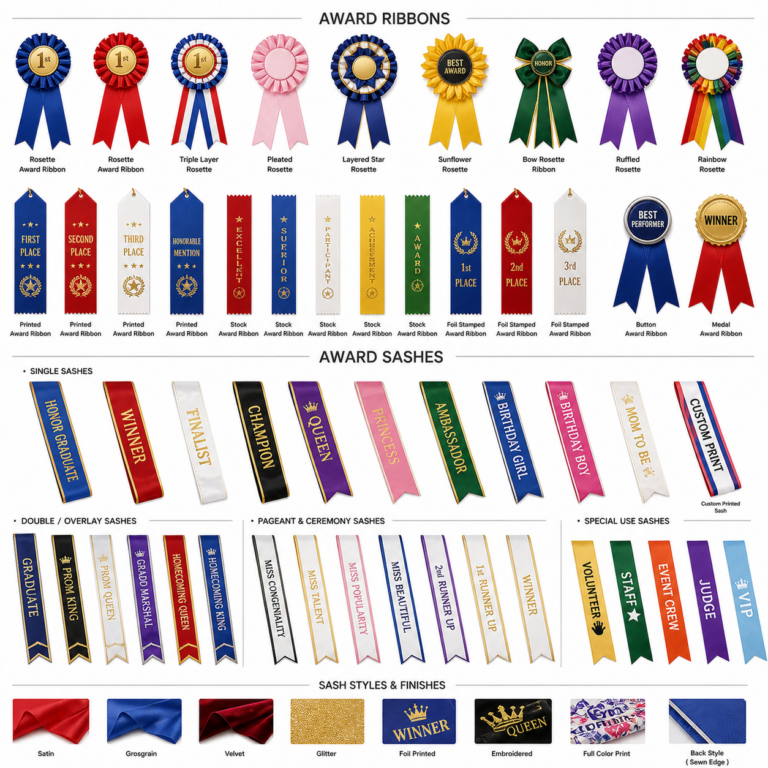 Award Ribbons Wholesale: Bulk award ribbon supplier checks
Shortlist Award Ribbons Wholesale suppliers by factory capability, QC proof, lead time, and reorder reliability. See which options…
Explore guide
Award Ribbons Wholesale: Bulk award ribbon supplier checks
Shortlist Award Ribbons Wholesale suppliers by factory capability, QC proof, lead time, and reorder reliability. See which options…
Explore guide
 Wholesale Ribbon Manufacturers: Factory vs Trading Company Checklist
Evaluate Wholesale Ribbon Manufacturers options: factory capability, QC proof, lead time, and reorder reliability. Narrow the list before…
Explore guide
Wholesale Ribbon Manufacturers: Factory vs Trading Company Checklist
Evaluate Wholesale Ribbon Manufacturers options: factory capability, QC proof, lead time, and reorder reliability. Narrow the list before…
Explore guide
Leave a comment
Share a sourcing question or feedback on this guide. The Lude team reviews submissions before following up.