


Organza vs Satin Ribbon: Key Production Differences for B2B
Evidence and specification note: Color targets, tolerances, test methods, documentation, acceptance criteria, and remedies must be confirmed for the quoted material and written into the approved sample, specification, and sales agreement. General scenarios in this article are not guaranteed production results. Pricing and example note: Current pricing is quoted to specification. Material, width, color, decoration,…
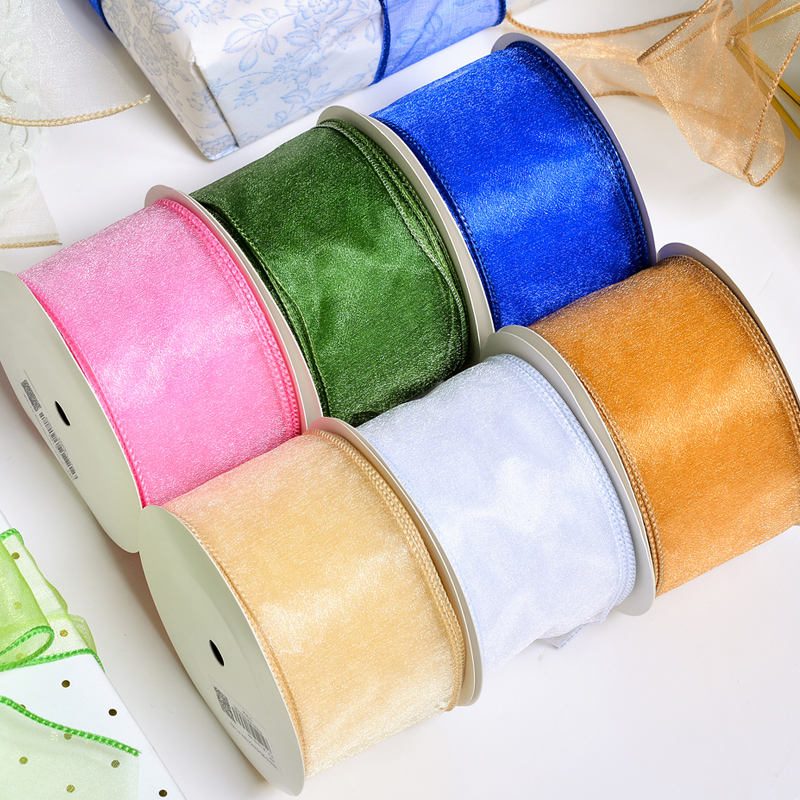
When you’re choosing between organza vs satin ribbon for a cosmetics launch, the decision isn’t just about how it looks under a showroom light. It affects automated packaging yield, color consistency across batches, and whether your supplier can back up compliance claims with a certificate. That last part trips up more engineers than they’d like to admit.
The color target, measurement method, lighting conditions, and acceptance tolerance are confirmed against the buyer-approved sample and written specification.
Why Your Ribbon Material Choice Affects Brand Perception
Define the buyer-approved acceptance criteria and verify the selected material with a dated sample or production-lot record.
Apply the buyer’s own brand standard. Approve color, construction, decoration, handling, inspection, and remedies on the proposed material without inferring a customer relationship from a general example.
- Define the buyer-approved acceptance criteria and verify the selected material with a dated sample or production-lot record.
- The color target, measurement method, lighting conditions, and acceptance tolerance are confirmed against the buyer-approved sample and written specification.
- Define the buyer-approved acceptance criteria and verify the selected material with a dated sample or production-lot record.
- Sampling Requirement: many industry disputes come from skipping physical sampling. Lude Ribbon enforces mandatory sampling before bulk — reject any supplier who waives this step.
| Material | Aesthetic & Perception | Technical & Compliance | Cost & Volume | Best Use Case |
|---|---|---|---|---|
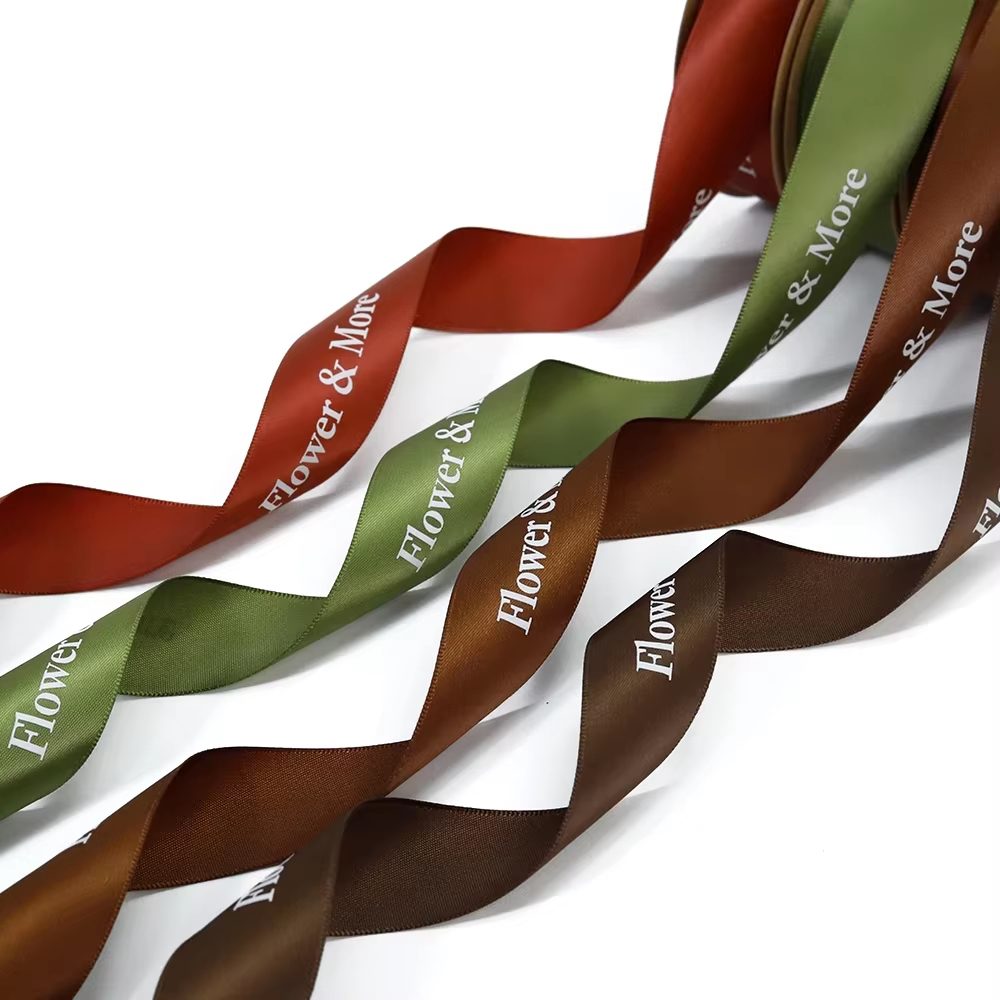
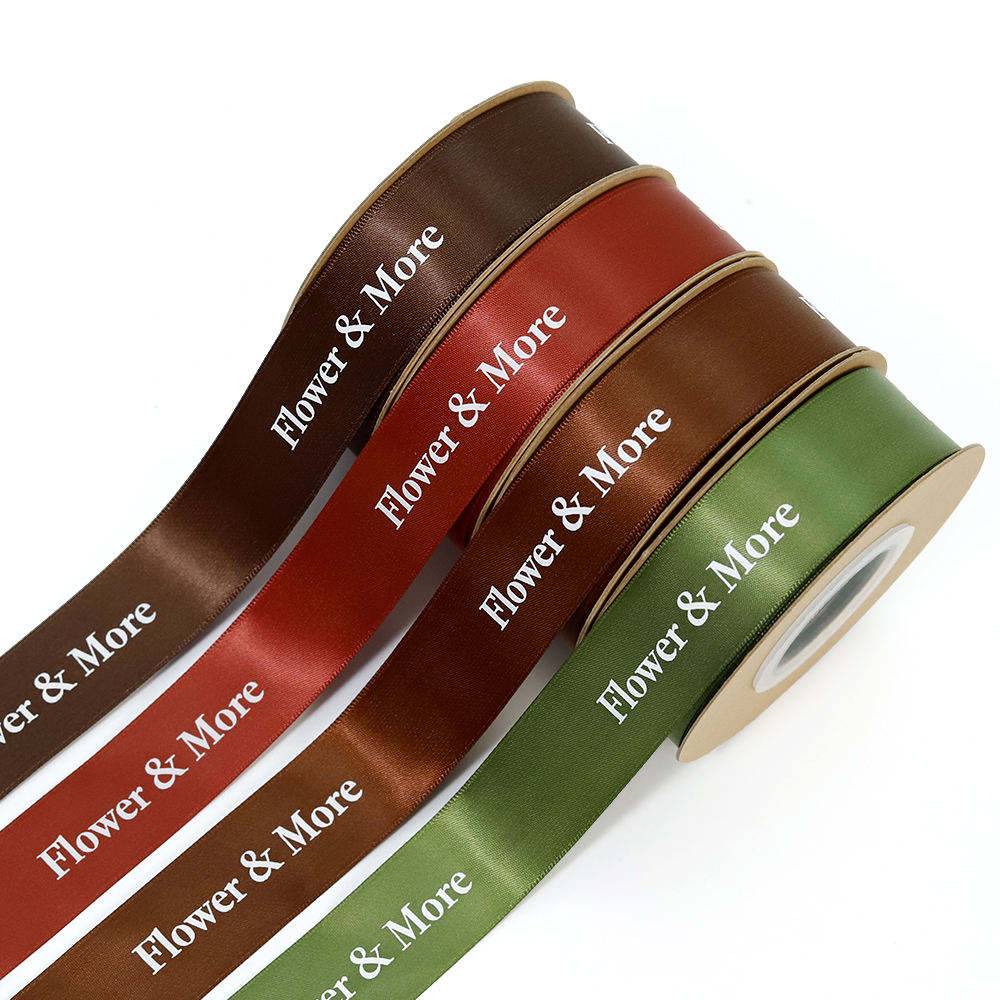
| Satin Ribbon | High-gloss, smooth finish conveys premium tactile quality; enhances unboxing experience for luxury cosmetics. | Use the buyer-approved method, threshold, and dated result | Current pricing is quoted after the material, width, decoration, quantity, packing, delivery terms, and destination are confirmed. | Automated bow tying on high-speed lines; perfume boxes, lipstick sleeves, gift sets requiring structural rigidity. |
| Organza Ribbon | Sheer, translucent finish evokes sophistication and layering; ideal for limited editions and gift box accents. | Use the buyer-approved method, threshold, and dated result | Any cost, discount, or savings must be calculated from the dated quotation and the buyer’s approved specification. | Soft layered bows, decorative ribbons where visual airiness is prioritized; requires wire-edge or edge sealing for durability. |
Organza vs Satin: Real Cost Breakdown per Yard
Organza costs less per yard, but satin delivers lower total cost on automated lines.
Define the buyer-approved acceptance criteria and verify the selected material with a dated sample or production-lot record.
Define the buyer-approved acceptance criteria and verify the selected material with a dated sample or production-lot record.
- Pricing differences among materials, widths, print methods, quantities, and packing must be calculated from dated quotations for the same approved specification.
- Edge finishing cost: Current pricing is quoted after the material, width, decoration, quantity, packing, delivery terms, and destination are confirmed. Satin’s tighter weave needs no edge treatment for standard widths under 50mm.
- REACH and OEKO-TEX documents: For satin or organza programs, current REACH or OEKO-TEX documentation and any associated cost must be confirmed for the exact material.
The real cost comparison isn’t per-yard price — it’s per-package cost after waste, edge finishing, and compliance overhead. Any cost, discount, or savings must be calculated from the dated quotation and the buyer’s approved specification.
| Material | Baseline Cost per Yard | Volume Discount Price (10,000 yd) | Mechanical Strength | Color Accuracy |
|---|---|---|---|---|
| Organza (Sheer) | Quoted after RFQ | Quoted after RFQ | Use the buyer-approved method, threshold, and dated result | buyer-approved ΔE tolerance (with mandatory sampling) |
| Satin (Double-Face) | Quoted after RFQ | Quoted after RFQ | Use the buyer-approved method, threshold, and dated result | buyer-approved ΔE tolerance (with mandatory sampling) |
Print Quality & Durability: Which Ribbon Holds Up?
Satin holds foil stamping better; organza ink bleeds due to open weave.
State the buyer-approved method, conditions, repetitions where applicable, acceptance criteria, date, and sample or lot result.
- Ink bleed on organza: Organza’s sheer, loose weave causes capillary action that draws ink away from the intended print area. This results in blurred logos, especially on fine text or small foil details. The defect is structural, not a process error.
- State the buyer-approved method, conditions, repetitions where applicable, acceptance criteria, date, and sample or lot result.
The color target, measurement method, lighting conditions, and acceptance tolerance are confirmed against the buyer-approved sample and written specification.
How to Choose the Right Ribbon for Your Cosmetics Line
Satin wins on tensile and color; organza saves cost but frays more.
The color target, measurement method, lighting conditions, and acceptance tolerance are confirmed against the buyer-approved sample and written specification.
- Define the buyer-approved acceptance criteria and verify the selected material with a dated sample or production-lot record.
- Hybrid (satin + organza overlay): Combines satin’s gloss and strength with organza’s translucency.
Regardless of material choice, skip the physical sample and you join the many buyers who face post-production disputes — color shift, wrong stiffness, or foil peeling. Lude Ribbon enforces a mandatory sample-before-bulk workflow. The factory sends a physical sample within 7–14 business days from artwork approval. Only after client sign-off does bulk production begin. This is the single step that reduces the color mismatch and handling surprises that cause line stoppages or repackaging costs.
Conclusion
The color target, measurement method, lighting conditions, and acceptance tolerance are confirmed against the buyer-approved sample and written specification.
Request a physical sample pack to confirm tensile strength and color tolerance before committing to bulk. Skipping that step causes many post‑production disputes—a risk you can avoid with a 7–14 business day turnaround on samples.
Frequently Asked Questions
Is organza ribbon strong?
Define the buyer-approved acceptance criteria and verify the selected material with a dated sample or production-lot record.
What is satin ribbon used for?
Satin ribbon is primarily used for premium packaging, gift wrapping, and branding applications where a glossy, high-end finish is required. Request a satin sample card for your Pantone match.
What are the disadvantages of organza?
Organza frays easily, has lower tensile strength than satin, and its open weave causes ink to bleed, making foil stamping less durable. Order a physical sample to test fraying on your line.
What is the difference between ribbon and satin ribbon?
Satin ribbon is a specific type of ribbon made with a glossy weave on one or both sides, while ‘ribbon’ is a general category that includes organza, grosgrain, velvet, and metallic materials. Choose satin for high-clarity logo printing.
Can I get Oeko-Tex certified satin ribbon for cosmetics?
OEKO-TEX coverage is material- and certificate-specific. Request the current certificate number, issuer, product scope, and expiry with the RFQ before relying on this requirement.
Keep exploring
Recommended buyer guides
 Pre-Tied Bows for Retail Packaging: When They Reduce Labor and Rework
See when pre-tied bows reduce retail packaging labor, improve consistency, and simplify bulk packing, SKU planning, and reorders
Explore guide
Pre-Tied Bows for Retail Packaging: When They Reduce Labor and Rework
See when pre-tied bows reduce retail packaging labor, improve consistency, and simplify bulk packing, SKU planning, and reorders
Explore guide
 Velvet Ribbon Wholesale Checklist: MOQ, Finish, and Supplier Questions
Evaluate velvet ribbon wholesale options: MOQ, setup fees, unit cost, and packing. Narrow the list before requesting samples…
Explore guide
Velvet Ribbon Wholesale Checklist: MOQ, Finish, and Supplier Questions
Evaluate velvet ribbon wholesale options: MOQ, setup fees, unit cost, and packing. Narrow the list before requesting samples…
Explore guide
 Wholesale Custom Ribbon with Logo: Specs, Roll Length, and RFQ Checks
Step-by-step: Custom Ribbon With Logo. Check artwork files, print method, color target, and sample approval to avoid delays,…
Explore guide
Wholesale Custom Ribbon with Logo: Specs, Roll Length, and RFQ Checks
Step-by-step: Custom Ribbon With Logo. Check artwork files, print method, color target, and sample approval to avoid delays,…
Explore guide
 Wholesale Ribbon By The Roll: Roll length and inventory planning
Evaluate Wholesale Ribbon By The Roll options: factory capability, QC proof, lead time, and reorder reliability. Narrow the…
Explore guide
Wholesale Ribbon By The Roll: Roll length and inventory planning
Evaluate Wholesale Ribbon By The Roll options: factory capability, QC proof, lead time, and reorder reliability. Narrow the…
Explore guide
Leave a comment
Share a sourcing question or feedback on this guide. The Lude team reviews submissions before following up.