


Organza Ribbon Supplier: Supplier shortlist
Which Organza Ribbon Supplier options deserve an RFQ? Compare factory capability, QC proof, lead time, and reorder reliability to find the right
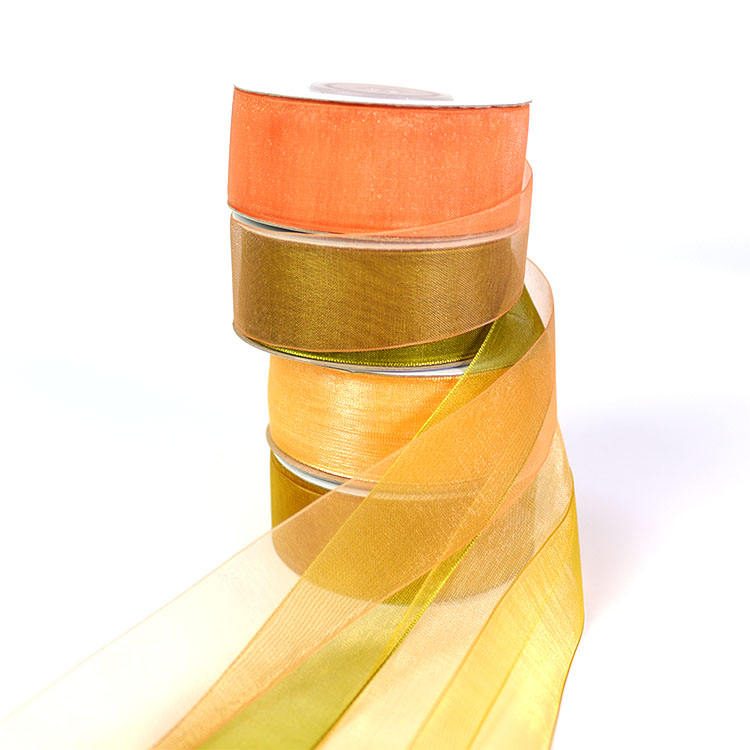
Organza ribbon supplier needs a written specification before the buyer can shortlist Organza Ribbon suppliers using proof, capability, quality, MOQ, and delivery criteria; otherwise suppliers may quote different product and approval assumptions.
This guide connects organza ribbon supplier to parameters, cost impact, supplier risk, factory process, and procurement advice.
Direct answer: For organza ribbon supplier, compare matched samples, documented production capability, quality records, quantity rules, and delivery assumptions on the same basis.
How buyers should evaluate organza ribbon supplier
- Supplier capability: Request a factory capability statement listing looms, edge-finish methods, and width tolerance range for organza. Supplier provides a written capability sheet with specific machine types and width tolerances. Supplier cannot describe their organza-specific production process or edge-finish options. Shortlist only suppliers who provide a documented capability statement before sample request.
- MOQ or order quantity: Confirm MOQ per organza width, color, and edge finish; plain stock vs. custom printed. Supplier publishes clear minimum order tiers for stock and custom organza ribbon. Supplier quotes a single minimum order without distinguishing stock from custom orders. Document minimum order per SKU in the RFQ and verify against your program volume.
- Quality control: Ask for the QC checkpoints: width measurement, edge fray inspection, and color consistency across rolls. Supplier shares a QC checklist with pass/fail thresholds for organza ribbon. Supplier only mentions general quality without organza-specific checks. Request a copy of the QC checklist and include it in the sample approval gate.
- Verification method: Require a production sample that matches the approved strike-off; measure width and inspect edge finish. Supplier provides a sample with a signed approval form and measurement report. Supplier ships bulk without a signed sample approval or measurement record. Hold bulk production until the sample is approved in writing with measurements.
- Check the supplier's process for color strike-off approval and reorder color matching. Supplier uses a digital color standard and retains strike-off records for reorders. Supplier approves color by monitor only and has no retained standard. Require a physical strike-off and a reorder color-matching protocol in the contract.
- Supplier cannot show organza-specific edge-finish equipment or process documentation. Without dedicated hemming or selvedge control, edges may fray during handling, causing rejects at your packing line. Request a written description of their edge-finish method (e.g., heat-cut, hemmed, or fused) and ask for a video of the production line. Edge-finish process sheet or short video clip showing the actual machine running organza. Add edge-finish method as a mandatory RFQ line item before sample approval.
- Supplier offers only a single minimum order without breaking out plain stock vs. custom printed organza. A combined minimum order hides the real minimum for your program, risking over-order or a mismatch between design and stock runs. Ask for separate minimum order figures: one for plain stock organza (existing colors/widths) and one for custom printed organza per design. Written minimum order breakdown by product type, including any per-color or per-design minimums. Compare the minimum order breakdown against your program volume and confirm reorder terms before signing.
- Supplier cannot provide a documented QC sampling plan (e.g., AQL level) for organza rolls. Without a defined inspection standard, you have no recourse if width tolerance, color consistency, or edge defects appear in bulk. Ask for their AQL sampling plan or equivalent written procedure, and request a sample of the QC checklist they use on organza. QC sampling plan document (e.g., the agreed sampling plan normal) and a blank inspection checklist for organza rolls. Include the QC plan as a contract appendix and schedule a third-party inspection on first bulk order.
- Supplier cannot produce a recent organza production sample with a dated spec sheet. Without a current sample, you cannot verify width, edge finish, or color against your spec before committing to bulk. Request a production sample from their current organza stock, accompanied by a spec sheet showing width, edge type, and color code. Physical sample with a dated spec sheet and a photo of the sample next to a ruler for width verification. Approve the sample in writing and keep the spec sheet as the baseline for bulk inspection.
- Supplier has no export packing standard for organza rolls (e.g., core size, roll wrap, carton labeling). Improper packing leads to crushed rolls, moisture damage, or mislabeled shipments, causing delays and replacement costs. Ask for their standard export packing specification for organza rolls, including core inner diameter, roll wrap material, and carton labeling format. Export packing specification sheet and a photo of a packed organza roll ready for shipment. Add the packing spec to the purchase order and request a pre-shipment photo of the packed rolls.
Factory capability evidence to request
Ask the organza ribbon supplier for a written capability statement that lists their looms, edge-finish methods (hemmed, fused, or raw cut), and width tolerance range. A capable factory will document these details without hesitation. This evidence confirms they can produce your exact organza specification before you invest in sampling.
MOQ, sampling, lead-time, and reorder terms to compare
Compare each supplier's minimum order for plain stock organza versus custom printed or custom width orders. Also request their standard lead time after specification confirmation and their reorder policy for color matching. A supplier with clear, published terms reduces order risk and helps you plan inventory without last-minute surprises.
Communication, packing, and export-readiness signals
Evaluate how quickly the supplier responds to quote request questions and whether they provide packing details such as roll length, core size, and export carton dimensions. A supplier who proactively shares export documentation and packing specifications is more likely to deliver consistent, damage-free organza ribbon shipments on schedule.
For organza ribbon supplier, use the how buyers should evaluate organza ribbon supplier evidence check to compare the supplier record with ISO 2859-1 sampling inspection standard before accepting the requirement.
Product and specification checks before shortlisting
- Does the supplier list the exact organza width, edge finish, and color fastness range in their standard spec sheet? A clear spec sheet prevents width variation, edge fraying, and color bleed that cause rework. Supplier provides a spec sheet with width tolerance, edge type (hemmed, fused, or raw), and color fastness rating. Approving a sample that matches the spec sheet but bulk rolls drift in width, causing packaging fit failures. Request the spec sheet and compare it against your quote request parameters before sample approval.
- Can the supplier produce custom colors, widths, and finishes without a separate tooling charge? Customization flexibility affects lead time and minimum order commitment for non-stock programs. Supplier confirms OEM and ODM ribbon development with no tooling fee for custom colors and widths within their production range. Hidden setup costs or extended lead times for custom specs that blow the budget or delay launch. Document the custom color target, width, and finish in the quote request and ask for a written confirmation of no tooling charge.
- Does the supplier have in-house printing, bow-making, and packing lines to control quality end-to-end? In-house capability reduces hand-off errors and ensures consistent print registration, bow shape, and packing integrity. Supplier operates its own printing, bow-making, and packing lines with documented inspection checkpoints. Outsourced finishing leads to mismatched colors, loose bows, or damaged packaging that triggers returns. Request a process flow diagram showing inspection gates for printing, bow assembly, and final packing.
- What inspection method does the supplier use to verify width consistency and edge finish across a production run? Width drift and edge defects are common in organza ribbon and cause downstream rejection. Supplier uses in-line width monitoring and random edge-finish checks at set intervals during production. Approving a bulk run without width verification leads to rolls that cannot feed automated bow-tying machines. Add a width-tolerance clause and edge-finish inspection step to your purchase order or quality agreement.
Material, width, color, finish, and customization range
Before shortlisting, verify that the supplier can match your exact organza width, edge finish, and color target. A spec sheet should list width tolerance, edge type, and color fastness. For custom programs, confirm OEM and ODM ribbon development is available and ask whether tooling charges apply. This prevents width drift and color bleed that cause rework.
Printing, bow-making, packing, and inspection capability
In-house printing, bow-making, and packing lines reduce hand-off errors and keep quality consistent. Ask the supplier to share their process flow with inspection checkpoints for each stage. Without these capabilities, outsourced finishing can lead to mismatched print registration, loose bows, or damaged packaging that triggers returns and delays your launch.
MOQ, cost, sample, and lead-time questions
| Criteria | Baseline option | Confirmed option | Buyer meaning | Risk to avoid | Follow-up |
|---|---|---|---|---|---|
| Specification details | Standard stock widths and colors from inventory | Custom width, color, or print matched to your design | Stock ribbon ships fast from existing inventory; custom requires a separate setup and approval step. | Mismatched width or color tolerance can delay packing or cause rejection at inspection. | Verify the supplier's width tolerance and color range against your spec sheet before quoting. |
| Cost driver | Plain stock ribbon priced by yard from existing inventory | Custom printed ribbon priced per design with setup and ink costs | Stock pricing is predictable; custom printing adds artwork, plate, and color-matching fees. | Low unit price on custom printed ribbon may hide setup charges or minimum run costs. | Request a full cost breakdown: material, setup, ink, and any surcharge for rush or small repeat orders. |
| Quality control | Visual inspection of width and edge finish on stock rolls | Color strike-off and print registration check before bulk run | Stock quality is checked against a standard; custom requires proof approval and in-line QC. | Without a signed strike-off, color shift or misregistration can pass unnoticed until final packing. | Require a physical strike-off for every custom printed ribbon design and document approval in writing. |
| Approval risk | No artwork approval needed for stock colors and widths | Artwork proof and color strike-off must be signed before production | Stock orders skip the approval gate; custom orders stall if proofs are not reviewed promptly. | Delayed proof sign-off pushes the production slot and may incur a rescheduling fee. | Set a 48-hour approval window for proofs and confirm the supplier's rescheduling policy upfront. |
| MOQ or order quantity | 1,500 yards per color and width from existing stock | 3,000 yards per design for custom printed ribbon (per program) | Stock MOQ is lower and uses existing inventory; custom MOQ covers setup and plate costs. | Ordering below MOQ may trigger a short-run surcharge or force a stock-only alternative. | Confirm MOQ per color and design, not per order, and ask if a trial run is available at a higher per-yard rate. |
For specification details, a poor decision can mean mismatched width or color tolerance can delay packing or cause rejection at inspection. Request written proof and compare it with the approved sample or specification. Use the result to decide whether this checkpoint can proceed or must stay on hold.
How to compare quote assumptions across suppliers
When you request quotes for organza ribbon, each supplier may base pricing on different width tolerances, edge finishes, or color-matching methods. Ask each supplier to list the exact specification assumptions behind their unit price. A quote that looks lower may assume a looser tolerance or a simpler print method that does not match your quality requirement.
When low unit price creates quality or delay risk
A low unit price on custom printed ribbon often means the supplier skipped a color strike-off or reduced the number of print passes. Without a signed proof, color shift or registration drift can pass unnoticed until final inspection. The cost of rework or rejected goods usually exceeds the upfront saving. Always verify what the price includes before approving the quote.
Quality and communication red flags
- Supplier sends a digital proof that looks different from the strike-off you approved. The factory skipped a production proof run or used a different dye lot for the sample. Compare the strike-off against the bulk production sample under daylight and store lighting. Require a signed production sample approval before any bulk cutting begins.
- Rolls arrive with inconsistent width or frayed edges across the shipment. The supplier did not run edge-finish checks during slitting or used a worn blade. Measure width at three points on each roll and inspect edge finish for loose threads. Document the tolerance you accept in the PO and request a width inspection report per roll.
- Color bleeds or fades after the first wash or light exposure on a sample. The dye fixation process was shortened or the wrong dye type was used for organza. Run a quick wash test and a 24-hour UV exposure test on the submitted sample. Approve only after receiving a passed colorfastness test report from the supplier.
- Packaging labels do not match the PO, and the inner carton count is off. The packing team used generic labels and did not verify the carton contents. Request a pre-shipment photo of labeled cartons with visible roll counts and PO numbers. Add a packing verification step to your QC checklist before the container is sealed.
- Repeat orders arrive with a different shade or finish than the first order. The supplier did not archive the original dye formula or production settings. Ask the supplier to provide the archived production record and a new pre-production sample. Lock the approved sample and formula reference into a repeat-order specification sheet.
Artwork, color, and sample approval gaps
A color strike-off approved on a monitor may look different on an organza roll under factory lighting. Always request a physical sample cut from the actual production yarn lot. Compare it against your PMS target under a daylight lamp. Without this step, you risk approving a shade that shifts under retail display lighting, especially for gift and retail packaging ribbon solutions solutions where color consistency drives brand perception.
Packing, labeling, and repeat-order control risks
A supplier who changes carton labeling or packing format between orders may also change material or construction without notice. Require a pre-shipment photo of the labeled carton and a signed packing list that matches the PO line by line. Retain a reference sample from the first order to compare edge finish and weave density on arrival. This prevents surprises during repeat-order fulfillment.
How to move from shortlist to RFQ
For organza ribbon supplier, build the quote request around Document lead time from specification confirmation to shipment. Match every listed buyer input to written supplier confirmation, approval evidence, and the risk that would hold the quote.
- Document lead time from specification confirmation to shipment: Lead time governs retail calendar placement and air-freight cost risk A 15-20 business day production window after artwork approval does not include sample rounds or sea transit Late delivery forces expedited shipping or missed seasonal launch windows Request a calendar-based production schedule that includes sample approval and shipping days
- Identify the primary cost driver: print method vs. base fabric vs. quantity: Cost driver determines where negotiation leverage exists and where quality cannot be cut Rotary screen printing on sheer organza adds setup waste that raises per-yard cost at low volumes Buyer may accept a low unit price from a supplier who skipped colour-fastness testing Ask the supplier to itemize the quote by material, print, and finishing cost components
- Confirm quality control checkpoints for colour and print registration: Organza's transparency makes misregistration and colour shift visible on both sides of the ribbon A strike-off approved on paper may show ink bleed when applied to sheer fabric under production heat Bulk rolls may show colour drift across dye lots, causing returns from the retailer Require a pre-production sample on actual organza fabric and a colour tolerance report
Quote-ready inputs to send
Before requesting a quote, gather the exact organza width, edge finish, color target, and print method. Suppliers like Lude Ribbon need these details to calculate per-yard cost and lead time. Missing a specification forces a requote or delays sample approval. Attach a specification sheet with tolerances to every quote request.
Sample checks before deposit or approval
Always request a production sample before approving the bulk run. Check width consistency across the roll, edge finish quality, and color accuracy against the approved strike-off. A sample that passes these checks reduces the risk of a rejected shipment. Document the sample approval in writing before releasing the deposit.
In conclusion
Final approval of your organza ribbon supplier comes down to verifying the specification sheet against your quote, confirming width tolerance, edge finish, and color fastness before any bulk commitment. Compare minimum order thresholds—plain stock colours typically start at 1,500 yards, while custom printed designs require 3,000 yards per program—and request a clear cost breakdown that ties unit price to width, colour, and quantity. Lead time should be locked at 15–20 business days after specification confirmation, with additional time budgeted for artwork review and sample approval.
Before handing off the quote request, document every parameter: exact width, edge finish (hemmed or wire-edged), colour target, packing format, and delivery window. Request a production sample to verify width consistency and colour accuracy against an approved strike-off, and confirm that the supplier’s quality agreement covers defect classification and AQL standards. A supplier who can demonstrate factory-side checks on these points—rather than just listing product features—reduces the risk of reorders and ensures the final ribbon meets your program’s specifications.
Organza ribbon supplier FAQ
What should buyers confirm before ordering Organza Ribbon Supplier?
Before ordering, confirm the exact organza width, edge finish (e.g., hemmed or raw cut), and color target against a physical reference. Check that the supplier’s minimum order for plain stock organza ribbon matches your quantity needs, and for custom printed designs, verify the minimum per design. Document lead time from specification confirmation and factor in artwork review and sample approval before bulk production.
How should buyers compare MOQ, lead time, and quote terms?
Compare quotes by requesting a clear breakdown of unit cost based on width, color count, and order volume. Ask each supplier to state their minimum order for stock colors versus custom colors and their standard production lead time after specification confirmation. Verify that the quoted terms include sample costs and shipping, and shortlist suppliers who provide consistent lead time and minimum order figures in writing.
What sample, quality, or supplier checks reduce risk?
Request a production sample before approving the bulk run and check width consistency, edge finish, color accuracy against your approved strike-off, and dye bleed. Verify the supplier’s quality control process for organza ribbon, including how they handle shade variation between rolls. Document the sample approval and confirm that the bulk order will match the approved sample before releasing production.
quote request handoff: Send Specs for Review.
Keep exploring
Recommended buyer guides
 Velvet Ribbon Wholesale Checklist: MOQ, Finish, and Supplier Questions
Evaluate velvet ribbon wholesale options: MOQ, setup fees, unit cost, and packing. Narrow the list before requesting samples…
Explore guide
Velvet Ribbon Wholesale Checklist: MOQ, Finish, and Supplier Questions
Evaluate velvet ribbon wholesale options: MOQ, setup fees, unit cost, and packing. Narrow the list before requesting samples…
Explore guide
 Wholesale Ribbon By The Roll: Roll length and inventory planning
Evaluate Wholesale Ribbon By The Roll options: factory capability, QC proof, lead time, and reorder reliability. Narrow the…
Explore guide
Wholesale Ribbon By The Roll: Roll length and inventory planning
Evaluate Wholesale Ribbon By The Roll options: factory capability, QC proof, lead time, and reorder reliability. Narrow the…
Explore guide
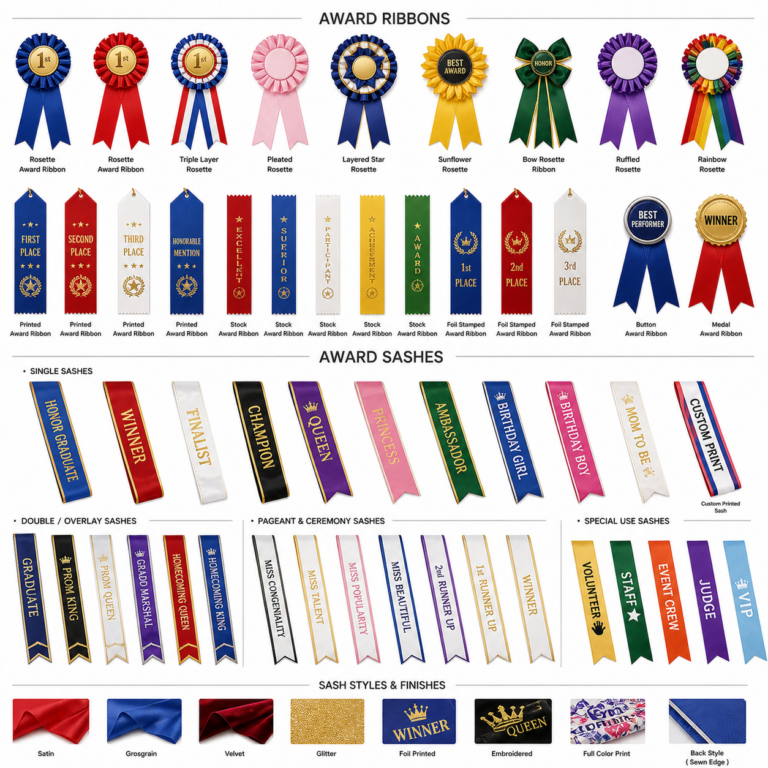 Award Ribbons Wholesale: Bulk award ribbon supplier checks
Shortlist Award Ribbons Wholesale suppliers by factory capability, QC proof, lead time, and reorder reliability. See which options…
Explore guide
Award Ribbons Wholesale: Bulk award ribbon supplier checks
Shortlist Award Ribbons Wholesale suppliers by factory capability, QC proof, lead time, and reorder reliability. See which options…
Explore guide
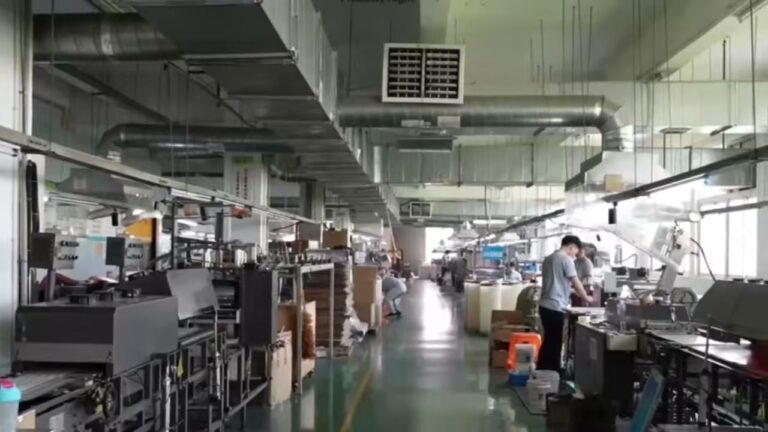 Wholesale Ribbon Manufacturers: Factory vs Trading Company Checklist
Evaluate Wholesale Ribbon Manufacturers options: factory capability, QC proof, lead time, and reorder reliability. Narrow the list before…
Explore guide
Wholesale Ribbon Manufacturers: Factory vs Trading Company Checklist
Evaluate Wholesale Ribbon Manufacturers options: factory capability, QC proof, lead time, and reorder reliability. Narrow the list before…
Explore guide
Leave a comment
Share a sourcing question or feedback on this guide. The Lude team reviews submissions before following up.