


Organic Cotton Ribbon Manufacturer: Material, MOQ, and Certification Checks
Check organic cotton ribbon manufacturer claims, MOQ variables, certification proof, and sample risks before sending cotton ribbon specs to suppliers

A cotton ribbon supplier can look suitable until the buyer asks what is actually being certified, sampled, dyed, packed, and repeated on the next order. For importers and packaging teams, the risk is not only whether the ribbon is cotton; it is whether the factory can support the exact material claim, color target, roll format, and approval record needed for a commercial packaging program.
Expert note: The Lude Ribbon editorial team works with ribbon manufacturing, sampling, printing, quality control, and export service specialists to create practical buying guides for importers, brands, wholesalers, and procurement teams.
Use this guide to turn an organic cotton ribbon manufacturer search into a supplier check: claim boundary, sample proof, MOQ questions, dye-lot control, packing format, and the RFQ details to confirm before bulk production.
What makes an organic cotton ribbon manufacturer quote-ready?
A quote-ready supplier can connect the buyer’s material claim, sample approval, color target, quantity, packing format, and inspection requirement before giving a production price. If any of those points are still open, the buyer risk is a quote that looks fast but causes wrong samples, approval delay, or reorder disputes.
Supplier scorecard before pricing
- Material claim: Ask whether the ribbon is certified organic cotton, organic-content cotton, or natural cotton without an organic claim. Risk if ignored: unsupported wording can create a claim dispute after packaging copy is approved.
- Sample proof: Request a physical sample in the target width, color, hand feel, and roll format. Risk if missing: the bulk ribbon may pass a photo check but fail touch, width, color, or packing approval.
- Factory communication: Check whether the supplier can confirm artwork, color reference, packing method, and inspection checkpoints in writing. Red flag: vague answers make the wrong team responsible when defects or delays appear.
- Reorder control: Ask how the supplier records approved samples, dye lots, and packing specs for repeat orders. Failure mode: the second order can drift even if the first order was accepted.
Buyer questions before RFQ
- Which certification or material document supports the cotton claim, and what buyer risk remains if the document only covers raw cotton rather than finished ribbon?
- Can the sample be matched to our target width, color standard, and roll packing, and what defect would trigger a rejected sample?
- What changes the MOQ: stock color, custom dyed color, custom width, printing, or packing, and which missing input will delay the quote?
- Which approval record will be used for reorder comparison, and who checks the risk if the next dye lot changes?
Commercial route to cotton ribbon
After those checks are clear, review the cotton ribbon products page for material context and then request a quote with the confirmed specs.
Certification and claim checks before you approve the supplier
Do not treat “cotton”, “organic cotton”, and “eco packaging” as the same claim. Each phrase needs a different proof standard, and the supplier should define what is covered before the buyer uses the claim in packaging copy.
Claim boundary map
Ask the supplier to map the claim from yarn to finished ribbon. The useful answer names the material input, production step, dye or finish process, and final ribbon SKU covered by the claim. If the supplier can only show a generic cotton label, use safer wording in your own product copy until the document scope is verified.
Proof requirements list
- Current certificate or material declaration, if an organic claim is required.
- Document scope that names the relevant facility, process, material, or product category.
- Sample approval record showing width, color, hand feel, print method if any, and roll packing.
- Inspection or QC checklist for width consistency, color variation, edge finish, and packing count.
Supplier risk scorecard
A strong supplier does not force the buyer to choose between sustainability language and production control. Score higher when the supplier can explain claim limits, send the right documents, produce a physical sample, and keep the approved sample record for reorder checks. Score lower when the answer depends on verbal assurance or a certificate that does not match the ribbon being quoted.
Use gift and retail packaging ribbon solutions as the next step for this section after the checks above are complete.
RFQ checkpoint
Send the product spec, application, quantity range, and compliance requirements for a quote review.

Documents to request before you compare organic cotton ribbon suppliers
Before comparing price, request documents that make two suppliers comparable. Otherwise one quote may include certification review, sampling, custom dyeing, and packing control while another only prices a generic cotton roll.
Supplier questions that reduce approval risk
- What exact material and claim will appear on the quotation?
- Is the quote for stock cotton ribbon, custom dyed cotton ribbon, printed cotton ribbon, or a special width?
- Which sample will become the approval standard for bulk production?
- How will the supplier mark cartons, rolls, or inner packs for warehouse receiving?
Document scope
Request only documents tied to the order. A useful certificate or declaration should match the material claim, facility or process scope, and production period. If the buyer needs certified organic language, the supplier should confirm whether the finished ribbon is covered or whether only the raw cotton input is documented.
Quote basis
The RFQ should state width, roll length, color target, quantity, packing method, print requirement, target delivery window, and document requirement. Ask the supplier to separate cost drivers instead of hiding them in one unit price: material, dyeing, printing, sample approval, packing, and inspection.
Use OEM and ODM ribbon development as the next step for this section after the checks above are complete.
MOQ, dye lot, and switching risk: stay with current supplier or rebuild?
A supplier change makes sense when the current source cannot support the claim or reorder control. It can be risky when the existing sample, color, packing, and customer approval are already stable and the only issue is a small price difference.
| Option | Best fit | Trade-off | Verification | Next action |
|---|---|---|---|---|
| Stay with current supplier | The approved sample, claim wording, color, and packing format are already accepted. | May limit new colors, lower MOQ options, or stronger documentation. | Ask for updated documents and a reorder sample before the next PO. | Keep the supplier if proof gaps can be closed in writing. |
| Rebuild supplier shortlist | The current supplier cannot support the required claim, sample consistency, or reorder record. | Requires new sampling, color approval, and commercial comparison. | Compare samples under the same color standard and packing requirement. | Request parallel RFQs from qualified factories before switching. |
| Use dual-source approval | The program has seasonal demand or brand-risk sensitivity. | More sample management and tighter documentation needed. | Compare both suppliers against one signed sample and one packing spec. | Approve backup supply only after color and roll-format checks pass. |
Decision matrix for supplier change
Use the matrix to decide whether the buyer is solving a documentation gap, a quality gap, or a commercial gap. Each case needs a different next action.
Timeline risk
Switching suppliers adds sample approval and internal sign-off time. Keep that timing visible in the RFQ instead of assuming a new supplier can match the old schedule immediately.
Next action
Before switching, ask each supplier for the same sample basis, same claim boundary, same packing method, and same inspection evidence. That makes the comparison useful.
Next action: turn the cotton ribbon check into an RFQ
The final RFQ should make the supplier answer the same questions your buyer, brand team, or warehouse will ask later. Keep the request practical and tied to the product page rather than asking for a generic quote.
| Spec | Buyer choice | Factory question | Approval risk | Next action |
|---|---|---|---|---|
| Material claim | Certified organic, organic-content, or natural cotton. | Which document supports this wording? | Unsupported claim in packaging copy. | Attach required document scope to the RFQ. |
| Width and roll format | Target width, roll length, spool, card, or bulk roll. | Can this format be sampled before bulk? | Warehouse or packing-line mismatch. | Request a sample in the final packing format. |
| Color target | Pantone, physical swatch, or approved previous sample. | How will dye-lot variation be checked? | Visible mismatch across reorders. | Approve a sample and keep it as reorder standard. |
| Printing or branding | Plain ribbon, printed logo, or custom label. | Which file and print method will be approved? | Artwork rework or unclear approval owner. | Send final artwork and request pre-production proof. |
| Packing and labels | Carton mark, roll label, barcode, or SKU label. | Can the supplier match the receiving requirement? | Receiving delays or mixed inventory. | Include label files and carton instructions in the RFQ. |
Quote preparation checklist
Prepare material claim, width, roll length, color target, quantity, packing format, document requirement, and sample approval deadline before contacting suppliers.
Cotton ribbon product route
Use the cotton ribbon products page to align the RFQ with the product family, then send custom details through the quote path.
RFQ handoff
Send one file set: product spec, artwork if any, claim requirement, sample request, packing instruction, quantity range, and target delivery timing. Ask the supplier to confirm which points affect MOQ or pricing.
Conclusion
The right organic cotton ribbon manufacturer is the supplier that can document the claim, make the sample match the commercial use, explain MOQ drivers, and preserve the approval record for reorder consistency. Do not approve a supplier on material language alone.
Final buyer check
Before bulk order approval, confirm the claim boundary, physical sample, color standard, width, roll format, packing method, inspection checkpoint, and reorder record. If any point is missing, ask for proof before comparing final price.
Quote-ready next step
Review cotton ribbon products for the commercial product route, then send the RFQ with the specification table from this guide.
Lead-time check: ask the supplier to confirm production lead time after specifications and sample approval are fixed, plus the date when packing and delivery handoff can start.
Organic Cotton Ribbon Manufacturer FAQs
These questions help buyers separate real supplier proof from broad eco packaging language before asking for a quote.
What certification documents should buyers ask an organic cotton ribbon manufacturer for?
Ask for the current certificate, scope page, or material declaration that supports the specific claim you plan to use. Confirm whether it covers the finished ribbon, the cotton input, the facility, or only a wider textile category.
Can a cotton ribbon be called organic automatically?
No. Cotton fiber and organic certification are different checks. If the supplier cannot show the claim boundary, treat the product as cotton ribbon and avoid using organic language in customer-facing copy.
What MOQ information should be confirmed first?
Confirm whether the order is stock color, custom dyed, custom width, printed, or specially packed. Those variables usually affect MOQ and sample timing more than the word cotton itself.
Is cotton ribbon always better for eco packaging?
Not automatically. Cotton may fit natural-feel packaging, but the buyer still needs to check dye, print, finish, packing, and claim documentation. A poorly documented cotton ribbon can create more brand risk than a well-specified alternative material.
When should buyers switch suppliers for cotton ribbon?
Switch when the current supplier cannot document the claim, match the approved sample, or keep reorder consistency. If only price is the concern, first ask the current supplier to separate material, dyeing, printing, and packing cost drivers.
Supplier Scorecard
- Claim boundary confirmed.
- Sample approval standard documented.
- MOQ and cost drivers separated in the RFQ.
- Reorder and inspection evidence requested before bulk approval.
Keep exploring
Recommended buyer guides
 Velvet Ribbon Wholesale Checklist: MOQ, Finish, and Supplier Questions
Evaluate velvet ribbon wholesale options: MOQ, setup fees, unit cost, and packing. Narrow the list before requesting samples…
Explore guide
Velvet Ribbon Wholesale Checklist: MOQ, Finish, and Supplier Questions
Evaluate velvet ribbon wholesale options: MOQ, setup fees, unit cost, and packing. Narrow the list before requesting samples…
Explore guide
 Wholesale Ribbon By The Roll: Roll length and inventory planning
Evaluate Wholesale Ribbon By The Roll options: factory capability, QC proof, lead time, and reorder reliability. Narrow the…
Explore guide
Wholesale Ribbon By The Roll: Roll length and inventory planning
Evaluate Wholesale Ribbon By The Roll options: factory capability, QC proof, lead time, and reorder reliability. Narrow the…
Explore guide
 Award Ribbons Wholesale: Bulk award ribbon supplier checks
Shortlist Award Ribbons Wholesale suppliers by factory capability, QC proof, lead time, and reorder reliability. See which options…
Explore guide
Award Ribbons Wholesale: Bulk award ribbon supplier checks
Shortlist Award Ribbons Wholesale suppliers by factory capability, QC proof, lead time, and reorder reliability. See which options…
Explore guide
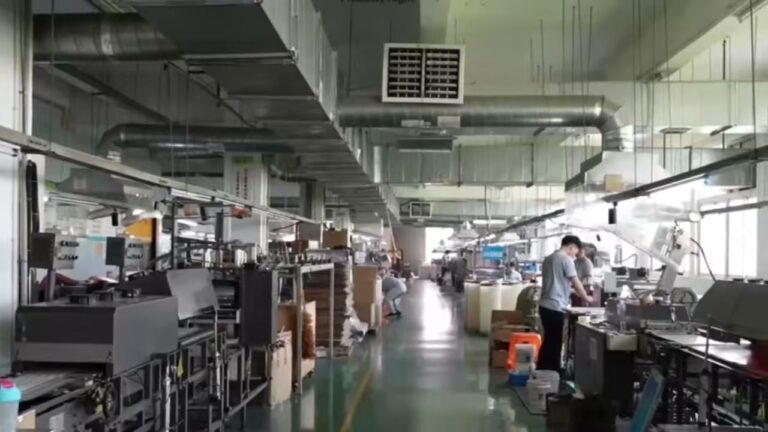 Wholesale Ribbon Manufacturers: Factory vs Trading Company Checklist
Evaluate Wholesale Ribbon Manufacturers options: factory capability, QC proof, lead time, and reorder reliability. Narrow the list before…
Explore guide
Wholesale Ribbon Manufacturers: Factory vs Trading Company Checklist
Evaluate Wholesale Ribbon Manufacturers options: factory capability, QC proof, lead time, and reorder reliability. Narrow the list before…
Explore guide
Leave a comment
Share a sourcing question or feedback on this guide. The Lude team reviews submissions before following up.