


GRS Ribbon Printing: Certification and Quality Verification Guide
Evidence and specification note: Color targets, tolerances, test methods, documentation, acceptance criteria, and remedies must be confirmed for the quoted material and written into the approved sample, specification, and sales agreement. General scenarios in this article are not guaranteed production results. Certification scope note: This is a buyer verification guide. It does not state that…
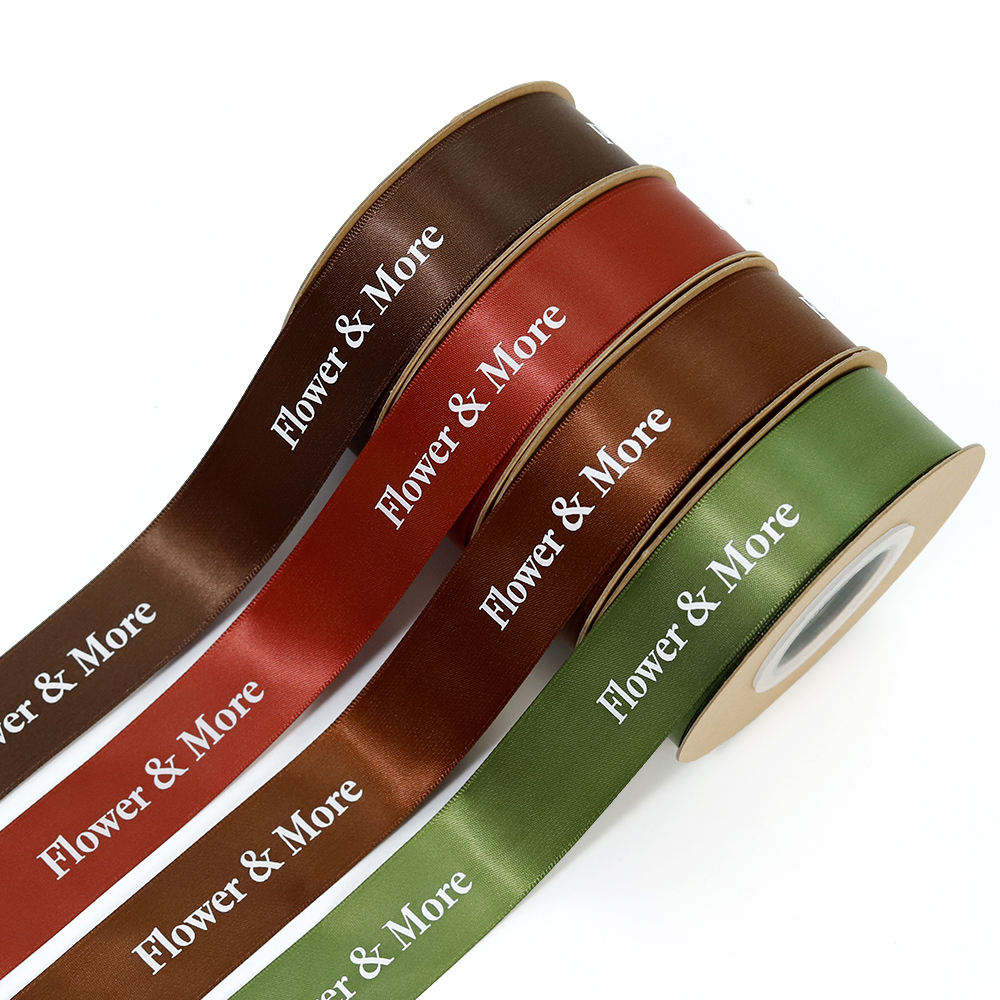
GRS certified ribbon printing is where the sustainability mandate meets the reality of a luxury packaging line. You need the certification for your ESG report, but the procurement team still needs a ribbon that hits Pantone within buyer-approved ΔE tolerance and holds a foil stamp through the unboxing experience. That’s a narrow window, and many suppliers miss it.
The problem isn’t the recycled material itself. It’s that recycled polyester behaves differently under heat and pressure than virgin fiber, and many factories treat it the same. That’s why foil flakes off and colors drift between dye lots. The factories that understand this difference—and adjust their parameters accordingly—are the ones that can deliver a GRS-certified ribbon that actually passes a luxury brand’s quality gate.
Why Most Eco-Ribbons Fail Luxury Brands’ Standards
GRS certification alone does not guarantee buyer-approved ΔE tolerance or rub-resistant foil.
Illustrative procurement risk, not a documented customer case: recycled-content paperwork and an acceptable-looking swatch do not establish colour or foil performance for a bulk order. Confirm both the material claim and the actual print and finishing result through the proposed construction and agreed sample tests.
Recycled-content traceability, harmful-substance testing and print performance are different checks. Do not infer colour absorption, foil adhesion or calibrated test results from OEKO-TEX documents or GRS certification. Verify the proposed material, finishing process, measurement method and physical sample separately.
- Color Failure: Recycled polyester absorbs dye differently than virgin. The same dye formula that hits Pantone 19C on virgin substrate can read Pantone 18C on recycled substrate. Without per-lot spectrophotometer calibration and dye formula adjustment per substrate batch, visible ΔE deviation is not just possible — it is probable. Visual matching under office lighting is not production matching.
- Foil performance depends on the proposed substrate, adhesive system, process settings and conditioning. Confirm the applicable method and test the actual construction; do not assume every recycled polyester has the same melt behaviour or requires the same primer or temperature.
- Require a dated sample or production-lot record that identifies the material, method, conditions, acceptance criteria, result, and approver.
Review the current scope certificate and applicable transaction documentation through the issuer or standard verification route. Separately request colour measurements on the proposed material and a physical sample for the agreed rub and visual checks. Missing evidence is a verification gap, not proof of deception.
Real Cost Breakdown of GRS Ribbon Printing in 2026
Current pricing is quoted after the material, width, decoration, quantity, packing, delivery terms, and destination are confirmed.
Pricing differences among materials, widths, print methods, quantities, and packing must be calculated from dated quotations for the same approved specification.
Pricing differences and savings must be calculated from dated quotations for the same approved specification, quantity, packing, delivery terms, and destination.
- Pricing differences among materials, widths, print methods, quantities, and packing must be calculated from dated quotations for the same approved specification.
- Require a dated sample or production-lot record that identifies the material, method, conditions, acceptance criteria, result, and approver.
Pricing differences among materials, widths, print methods, quantities, and packing must be calculated from dated quotations for the same approved specification.
Virgin vs Recycled Ribbon: Which Printing Method Holds Up?
Foil stamping on recycled ribbon fails more often without primer treatment.
State the buyer-approved method, conditions, repetitions where applicable, acceptance criteria, date, and sample or lot result.
State the buyer-approved method, conditions, repetitions where applicable, acceptance criteria, date, and sample or lot result.
State the buyer-approved method, conditions, repetitions where applicable, acceptance criteria, date, and sample or lot result.
How to Source GRS Certified Ribbons Without Greenwashing Your Brand
A GRS certificate without a traceable lot number is just a PDF.
A current GRS scope certificate identifies the certified entity, sites, products and processes in its scope. It does not by itself establish that every shipment or dye lot carries the claimed recycled content. Review applicable transaction evidence and the proposed order documents separately. Verify the chain-of-custody audit and its scope through the certificate issuer.
- Document review: verify the current GRS scope and any applicable transaction certificate through the standard authentication route, and connect the evidence to the actual ordered goods. Colour, finishing and material-performance checks require their own agreed records; no universal packing-list field is assumed.
- The Delta E Trap on Recycled Substrate:Recycled polyester absorbs dye differently than virgin fiber because the polymer chain length varies across recycled sources. A spectrophotometer reading against the buyer-approved ΔE tolerance is the only objective proof that the Pantone target was hit. Demand the printed report per batch—not a generic “the supplier can match color” claim. If the supplier cannot produce a spectrophotometer trace for the specific lot, the supplier is visually matching.
- State the buyer-approved method, conditions, repetitions where applicable, acceptance criteria, date, and sample or lot result.
Physical sample approval can reduce mismatch and rework risk; use the signed sample, written specification, and dated production records as the control evidence.
What Pantone Matching Means for Recycled Satin Ribbons
Recycled polyester absorbs dye differently than virgin fiber—expect a matte finish.
Do not infer gloss or colour behaviour from recycled content alone. Fibre, weave, finishing and printing can affect appearance. Approve the proposed material and finish under agreed viewing and colour-measurement conditions rather than substituting a different swatch.
- The Fix: Demand a spectrophotometer reading on the exact GRS substrate, not on a virgin swatch. The target is buyer-approved ΔE tolerance. The spectrophotometer measures color difference across the visible spectrum.
- The Adjustment: The supplier should document how its dye formula and measurement conditions are adjusted for the exact recycled substrate and dye lot.
A common failure mode: a buyer approves a color swatch on virgin satin, then the factory produces the recycled ribbon, and the recycled ribbon looks different. The buyer rejectects the shipment. The fix is simple: requesst a physical sample on the exact GRS material before approving bulk. A physical sample on the exact proposed material should be approved before bulk production. Skipping this step causes many post-production disputes in the ribbon industry.
Conclusion
GRS-certified ribbon printing can meet luxury standards—but only when the factory controls the dyeing, the foil parameters, and the certification chain. A mandatory physical sample before bulk is the single most effective safeguard against post-production disputes. That step alone eliminates many of the problems that sink ribbon programs.
Review the custom printed ribbon options. Ask for the current scope certificate and its expiry before you specify recycled content.
Frequently Asked Questions
Are ribbons eco-friendly?
A documented recycled-content claim does not by itself establish a low environmental footprint, biodegradability or luxury-print quality. Organic cotton describes a fibre claim and needs its own evidence. Lude does not currently claim a renewed GRS scope or an organic certification for its cotton ribbon.
How much does 50 yards of ribbon cost?
Current pricing is quoted after the material, width, decoration, quantity, packing, delivery terms, and destination are confirmed. Expect higher per-yard costs for small quantities below standard MOQs.
What are the three types of ribbons?
The three main types are satin, grosgrain, and organza. Satin offers a glossy finish, grosgrain has a ribbed texture, and organza is sheer and lightweight. Choose based on your packaging’s desired look and durability needs.
What is the average cost of a personalized ribbon?
Pricing differences among materials, widths, print methods, quantities, and packing must be calculated from dated quotations for the same approved specification.
Keep exploring
Recommended buyer guides
 Pre-Tied Bows for Retail Packaging: When They Reduce Labor and Rework
See when pre-tied bows reduce retail packaging labor, improve consistency, and simplify bulk packing, SKU planning, and reorders
Explore guide
Pre-Tied Bows for Retail Packaging: When They Reduce Labor and Rework
See when pre-tied bows reduce retail packaging labor, improve consistency, and simplify bulk packing, SKU planning, and reorders
Explore guide
 Velvet Ribbon Wholesale Checklist: MOQ, Finish, and Supplier Questions
Evaluate velvet ribbon wholesale options: MOQ, setup fees, unit cost, and packing. Narrow the list before requesting samples…
Explore guide
Velvet Ribbon Wholesale Checklist: MOQ, Finish, and Supplier Questions
Evaluate velvet ribbon wholesale options: MOQ, setup fees, unit cost, and packing. Narrow the list before requesting samples…
Explore guide
 Wholesale Custom Ribbon with Logo: Specs, Roll Length, and RFQ Checks
Step-by-step: Custom Ribbon With Logo. Check artwork files, print method, color target, and sample approval to avoid delays,…
Explore guide
Wholesale Custom Ribbon with Logo: Specs, Roll Length, and RFQ Checks
Step-by-step: Custom Ribbon With Logo. Check artwork files, print method, color target, and sample approval to avoid delays,…
Explore guide
 Wholesale Ribbon By The Roll: Roll length and inventory planning
Evaluate Wholesale Ribbon By The Roll options: factory capability, QC proof, lead time, and reorder reliability. Narrow the…
Explore guide
Wholesale Ribbon By The Roll: Roll length and inventory planning
Evaluate Wholesale Ribbon By The Roll options: factory capability, QC proof, lead time, and reorder reliability. Narrow the…
Explore guide
Leave a comment
Share a sourcing question or feedback on this guide. The Lude team reviews submissions before following up.