


Grosgrain Ribbon Supplier Audit Checklist: Supplier Proof Checklist
Grosgrain Ribbon Supplier Audit Checklist: what to confirm on factory capability, QC proof, lead time, and reorder reliability before you sample, quote
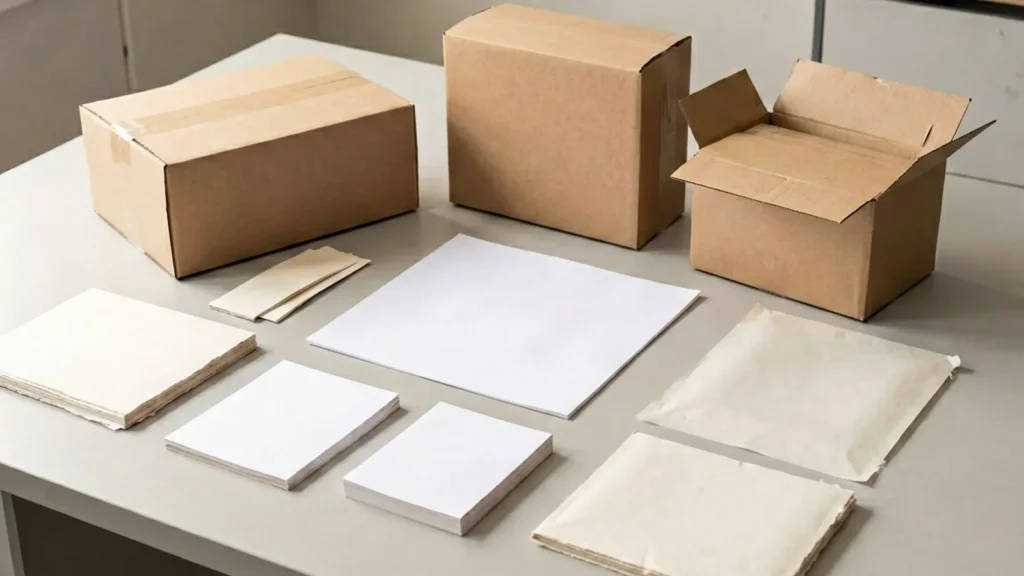
The sourcing record for grosgrain ribbon supplier audit is incomplete until it supports a comparison of suppliers, factory proof, samples, MOQ, lead time, and risk signals.
Grosgrain audits look at rib consistency and edge fray, because both reveal loom condition more reliably than a finished sample does.
Direct answer: For grosgrain ribbon supplier audit, buyers should compare suppliers, factory proof, samples, MOQ, lead time, and risk signals.
Define the Buyer Decision for Grosgrain Ribbon Supplier Audit Checklist
Compare the decision criteria for grosgrain ribbon supplier against one RFQ revision. Each row should identify the requirement, approval evidence, and buyer action before production.
| Requirement | Factory control | Evidence to verify | Order risk | RFQ follow-up |
|---|---|---|---|---|
| Sample approval | Factory retains sealed reference sample and records approval sign-off. | Compare production first-piece against approved sample; use the agreed sampling plan level II. | Deviation from approved sample triggers rework or order rejection. | Request courier sample set and written approval confirmation. |
| MOQ and order quantity | Factory confirms MOQ per material, width, print method, and packing. | Cross-check RFQ line items against factory MOQ schedule and order confirmation. | Under-ordering causes production line change cost; over-ordering ties up working capital. | Ask for RFQ confirmation attach with MOQ breakdown by spec variant. |
| Material / substrate | Incoming polyester or nylon yarn lot is tested for denier and twist consistency. | Request mill test certificate and perform burn test on pre-production sample. | Substituted substrate alters hand feel, dye uptake, and tensile strength. | Approve substrate specification in writing before production release. |
| Width or size tolerance | Factory uses calibrated width gauge at slitting station; tolerance within the buyer-approved tolerance. | Measure 10 random rolls per batch with digital caliper; record min/max deviation. | Width drift causes bow assembly mismatch or packaging fit failure. | Shortlist only suppliers that provide width measurement data per lot. |
| Finish or color control | Dye lot is checked against Pantone reference under buyer-approved viewing conditions; buyer-approved color tolerance. | Request spectrophotometer report and hold first-piece visual approval. | Off-shade finish leads to customer returns or brand color inconsistency. | Document approved color standard and require lab dip sign-off. |
For grosgrain ribbon supplier, use the decision criteria as the decision scope. Read the rows as one approval sequence. Start with sample approval; use the risk and buyer-action columns to decide whether its evidence is sufficient. Verify it with the inspection method and approval evidence recorded in the table.
For this grosgrain ribbon supplier sourcing record, keep the supplier response, marked sample, and approval owner under the same revision number. If any proof conflicts with the approved record, hold the quote, sample, or production release until the supplier explains the deviation in writing. Before closing the checkpoint, reconcile the latest drawing, sample, quotation, and approval comments, identify which record controls if they disagree, and document the resolution. Carry the signed the decision criteria table into the purchase order and production handoff so the same checks support quote comparison, sample approval, shipment release, and later reorders.
Questions to confirm before ordering:
- What are the exact width, weave density, and color fastness requirements for the grosgrain ribbon? Width and weave density affect the ribbon's stiffness and bow-holding ability; color fastness determines dye bleed risk during handling or light exposure. Supplier provides written spec sheet with tolerance range and test method for each parameter. Accepting verbal specs may lead to ribbon that fails to hold shape or bleeds color in finished goods. Request a spec confirmation document and retain it as the baseline for first-article inspection.
- How does the supplier verify color consistency across dye lots for grosgrain ribbon? Color variation between production runs can cause visible mismatch in assembled products, especially for bows or trim used side by side. Supplier uses a spectrophotometer and maintains a buyer-approved delta-E tolerance with documented lot-to-lot records. Without a formal color control process, you may receive ribbons that appear mismatched under retail lighting. Ask for the last three lot-to-lot color measurement reports and confirm the tolerance matches your spec.
- What sampling procedure does the supplier follow before bulk production of grosgrain ribbon? A defined sampling process confirms that the ribbon meets width, weave, color, and finish standards before committing to full production. Supplier provides a pre-production sample with a signed approval sheet that includes measurement and visual check results. Skipping a formal sample approval step can lead to bulk ribbon that fails your quality check, causing rework or order rejection. Require a pre-production sample for every new spec and retain the signed approval sheet as a quality gate.
- How does the supplier handle reorder consistency for grosgrain ribbon specifications? Reorders must match the original approved sample in width, weave, color, and finish to avoid assembly line stops or customer complaints. Supplier keeps archived spec records and a retained sample from the original order for comparison on every reorder. Without archived specs, a reorder may differ from the first run, causing product inconsistency and potential returns. Confirm the supplier's reorder verification process and request a comparison sample before the next bulk run.
- What is the supplier's process for handling non-conforming grosgrain ribbon during production? A clear non-conformance procedure ensures defective ribbon is identified and quarantined before shipment, reducing your inspection burden. Supplier has a documented hold-and-review process with a quality log and corrective action timeline for each defect type. Without a non-conformance process, defective ribbon may ship mixed with good stock, leading to costly sorting or product failure. Request a copy of the supplier's non-conformance procedure and review the last three corrective action records.
Confirm Product and Order Scope
| Option | Best fit | Trade-off | Risk to avoid | Verification | Follow-up |
|---|---|---|---|---|---|
| Standard production spec (current specification) | Repeat orders where the approved sample and production record match the existing spec sheet exactly. | No flexibility for design changes; locked into previous material, width, and finish. | Deviation from the approved spec may go unnoticed until bulk inspection, causing rejection. | Compare the spec sheet against the production order and sample tag; check width tolerance and edge finish. | Request a pre-production sample from the same dye lot and confirm it matches the archived reference. |
| Alternative material or width (alternative specification) | When the current spec is out of stock, or a lower cost or different hand feel is required. | May require new sample approval, new artwork setup, and possible minimum quantity adjustments. | The alternative material may shrink, fade, or behave differently in the bow-making process. | Order a strike-off sample; test wash fastness, color match, and ribbon stiffness in your own production. | Send the alternative spec to the supplier's sample room and request a physical sample with a written tolerance report. |
| Stock or standard-grade fallback (safer fallback) | Quick fill-in orders, emergency replenishment, or when the buyer cannot wait for a custom run. | Limited color and width options; may not meet the brand's exact aesthetic or quality standard. | Standard-grade ribbon may have visible weaving defects or inconsistent dye lots that affect final presentation. | Inspect the stock roll's edge finish and color consistency under daylight; ask for a continuous length sample. | Maintain a back-up stock spec in your approved supplier list and reorder from the same dye lot whenever possible. |
For standard production spec (current specification), a poor decision can mean deviation from the approved spec may go unnoticed until bulk inspection, causing rejection. Ask the supplier to compare the spec sheet against the production order and sample tag; check width tolerance and edge finish, then request a pre-production sample from the same dye lot and confirm it matches the archived reference.
For the standard production spec (current specification) checkpoint, keep the supplier response, marked sample, approved specification, quotation, and approval owner under the same revision number. If the evidence conflicts with the approved record, hold the quote, sample, or production release until the deviation is explained in writing. Carry the signed decision record into the purchase order, production handoff, shipment release, and later reorder review so every team works from the same baseline.
Material and specification fit
For OEM and ODM ribbon development, buyers must confirm the exact material composition, weave density, and edge finish before sample approval. A mismatch between the spec sheet and the delivered ribbon can halt production. Always request a physical sample and measure width tolerance under a calibrated ruler. Verify the dye method (solution-dyed vs. piece-dyed) to ensure color consistency across batches.
MOQ, cost structure, and lead time
MOQ is tied to material, print method, width, packing, and order schedule. Standard production runs 15–20 business days after specifications are confirmed, but custom programs require additional artwork review and sample approval. Cost per yard decreases with volume, but buyers should confirm the breakpoint for each width and finish. Include shipping time and potential customs delays in your planning.
Supplier reliability and quality checks
Review the supplier's amfori BSCI rating and FSC chain-of-custody certificate if applicable. Request a pre-shipment inspection report that includes defect count, roll weight, and color variance. Ask whether the factory runs inline QC during weaving or only after slitting. A reliable supplier will share their visual inspection standard for edge fuzziness and dye spots. Document the agreed tolerance in the RFQ.

Build the Verification Checklist
At this process checkpoint, the buyer must have a confirmed specification document that details custom printed ribbon width, material composition, color fastness requirement, and weave density. Before issuing an quote request or requesting a sample, verify each supplier’s written confirmation against your requirements using the following ordered checklist.
- Specification Confirmation – Does the supplier confirm the exact ribbon width, material type (e.g., polyester, nylon), and weave density in writing? Cross-check against your specification document.
- Cost and MOQ Breakdown – Request a line-item cost breakdown including unit price, tooling or setup fees, and minimum order quantity. Confirm these match your budget and volume needs.
- Production Risk Assessment – Ask the supplier to identify potential production risks (e.g., color variation, shrinkage) and their mitigation plan. Document their response.
- Factory Execution Capability – Verify the supplier’s quality control process: Do they perform in-line inspection? What testing equipment do they use for color fastness and dimensional stability?
- quote request and Sample Handoff – Ensure the quote request includes all specification details and that the supplier agrees to produce a sample matching those specs before bulk production. Confirm sample turnaround time and approval process.
Use the table below to record each supplier’s responses and flag any gaps before proceeding to sample evaluation.
| Checklist Item | Supplier Response | Gap / Action Required |
|---|---|---|
| Specification Confirmation | ||
| Cost and MOQ Breakdown | ||
| Production Risk Assessment | ||
| Factory Execution Capability | ||
| RFQ and Sample Handoff |
Complete this checklist for each supplier before moving to sample evaluation. The output must be a verified supplier response document that confirms alignment with your specification and commercial terms.
Compare Quote and Production Assumptions
For grosgrain ribbon supplier, treat the listed items as quote request inputs. Match each buyer input to written supplier confirmation, approval evidence, and the risk that would hold the quote.
- Specification details for width, material, and print method: A mismatch between the quote and the production spec causes rework, material waste, and shipment delays. A buyer requested one grosgrain ribbon width but the quote listed another; the supplier assumed a narrower width from a prior order. Bulk production runs on wrong specs, leading to rejected goods and a full reorder cycle. Attach the confirmed specification document to the quote request and request the supplier to sign off on each dimension.
- minimum order or order quantity per SKU: minimum order directly affects unit cost, production scheduling, and whether the order is profitable for the supplier. A custom printed ribbon program requires a higher minimum order than plain dyed ribbon due to plate setup and ink minimums. The supplier may split the order or charge a short-run premium, inflating the total cost unexpectedly. Confirm minimum order by material, print method, and packing format before the quote is finalized.
- Lead time from spec approval to shipment: Lead time determines inventory planning, gift and retail packaging ribbon solutions launch dates, and whether expedited freight is needed. A buyer needed ribbon for a holiday promotion but the quote assumed standard lead time; artwork approval took two extra weeks. Missed shelf dates or air freight costs that erase margin on the entire order. Request a written lead time breakdown that includes artwork review, sample approval, and production days.
- Cost driver breakdown: material, setup, and finishing: Understanding which cost driver is highest helps the buyer negotiate or adjust specs to stay within budget. A custom color match added a dye-lot surcharge that was not itemized in the initial quote. Hidden surcharges appear on the final invoice, causing budget overruns and supplier disputes. Ask the supplier to list each cost driver separately and confirm which variables are negotiable at volume.
- Quality control checkpoints during production: Predefined QC gates ensure the bulk run matches the approved sample before shipment. A supplier agreed to an in-process width check but did not perform it; some rolls were under tolerance. Defective goods arrive at the warehouse, requiring rework or return at the buyer's cost. Document the QC checkpoints in the purchase order and request photos or reports at each gate.
Run the Review Before Approval
At the process checkpoint, the buyer must have a confirmed specification document that details Lude Ribbon factory width, material composition, color fastness requirements, and packaging format. This document serves as the single source of truth for the audit review.
Questions to send back to the supplier
- What is your minimum order quantity (minimum order) per width and color, and do you offer tiered pricing for volumes above minimum order?
- Can you provide a detailed cost breakdown including material, dyeing, slitting, and packaging costs?
- What is your standard production lead time for a first order, and what is your capacity for rush orders?
- How do you ensure color consistency across dye lots, and what is your tolerance for shade variation?
- What quality control checks do you perform during production (e.g., width tolerance, edge finish, tensile strength)?
- How do you handle defects or non-conforming goods—do you offer replacement or credit?
When to revise, escalate, or reject
Use the following decision matrix as an approval sequence, not a checklist. Each row identifies the required supplier confirmation and the action if that confirmation is missing or unsatisfactory.
| Requirement | Supplier Confirmation Needed | Action if Missing/Unsatisfactory |
|---|---|---|
| Specification match | Written confirmation that ribbon width, material, and color match the RFQ | Revise spec document and request updated quote |
| Cost and MOQ alignment | Pricing and MOQ within buyer’s budget and order plan | Escalate to negotiate or reject if non-negotiable |
| Production risk assessment | Supplier provides process flow and QC checkpoints | Reject if no QC documentation or unclear process |
| Sample handoff readiness | Supplier agrees to send pre-production sample before bulk run | Revise timeline or reject if sample not feasible |
After the review, the buyer must have a signed-off specification, agreed cost and minimum order, and a confirmed sample delivery date before moving to the next stage. If any of these are missing, do not approve the supplier.
Move from Review to RFQ or Sample
Before issuing an quote request or requesting a sample, confirm that the supplier has provided a verified measurement record for ribbon width within the buyer-approved tolerance of your specification. This record—along with the confirmed quantity and a color fastness test at the buyer-approved test temperature—makes the decision verifiable.
Inputs to include in the next message
- Specification document with buyer-confirmed ribbon width, material composition, and weave density.
- Supplier’s written confirmation of cost per yard and minimum order in yards.
- Production risk assessment: supplier’s defect rate history and lead time variability.
- Factory execution evidence: recent audit report or third-party inspection certificate.
- quote request or sample request with clear acceptance criteria for color fastness and dimensional tolerance.
Ownership and sign-off for the next gate
The sourcing manager owns the quote request or sample request. Quality assurance signs off after verifying the supplier’s measurement record and test results. The buyer provides final approval based on cost and minimum order alignment.
| Decision Asset | Requirement | Verification Method |
|---|---|---|
| Width tolerance | the buyer-approved tolerance | Supplier measurement record |
| Quantity | the quoted quantity | Supplier confirmation |
| Color fastness | Result at the buyer-approved test temperature | Test report |
After sign-off, send the quote request or sample request with all confirmed inputs. Track supplier response within the agreed lead time to maintain project momentum.
Source check: ISO 2859-1 sampling inspection standard; Supplier Selection:; Supplier Risk Assessment Checklist: Key Areas to Review – Legal….
In conclusion
The sourcing choice comes down to how thoroughly you compare each supplier’s written spec confirmation, cost breakdown, and minimum order against your own documented requirements. Verify that the ribbon width, weave density, and color fastness are explicitly stated in the quote request response, and that the supplier can provide a reference sample matching those parameters before any production commitment. Document every approval gate—spec sign-off, cost agreement, and sample approval—so you can shortlist only those factories that prove they can deliver consistent quality at the agreed lead time. This audit checklist is designed to help you validate the spec, approve a sample, and confidently request a quote from a supplier who has already passed your process checkpoints.
To request a quote for grosgrain ribbon supplier, use grosgrain ribbon to confirm the final specification, quote assumptions, sample approval, QC evidence, approval risk, and supplier follow-up before bulk order.
Grosgrain Ribbon Supplier Audit Checklist FAQ
What should buyers confirm first?
It depends on the specification document. Confirm the ribbon width, weave density, color fastness requirement, and material composition (polyester, nylon, or blended) before any cost discussion. Compare these parameters against your quote request to ensure the supplier can match the exact construction, then verify the minimum order and lead time for that specific spec. Ask how QC will check the sample, color, finish, packing, and bulk order. Approving the wrong structure or supplier proof can create quality, cost, or delivery problems.
Which proof should be retained for approval and reorders?
Retain a signed specification sheet, the supplier’s written cost confirmation, and a pre-production sample that has passed your QC check for color, width tolerance, and edge finish. This proof set becomes the baseline for reorder approval—any deviation in weave or dye lot should trigger a new sample review before the next order ships.
Which warning signs should stop the order?
Stop the order if the supplier cannot provide a reference sample that matches your approved spec, if they refuse to document the material source or dye process, or if the quoted lead time exceeds your schedule without a written explanation. Also halt if the cost changes after sample approval without a clear reason—this signals production risk that could affect consistency on repeat orders.
quote request handoff: Send Specs for Review.
Keep exploring
Recommended buyer guides
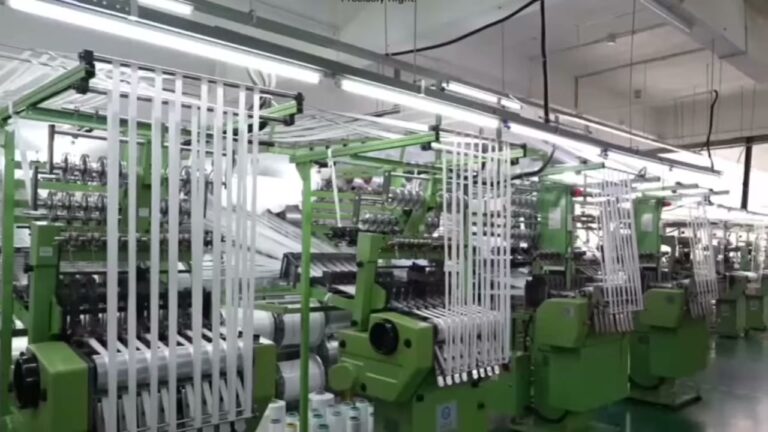 Velvet Ribbon Wholesale Checklist: MOQ, Finish, and Supplier Questions
Evaluate velvet ribbon wholesale options: MOQ, setup fees, unit cost, and packing. Narrow the list before requesting samples…
Explore guide
Velvet Ribbon Wholesale Checklist: MOQ, Finish, and Supplier Questions
Evaluate velvet ribbon wholesale options: MOQ, setup fees, unit cost, and packing. Narrow the list before requesting samples…
Explore guide
 Wholesale Ribbon By The Roll: Roll length and inventory planning
Evaluate Wholesale Ribbon By The Roll options: factory capability, QC proof, lead time, and reorder reliability. Narrow the…
Explore guide
Wholesale Ribbon By The Roll: Roll length and inventory planning
Evaluate Wholesale Ribbon By The Roll options: factory capability, QC proof, lead time, and reorder reliability. Narrow the…
Explore guide
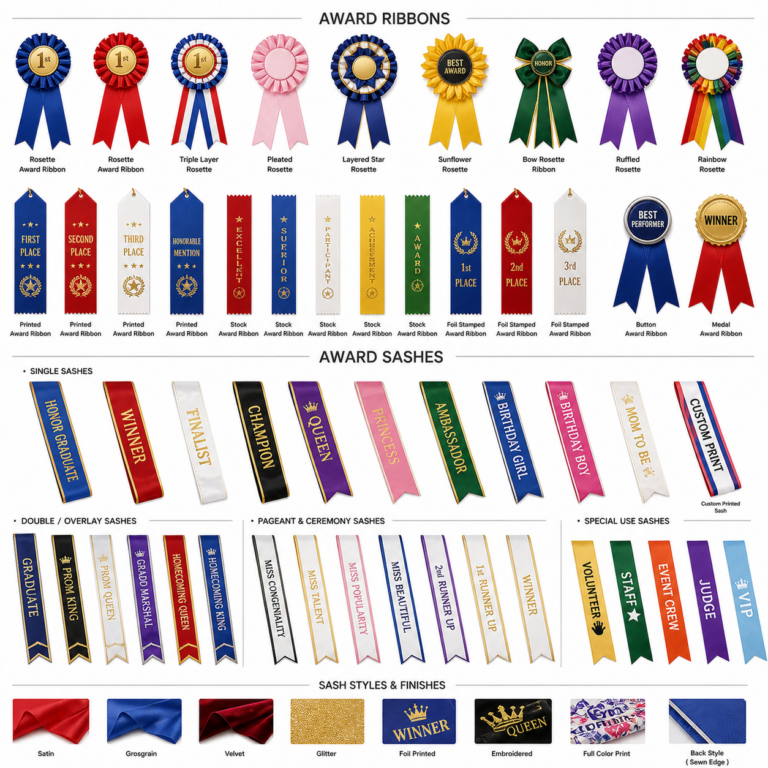 Award Ribbons Wholesale: Bulk award ribbon supplier checks
Shortlist Award Ribbons Wholesale suppliers by factory capability, QC proof, lead time, and reorder reliability. See which options…
Explore guide
Award Ribbons Wholesale: Bulk award ribbon supplier checks
Shortlist Award Ribbons Wholesale suppliers by factory capability, QC proof, lead time, and reorder reliability. See which options…
Explore guide
 Wholesale Ribbon Manufacturers: Factory vs Trading Company Checklist
Evaluate Wholesale Ribbon Manufacturers options: factory capability, QC proof, lead time, and reorder reliability. Narrow the list before…
Explore guide
Wholesale Ribbon Manufacturers: Factory vs Trading Company Checklist
Evaluate Wholesale Ribbon Manufacturers options: factory capability, QC proof, lead time, and reorder reliability. Narrow the list before…
Explore guide
Leave a comment
Share a sourcing question or feedback on this guide. The Lude team reviews submissions before following up.