


Gift Bows Wholesale: Retail gift bow supplier checks
Evaluate Gift Bows Wholesale options: factory capability, QC proof, lead time, and reorder reliability. Narrow the list before requesting samples or quotes

Gift bows wholesale needs a written specification before the buyer can shortlist Wholesale Gift Bows suppliers using proof, capability, quality, MOQ, and delivery criteria; otherwise suppliers may quote different product and approval assumptions.
This guide connects gift bows wholesale to parameters, cost impact, supplier risk, factory process, and procurement advice.
Direct answer: For gift bows wholesale, compare matched samples, documented production capability, quality records, quantity rules, and delivery assumptions on the same basis.
What buyers should compare when sourcing gift bows
- Supplier capability: Verify the factory runs dedicated bow-making equipment, not just ribbon cutting and hand-tying. Supplier provides a process flow from ribbon slitting to bow forming with machine photos. Supplier cannot show a bow-specific assembly line or relies on subcontracted hand assembly. Request a short video walkthrough of the bow production floor before sample approval.
- MOQ or order quantity: Confirm the minimum piece count per bow style, color, and any multi-color assortment rules. Supplier publishes a clear MOQ table per bow type and offers tiered pricing for volume breaks. Supplier quotes a single minimum order for all bows without distinguishing pre-tied vs. pull-bow construction. Send your bow spec sheet and ask for a written minimum order breakdown by style and color.
- Quality control: Ask how the supplier checks bow symmetry, tail length, glue bond, and ribbon tension before packing. Supplier uses a pass/fail gauge for bow dimensions and a pull test on each batch. Supplier relies only on visual inspection without documented tolerance limits. Request the QC checklist and a photo of the gauge used for bow measurement.
- Verification method: Require a pre-production sample matched against your approved artwork and bow construction spec. Supplier sends a sealed sample with a signed approval sheet before bulk production starts. Supplier offers only a digital mockup and ships bulk without a physical sample sign-off. Insist on a physical pre-production sample and a written approval gate before production.
- Change control: Assess how the supplier handles artwork, color match, and bow shape changes after sample sign-off. Supplier has a formal change-order process with lead-time and cost impact documented. Supplier accepts verbal changes and does not re-issue a revised approval sheet. Confirm in writing that any post-approval change triggers a new sample and written re-approval.
Factory capability evidence to request
Ask the supplier for a list of bow-making machines and their weekly output. A factory that owns dedicated bow-tying equipment can control consistency better than one that subcontracts assembly. Request a short video of the production floor to verify the setup matches what they claim.
MOQ, sampling, lead-time, and reorder terms to compare
Bow minimum order often varies by style, color, and whether the bow is pre-tied or pull-bow. Request a written breakdown per bow type and ask about multi-color assortment rules. Sampling lead time and reorder terms should be stated in the quote so you can plan seasonal inventory without last-minute surprises.
Compare the supplier record with ASTM textile standards before accepting the requirement.
Product and specification checks before shortlisting
- Does the supplier have in-house printing, bow-making, packing, and inspection capability? Integrated production reduces lead time and quality variability. Separating these steps across subcontractors increases risk of misalignment and delays. Supplier confirms dedicated bow-making machines, on-site printing for logo or custom patterns, packing lines for bulk or retail-ready packaging, and a QC bench for tension and symmetry checks. Relying on a supplier that outsources bow assembly or printing can result in inconsistent bow shape, color drift, or packaging errors. Ask for a facility tour or video walkthrough showing the bow-making, printing, and inspection stations.
- How does the supplier verify bow symmetry, ribbon tension, and adhesive strength before shipment? Pre-tied bows must hold shape during transit and unboxing. Loose loops, uneven tails, or weak adhesive cause returns and damage brand perception. Supplier describes a documented QC check: each bow is measured for loop diameter, tail length, and adhesive peel strength, with a pass/fail threshold recorded per batch. Without a defined QC step, you may receive bows that flatten, untie, or shed ribbon fibers in the package. Request a copy of the bow inspection checklist and a sample of the batch rejection log.
- What is the supplier's process for matching custom bow colors to your brand palette? Color consistency across ribbon and bow production is critical for branded packaging. A mismatch between approved color and bulk run can delay launch or require rework. Supplier uses spectrophotometer readings and maintains a color standard library for each Pantone reference, with a buyer-approved color tolerance on production runs. Accepting visual-only color matching may lead to batch-to-batch variation that is visible under retail lighting. Submit your brand color targets and request a dye-lot approval sample before bulk production.
Material, width, color, finish, and customization range
Start by comparing the ribbon substrates each supplier stocks—satin, grosgrain, organza, or velvet—and the width range they can produce. A wider selection lets you match bow style to product category without switching vendors. Confirm whether the supplier offers custom Pantone dyeing and what finish options (matte, gloss, metallic) are available for pre-tied bows. Narrow options early to avoid re-sampling later.
Printing, bow-making, packing, and inspection capability
Verify whether the supplier performs printing, bow-making, packing, and inspection in one facility. In-house control reduces handoff errors and shortens lead time. Ask about their printing methods: hot stamp for foil logos, silk screen for solid colors, or digital for gradients. For bow-making, confirm they use automated machines that produce consistent loop sizes. Packing options should match your retail or bulk needs. Finally, request their inspection protocol: visual checks, sample retention, and a first-article hold before the full run.
Compare the supplier record with Gift Bows Wholesale | Pull Bows before accepting the requirement.
RFQ checkpoint

MOQ, cost, sample, and lead-time questions
| Criteria | Baseline option | Confirmed option | Buyer meaning | Risk to avoid | Follow-up |
|---|---|---|---|---|---|
| Specification lock-in | Standard stock ribbon and bow dimensions | Custom Pantone-dyed satin or jacquard-woven logo bows | Stock specs are fixed; custom specs require a separate RFQ and sample approval gate. | Approving a custom color or weave without a signed spec sheet can cause re-spooling delays. | Verify that the supplier holds a physical or digital spec sheet before bulk production. |
| Cost driver per unit | Pre-tied bows from stock ribbon products | Custom-printed or custom-dyed bows with artwork setup | Stock bows cost less per piece because no setup or color matching is needed. | A low unit price on custom bows may hide artwork or color-matching surcharges. | Request a line-item quote that separates setup, material, and bow-making labor. |
| MOQ or order quantity | 1,000 pieces per style/color for ready-made bows | 3,000 yards per design for custom printed ribbon bows | Stock bow MOQ is lower; custom printed bows require a larger commitment per design. | Ordering below MOQ triggers a re-quote or forces a stock alternative that may not match the packaging. | Confirm the MOQ in writing per style, color, and construction before issuing the PO. |
| Lead time | 15–20 business days after spec and sample approval for stock bows | Longer lead time for custom color or jacquard bows; rush at surcharge, subject to capacity | Stock bows ship faster; custom bows add artwork review, sample approval, and production time. | A tight launch date may force a rush surcharge or a stock substitution that changes the bow appearance. | Map the approval gate calendar—artwork, sample, bulk—against your ship-window to avoid delay. |
For specification lock-in, a poor decision can mean approving a custom color or weave without a signed spec sheet can cause re-spooling delays. Request written proof and compare it with the approved sample or specification. Use the result to decide whether this checkpoint can proceed or must stay on hold.
Preserve the specification lock-in decision under one revision number: keep the supplier response, marked sample, approved specification, quotation, and approval owner together. If the evidence conflicts with the approved record, hold the quote, sample, or production release until the deviation is explained in writing. Once the buyer and designated technical authority have accepted the evidence, carry the signed approval record into the purchase order, production handoff, shipment release, and later reorder review so every team works from the same baseline.
How to compare quote assumptions across suppliers
When comparing quotes for gift bows wholesale, check that each supplier lists the same specification scope—stock ribbon products versus custom colors or prints. A low quote may assume a stock bow while your program needs a custom Pantone match. Request a line-item breakdown that separates material, setup, and bow-making labor so you can compare apples to apples.
When low unit price creates quality or delay risk
A low unit price on custom bows often means the supplier skipped the first-article approval or used a lower-grade ribbon substrate. Without a signed color standard and print registration check, you risk off-color bows that fail retail packaging inspection. Always document the approval threshold—buyer-approved color tolerance and print registration—before the bulk run to avoid rework and missed ship dates.
Quality and communication red flags
- Supplier cannot show a bow-making line separate from ribbon slitting: Bows require forming, gluing, and curing; a combined line often skips curing time, causing bows to unravel in transit. Ask for a process flow diagram that isolates bow assembly from ribbon cutting. Video walkthrough of the bow-forming station with a current order in progress. Document the process flow in the RFQ response and approve only after review.
- No first-article sample offered before bulk bow production: Without a pre-production sample, bow shape, glue bond, and ribbon tension cannot be verified, risking a full batch rejection. Require a signed first-article approval step in the production timeline. A dated sample approval form with photos of the bow from three angles. Shortlist only suppliers that include first-article samples in their quote.
- Color-matching method is unspecified or relies on a monitor photo: Ribbon dye lots vary; a photo cannot show the actual bow color under retail lighting, leading to returns. Request a physical color standard (Pantone chip or ribbon swatch) be used for production. A signed color-standard card that both parties hold for the order. Check the color standard against the first-article sample before approving bulk run.
- Packing specification is missing from the quote or is a single line item: Bows packed without inner trays or tissue can crush, and missing label details delay customs clearance. Ask for a packing plan that includes inner packaging, carton dimensions, and label artwork. A packing diagram with layer counts and a sample label PDF. Approve the packing plan in writing before production starts.
Artwork, color, and sample approval gaps
When a supplier does not require signed artwork approval before bow production, color shifts and logo misprints become your cost to fix. Insist on a physical color standard and a pre-production sample that matches it. OEM and ODM ribbon development depends on this gate; skipping it risks a full container of off-spec bows.
Packing, labeling, and repeat-order control risks
A quote that lists only "standard export packing" hides whether bows will arrive crushed or labels will match your retail requirements. Request a packing diagram and a sample label before production. Without a repeat-order spec file, the next batch may differ in bow size or glue strength, forcing re-approval.
How to move from shortlist to RFQ
For gift bows wholesale, build the quote request around the inputs below. Match every listed buyer input to written supplier confirmation, approval evidence, and the risk that would hold the quote.
- Minimum order quantity per style and colour. minimum order determines whether the program fits your budget and whether leftover inventory becomes dead stock. For ready-made gift bows, confirm minimum order per style/colour in pieces, not a blanket total across all variants. The supplier quotes a low unit price but requires a total volume that exceeds your sell-through forecast. State your target quantity per SKU and ask the supplier to confirm minimum order per style/colour in writing.
- Production lead time and shipping window. Lead time directly affects your launch date, seasonal availability, and warehousing cost. Ask for calendar days from spec approval to ex-works, then add ocean or air transit separately. You commit to a retail promotion date but the bows arrive after the season ends. Request a production schedule with milestones: artwork approval, sample sign-off, bulk start, and estimated ready date.
- Cost driver breakdown: material, labour, tooling, and packing. Knowing what drives the unit price lets you negotiate trade-offs without sacrificing quality. Ask whether the bow price includes wire insertion, loop count, or custom colour dyeing as separate line items. A low headline price hides charges for artwork, moulds, or special packing that inflate the final invoice. Request a cost breakdown by component and compare it across shortlisted suppliers before awarding the order.
- Quality control checkpoint: first-article sample and in-line inspection. A sample that matches the spec prevents a full batch rejection after production is complete. Require a signed first-article approval before bulk production and a mid-run inspection report. You approve a quote without a sample, then receive bows with loose loops, wrong colour, or broken wire. Write sample approval into the quote request terms and confirm the supplier's inspection points (incoming material, in-process, final random check).
Quote-ready inputs to send
Before requesting a quote for gift bows wholesale, gather the exact bow style, material, color target, wire-edge requirement, and size per SKU. Include approved artwork or a color reference. This prevents the supplier from quoting a substitute material or size that would require rework and delay production after sample approval.
Sample checks before deposit or approval
When the sample arrives, verify it against the spec sheet: measure bow width, check wire-edge presence, confirm color match under daylight, and inspect for loose tails or uneven loops. Reject any sample that deviates from the approved artwork or material grade. Sign off only after all dimensions and construction match the quote request inputs.
In conclusion
For gift bows wholesale, the next procurement action is a written quote request and sample approval record, not only a preferred style or unit price. Confirm the specification, minimum order assumption, artwork version, supplier capability, sample approval method, QC checkpoint, approval risk, and quote follow-up before bulk production.
For gift bows wholesale, record each change to material, construction, branding, finish, packing, or supplier evidence in the quote request revision; then obtain a matching sample approval before production release.
Gift bows FAQ
What should buyers confirm before ordering Gift Bows?
The buyer should first confirm the exact bow style, material (satin, grosgrain, or velvet), wire-edge or non-wire construction, color target (Pantone or stock), and the required loop count or bow diameter. These specification details directly affect cost and minimum order per style, so the buyer should document them in the quote request and request a physical sample to verify color and shape before committing to bulk production.
How should buyers compare MOQ, lead time, and quote terms?
Compare minimum order per style and color, not just total quantity, because a supplier may quote a low unit price but require a high minimum order per design that exceeds the buyer’s budget. Lead time should be confirmed in business days after specification and sample approval, and the buyer should ask whether the quote includes artwork review, sample production, and shipping. For ready-made gift bows, the minimum order is typically per style and color, so the buyer should verify that figure in the quote request and request a lead time that accounts for sample approval.
What sample, quality, or supplier checks reduce risk?
Request a pre-production sample and verify it against the spec sheet: measure bow width, loop count, wire placement, and color accuracy under daylight. A supplier that skips signed artwork approval or ships without a sample approval step increases the risk of mismatch and rework. The buyer should also check that the quote lists packing details (polybag, inner box, master carton) to avoid damage during transit, and document any color tolerance or QC criteria in the sample approval form.
Next step: Send Specs for Review.
Keep exploring
Recommended buyer guides
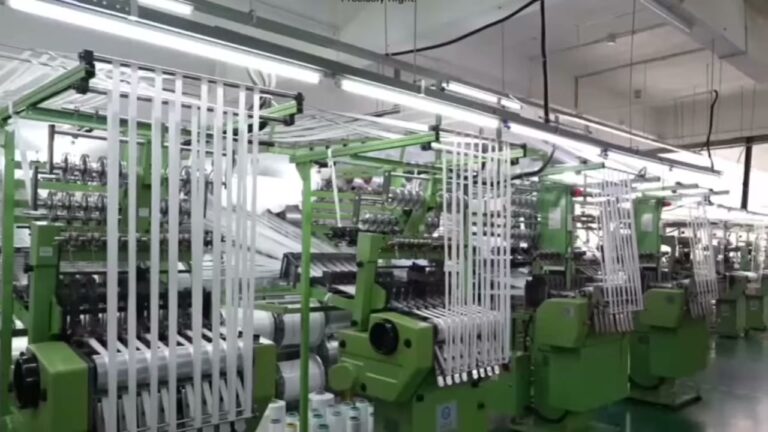 Velvet Ribbon Wholesale Checklist: MOQ, Finish, and Supplier Questions
Evaluate velvet ribbon wholesale options: MOQ, setup fees, unit cost, and packing. Narrow the list before requesting samples…
Explore guide
Velvet Ribbon Wholesale Checklist: MOQ, Finish, and Supplier Questions
Evaluate velvet ribbon wholesale options: MOQ, setup fees, unit cost, and packing. Narrow the list before requesting samples…
Explore guide
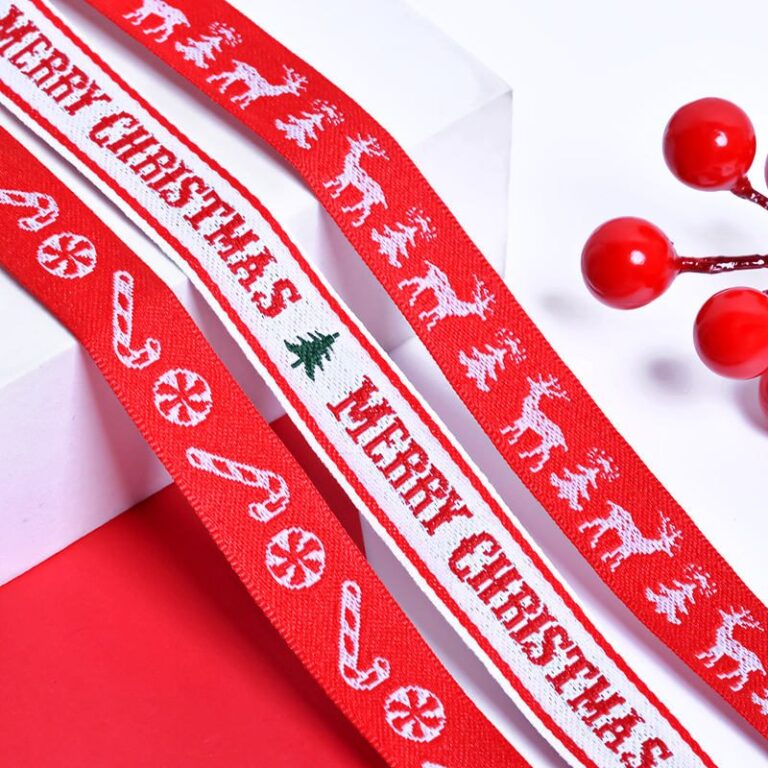 Wholesale Ribbon By The Roll: Roll length and inventory planning
Evaluate Wholesale Ribbon By The Roll options: factory capability, QC proof, lead time, and reorder reliability. Narrow the…
Explore guide
Wholesale Ribbon By The Roll: Roll length and inventory planning
Evaluate Wholesale Ribbon By The Roll options: factory capability, QC proof, lead time, and reorder reliability. Narrow the…
Explore guide
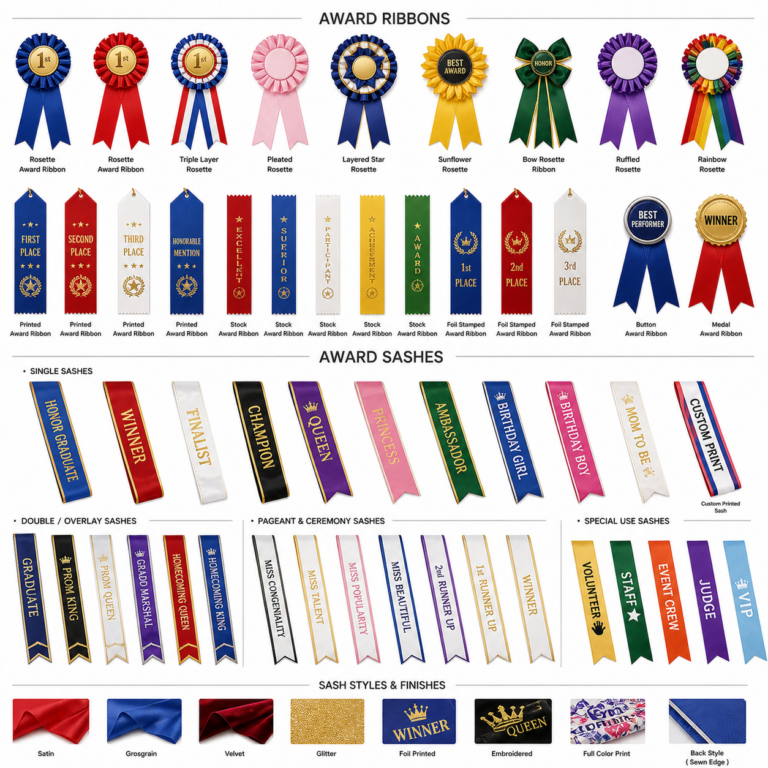 Award Ribbons Wholesale: Bulk award ribbon supplier checks
Shortlist Award Ribbons Wholesale suppliers by factory capability, QC proof, lead time, and reorder reliability. See which options…
Explore guide
Award Ribbons Wholesale: Bulk award ribbon supplier checks
Shortlist Award Ribbons Wholesale suppliers by factory capability, QC proof, lead time, and reorder reliability. See which options…
Explore guide
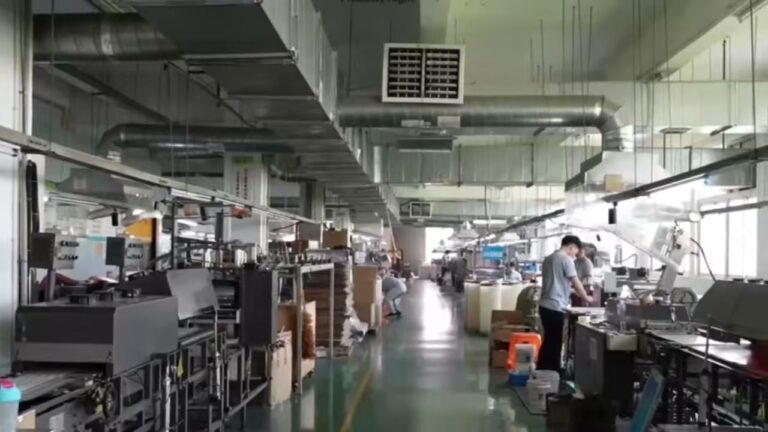 Wholesale Ribbon Manufacturers: Factory vs Trading Company Checklist
Evaluate Wholesale Ribbon Manufacturers options: factory capability, QC proof, lead time, and reorder reliability. Narrow the list before…
Explore guide
Wholesale Ribbon Manufacturers: Factory vs Trading Company Checklist
Evaluate Wholesale Ribbon Manufacturers options: factory capability, QC proof, lead time, and reorder reliability. Narrow the list before…
Explore guide
Leave a comment
Share a sourcing question or feedback on this guide. The Lude team reviews submissions before following up.