


Custom Satin Ribbon Printing Methods: Cost vs. Quality
Evidence and specification note: Color targets, tolerances, test methods, documentation, acceptance criteria, and remedies must be confirmed for the quoted material and written into the approved sample, specification, and sales agreement. General scenarios in this article are not guaranteed production results. Choosing between custom satin ribbon printing methods isn't a casual decision—it directly ties to…
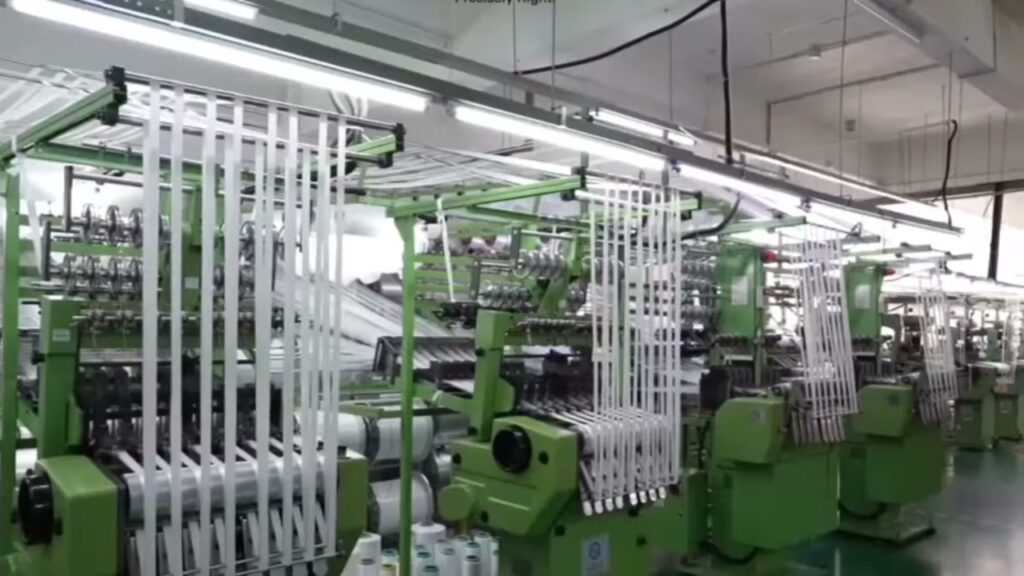
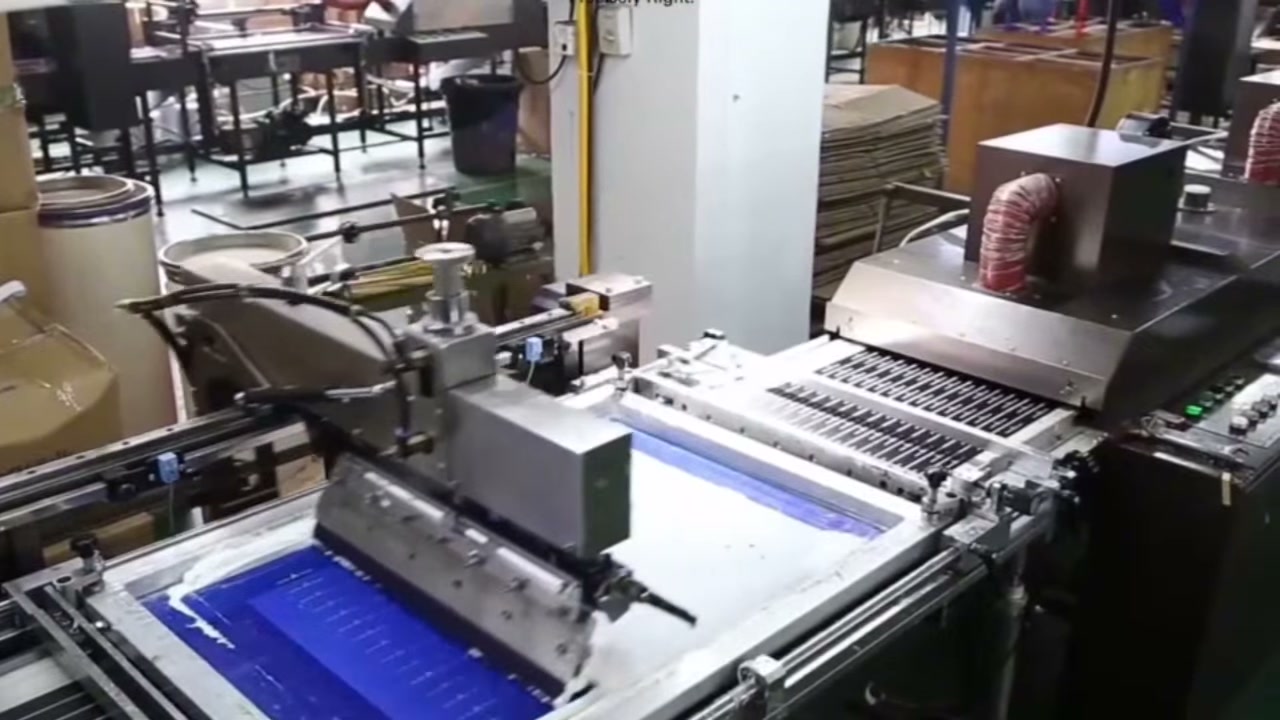
Choosing between custom satin ribbon printing methods isn’t a casual decision—it directly ties to your per-yard cost, the durability of your brand logo, and how a product reads on a store shelf. For luxury packaging, that’s the difference between a premium unboxing moment and a client questioning your quality control. The three primary methods are screen printing, foil stamping, and digital printing. Each carries different trade-offs in color fidelity, fade resistance, and minimum order quantity. Screen printing is the workhorse—clean, opaque, and cost-effective at scale. Foil stamping adds undeniable shelf appeal but demands a precise adhesive layer to prevent delamination. Digital opens the door for low runs and gradients. The trick is matching the method to the specific packaging challenge.
Pricing differences among materials, widths, print methods, quantities, and packing must be calculated from dated quotations for the same approved specification.

Why Printing Method Choice Defines Luxury Ribbon Quality
Foil stamping requires a pre-treatment adhesive layer on satin.
For luxury packaging, the printing method dictates whether your logo holds color, resists rubbing, and delivers the visual weight your brand demands. The wrong choice leads to faded metallic finishes, color deviation batch-to-batch, or a budget that doesn’t scale. Three methods dominate: screen printing, foil stamping, and digital printing. Each has a distinct cost profile and quality ceiling.
- Screen Printing: Baseline cost. Produces opaque, solid colors. Ideal for high-volume runs (MOQ 3,000+ yards). Color matching via spectrophotometer at buyer-approved ΔE tolerance. Cannot reproduce fine gradients.
- Pricing differences among materials, widths, print methods, quantities, and packing must be calculated from dated quotations for the same approved specification.
- Digital Printing: Unlimited colors, gradients. Edge sharpness is inferior; not recommended for text below 4pt.
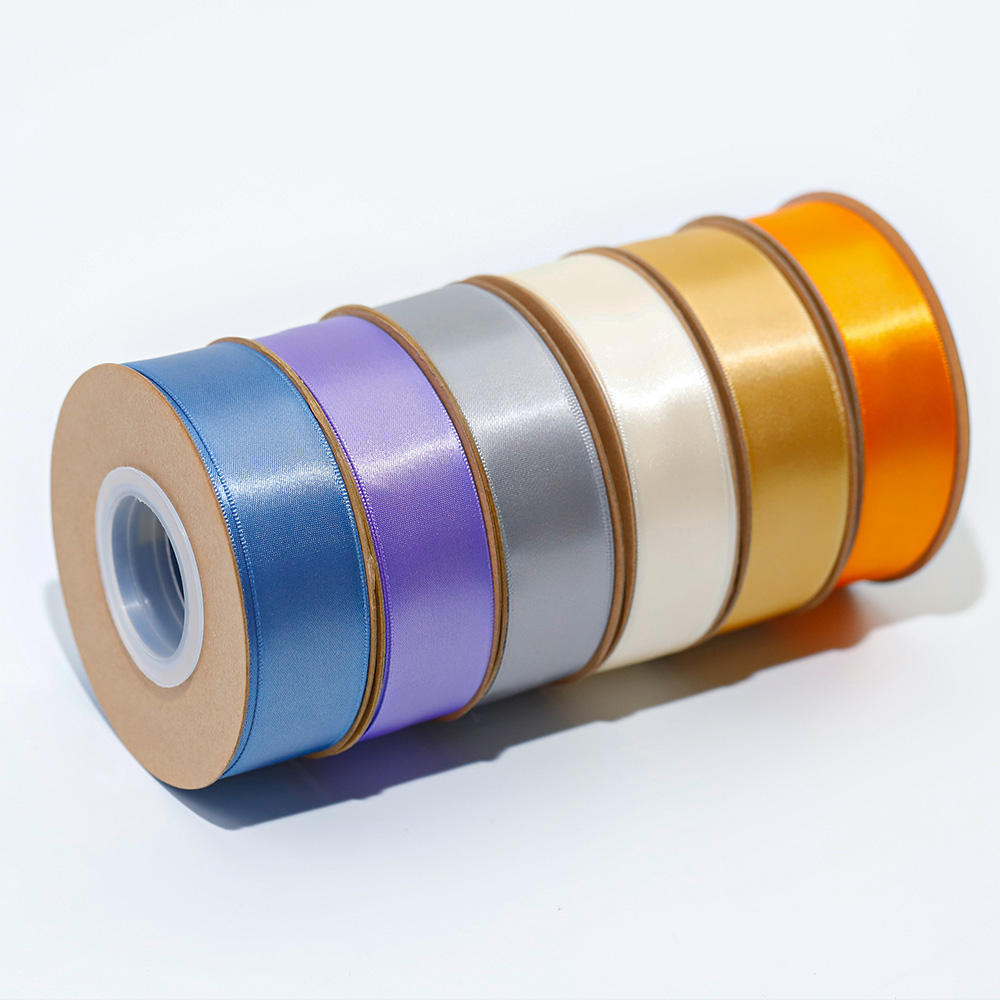
Real Cost Breakdown: Screen, Foil & Digital
- Color Count: Each additional ink color adds setup charges. Screen and foil have higher per-color costs; digital handles gradients without incremental setup fees.
- Width: Ribbons wider than 50mm increase material consumption and printing area, raising per-yard cost proportionally.
- Pricing differences among materials, widths, print methods, quantities, and packing must be calculated from dated quotations for the same approved specification.
- MOQ Thresholds: Screen, foil, and digital printing all start at 3,000 yards per design.
Pricing differences among materials, widths, print methods, quantities, and packing must be calculated from dated quotations for the same approved specification.
Screen Printing vs Foil Stamping: Which Delivers True Brand Consistency?
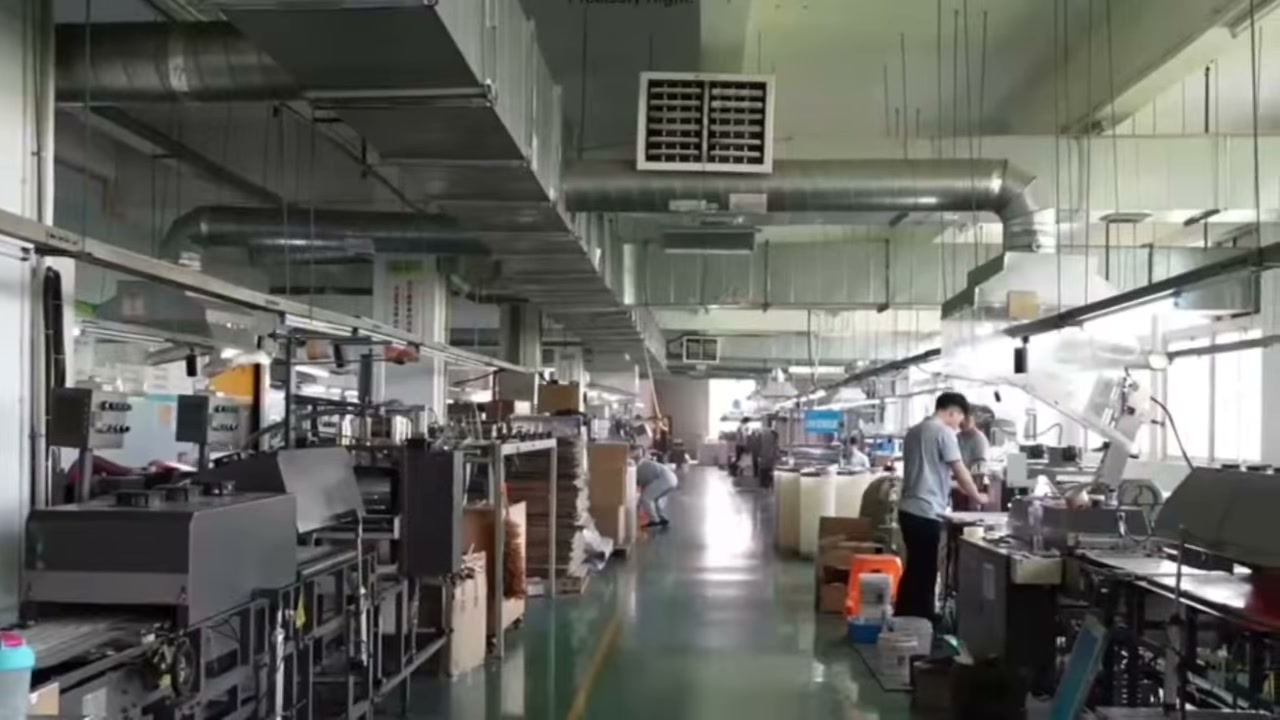
For logos and brand names on custom satin ribbon, screen printing delivers the most consistent color reproduction batch-to-batch. The factory uses a spectrophotometer to maintain Pantone matching at a buyer-approved ΔE tolerance. This matters when your packaging requires identical shade across thousands of yards.
Pricing differences among materials, widths, print methods, quantities, certifications, and packing must be calculated from dated quotations for the same approved specification.
Foil stamping adds a metallic layer (gold, silver, rose gold) that reflects light differently than ink. It can elevate a perfume box or limited edition. But foil on stretchy satin introduces a real engineering problem: without a heat-activated adhesive layer, the foil can delaminate — especially where the ribbon bends or rubs against packaging inserts. Here, the standard process applies a pre-treatment coat to the satin before the foil is heat-pressed, creating a mechanical bond that prevents peeling.
The color target, measurement method, lighting conditions, and acceptance tolerance are confirmed against the buyer-approved sample and written specification.
- Screen printing: Baseline cost, high opacity, buyer-approved ΔE tolerance Pantone matching, MOQ 3,000 yards.
- Pricing differences among materials, widths, print methods, quantities, and packing must be calculated from dated quotations for the same approved specification.
- Critical step: Approve a physical strike-off before bulk production. Avoid the dispute risk.
How to Source Custom Satin Ribbon Without Printing Disasters
Skipping the physical sample causes many printing disputes.
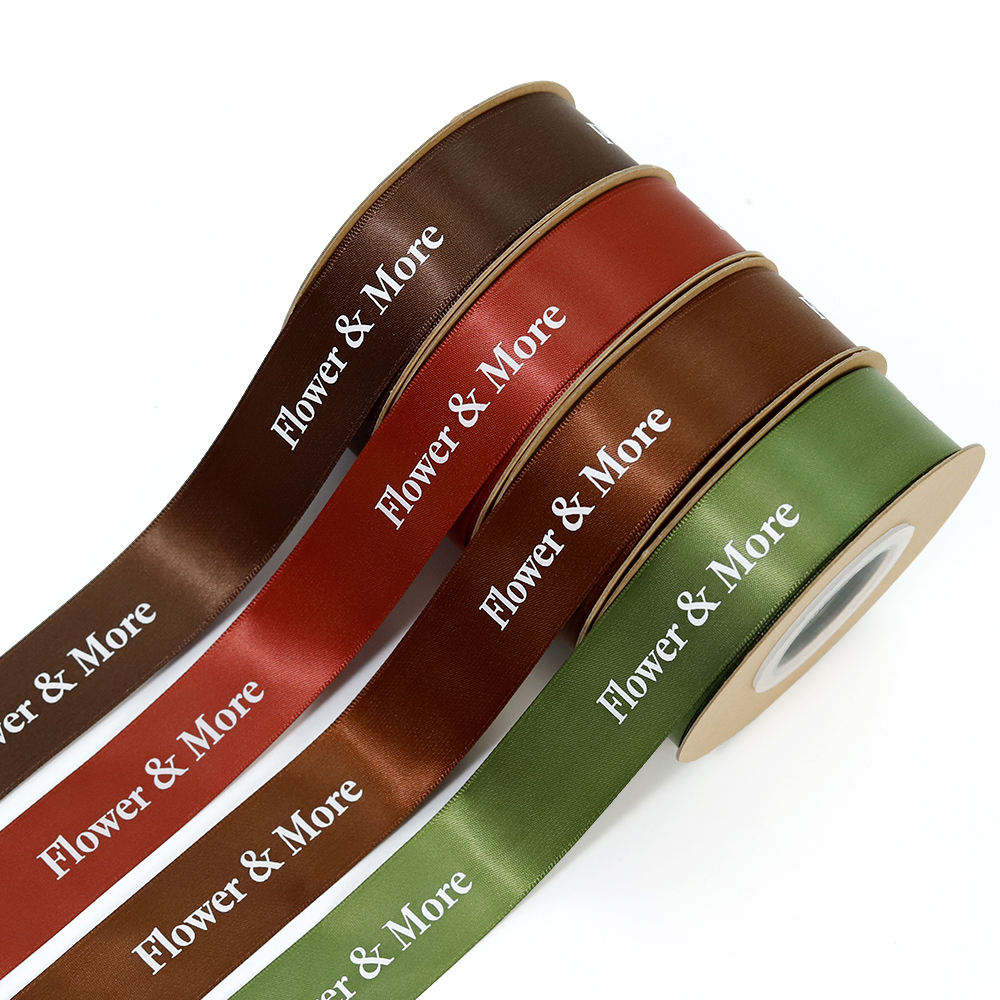
A sample-first workflow reduces three common failures in custom satin ribbon: color mismatch, foil delamination, and poor edge sharpness. Every step is mandatory to prevent a high post-production dispute risk seen when buyers skip physical approval.
- Artwork Submission: Send vector AI/EPS files at 300 DPI CMYK with Pantone codes. RGB or low‑res JPEGs may need redrawing before sampling. This ensures the print plates match your brand color exactly.
- The color target, measurement method, lighting conditions, and acceptance tolerance are confirmed against the buyer-approved sample and written specification.
- In‑House Rub Test: Run 10 firm cycles with a dry white cloth across the printed area. If any metallic or ink residue transfers, the print lacks proper heat‑set or adhesive pre‑treatment. For foil, the factory applies a heat‑activated adhesive layer to prevent delamination.
- Written Approval: Sign off on the sample in writing before bulk production begins. Oral approval is not accepted. This locks the color, finish, and adhesion standard, making the sample the benchmark for the entire order.
After approval, request a Certificate of Analysis (COA) per shipment. The COA confirms batch‑to‑batch consistency of Pantone match, rub resistance, and material composition. For digital printing orders, confirm edge sharpness on your sample – fonts below 4 pt may blur, so screen or foil is preferred for small text.
Conclusion
Pricing differences among materials, widths, print methods, quantities, and packing must be calculated from dated quotations for the same approved specification.
Review the Foil Printed Ribbon page to see how gold and silver foils are engineered to stay intact on 100% polyester satin — with Pantone-matched colors and MOQs starting at 3,000 yards. The spec sheet and sample request link will give you the data needed to justify your next supplier decision.
Frequently Asked Questions
How to custom print on ribbon?
Submit vector artwork (AI, EPS, or PDF at 300 dpi) and choose a print method—screen, foil, or digital—based on your budget and finish. The factory then creates a mandatory physical sample for approval. Always approve a physical sample before bulk order.
How do you print on satin ribbon?
Satin ribbon is printed using screen printing (economical), foil stamping (metallic finish), or digital printing (multi-color). Foil stamping on satin requires a pre-treatment adhesive layer to prevent fading during handling. Confirm the print method with your supplier based on durability needs.
What’s the difference between silk and satin ribbon?
Satin ribbon is typically 100% polyester, offering gloss, durability, and consistent Pantone matching (buyer-approved ΔE tolerance), while silk is a natural fiber that is softer. Choose polyester satin for color accuracy and budget; silk for luxury feel only if budget allows.
What is the average cost of a personalized ribbon?
Pricing differences among materials, widths, print methods, quantities, and packing must be calculated from dated quotations for the same approved specification.
What are the three types of ribbons?
The three most common ribbon types for custom printing are satin (smooth and glossy), grosgrain (ribbed texture), and velvet (plush and premium). Each is suited to different packaging and event. Choose the ribbon type that matches your brand’s texture and durability requirements.
Keep exploring
Recommended buyer guides
 Pre-Tied Bows for Retail Packaging: When They Reduce Labor and Rework
See when pre-tied bows reduce retail packaging labor, improve consistency, and simplify bulk packing, SKU planning, and reorders
Explore guide
Pre-Tied Bows for Retail Packaging: When They Reduce Labor and Rework
See when pre-tied bows reduce retail packaging labor, improve consistency, and simplify bulk packing, SKU planning, and reorders
Explore guide
 Velvet Ribbon Wholesale Checklist: MOQ, Finish, and Supplier Questions
Evaluate velvet ribbon wholesale options: MOQ, setup fees, unit cost, and packing. Narrow the list before requesting samples…
Explore guide
Velvet Ribbon Wholesale Checklist: MOQ, Finish, and Supplier Questions
Evaluate velvet ribbon wholesale options: MOQ, setup fees, unit cost, and packing. Narrow the list before requesting samples…
Explore guide
 Wholesale Custom Ribbon with Logo: Specs, Roll Length, and RFQ Checks
Step-by-step: Custom Ribbon With Logo. Check artwork files, print method, color target, and sample approval to avoid delays,…
Explore guide
Wholesale Custom Ribbon with Logo: Specs, Roll Length, and RFQ Checks
Step-by-step: Custom Ribbon With Logo. Check artwork files, print method, color target, and sample approval to avoid delays,…
Explore guide
 Wholesale Ribbon By The Roll: Roll length and inventory planning
Evaluate Wholesale Ribbon By The Roll options: factory capability, QC proof, lead time, and reorder reliability. Narrow the…
Explore guide
Wholesale Ribbon By The Roll: Roll length and inventory planning
Evaluate Wholesale Ribbon By The Roll options: factory capability, QC proof, lead time, and reorder reliability. Narrow the…
Explore guide
Leave a comment
Share a sourcing question or feedback on this guide. The Lude team reviews submissions before following up.