


Custom Ribbon For Cosmetics: Logo/color/material choices
Custom ribbon for cosmetics needs a written specification before the buyer can plan OEM, ODM, logo, artwork, material, size, color, sample, packaging, or private-label requirements; otherwise suppliers may quote different product and approval assumptions. This guide connects custom ribbon for cosmetics to parameters, cost impact, supplier risk, factory process, and procurement advice. Direct answer: For…
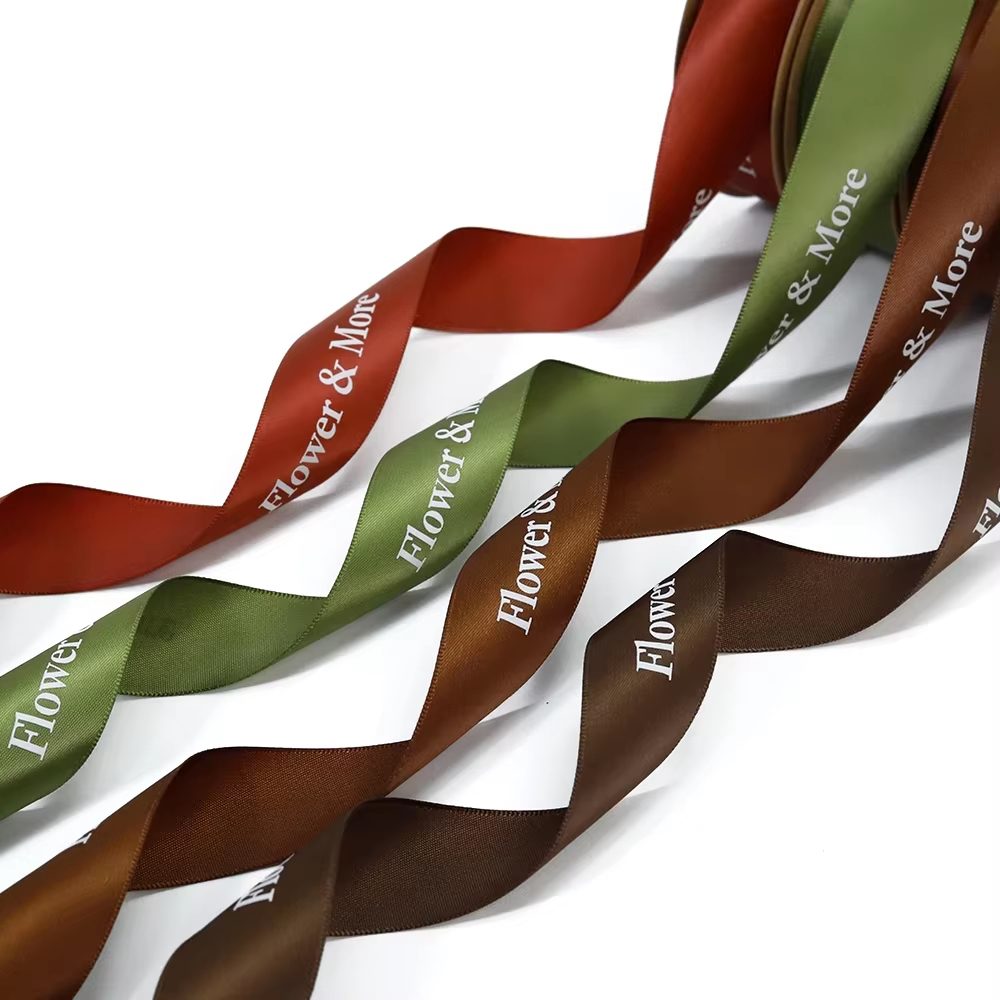
Custom ribbon for cosmetics needs a written specification before the buyer can plan OEM, ODM, logo, artwork, material, size, color, sample, packaging, or private-label requirements; otherwise suppliers may quote different product and approval assumptions.
This guide connects custom ribbon for cosmetics to parameters, cost impact, supplier risk, factory process, and procurement advice.
Direct answer: For custom ribbon for cosmetics, align artwork files, dimensions, material and finish targets, a signed-off sample, packing instructions, and the bulk-production handoff in one controlled specification.
What buyers must define before approving custom ribbon for cosmetics
Custom ribbon for cosmetics fails at approval for one reason: the specification was never written in ranges, so nobody can say whether the sample passed. The table below turns each requirement into a spec line, an acceptable range, the risk of leaving it open, the check that proves it, and the action that closes it.
| Spec | Acceptable range | Risk | Verification | Buyer action |
|---|---|---|---|---|
| Material and finish | Satin, grosgrain, velvet, or organza, chosen for the pack and the price point | A material that does not match the brand tier undermines the whole set | A physical swatch in the shortlisted material | Approve the swatch before the sample |
| Width and roll length | The width and roll that fit the box and the workshop | A width that is too wide hides the label or will not close the pack | A sample tied on the real box and measured | Confirm width and roll with the sample |
| Logo artwork and placement | The artwork revision and the position or repeat on the ribbon | A superseded file or a drifting repeat becomes a reprint | The named revision plus a registered print position | Approve the proof on the exact width |
| Colour reference and tolerance | The reference that governs the run and the variation allowed | An unreferenced shade cannot be repeated or defended | A matched swatch compared against the reference | Approve the matched swatch before bulk |
| Packing unit and carton | Rolls or sets per bag and per carton, with a transit-safe method | Handling and freight cost move after the price is fixed | A packed-case photo and the stated unit count | Record the packing unit before deposit |
Ribbon OEM quality standards add a second layer for a cosmetics programme: quality standards for ribbon procurement cover testing protocols, audit evidence, and the documentation a cosmetics brand should ask for, so the specification carries both the look and the proof. Write the five spec lines above into one document, then request the sample against it.
Artwork file and proofing requirements
Artwork file and proofing requirements decide how fast a cosmetics ribbon sample is produced and how much a change costs to absorb. Each approval item below names the change risk it controls, who signs it off, the check that proves it, and the move that follows.
- Approval item: the artwork revision. Change risk: a later revision silently shifts the logo and the ribbon is reprinted. The brand team signs this off against a named file. Verify by matching the file name on the order to the approved proof, then attach the revision to the sample request.
- Approval item: the print method and proof. Change risk: a colour or detail promise the chosen method cannot hold. The supplier’s sample room signs off feasibility, and the buyer approves the proof. Check the smallest printed element at final size before bulk.
- Approval item: the colour reference. Change risk: an unreferenced shade cannot be repeated on a reorder. The buyer signs the reference, and the factory keeps it on file. Compare a matched swatch against the reference before approving.
- Approval item: the placement and repeat. Change risk: a logo that drifts along the roll or repeats unevenly. The supplier signs off the placement map, and the buyer approves the position. Inspect the repeat across a full roll length.
- Approval item: the change window. Change risk: a late change after release resets the production schedule and the lead time. The buyer signs off the cut-off date, and the supplier confirms it in writing. Record the change window on the order.
A custom ribbon printing reference covers logo and artwork preparation, which is why the revision and the sign-off belong together. The file inputs behind the print route are also listed on the custom printed ribbon page. Release the artwork only when every approval item above is named and signed.
RFQ checkpoint
Sample approval workflow
A sample approval workflow succeeds or fails on the checks the buyer writes down before the sample is made. Each check point below names the defect it catches, how to verify it, the standard that passes it, and the move that closes the stage.
- Check point: material and finish. The defect or risk is a finish that looks right on screen but reads cheap against the pack. Verify by holding the sample against the actual box in the retail lighting. The standard is the material and finish named on the order. Approve the finish on the sample.
- Check point: logo clarity and colour. A washed-out or off-colour logo is the defect buyers catch too late. Verify the smallest printed element at final size and compare the colour against the retained swatch. The standard is the approved reference. Release the print only on the matched sample.
- Check point: width and pack fit. The risk is a ribbon that will not close the box or wraps unevenly. Verify by tying the sample on the real pack and measuring the finished width. The standard is the range you wrote in the specification. Confirm the fit with the sample.
- Check point: packing behaviour. A ribbon that creases or frays in transit is the defect that shows at the store. Verify a packed sample after simulated handling. The standard is a roll that arrives in sellable shape. Approve the packing method with the sample.
- Check point: inspection record. A verbal yes leaves nothing to check later, which is the risk. Verify by requesting the record of checks performed on the sample. The standard is the set of checks you asked for. Keep the signed sample and the record together.
Documentation matters for a cosmetics programme: guidance such as ISO 22716 for cosmetic production and storage shows the record-keeping that sits behind a release decision, and it is the reason the inspection record belongs with the sample. The finish and handling notes for reflective options are listed on the metallic ribbon page. Sign off each stage before moving to the next.
production quality checkpoints
Production quality checkpoints work only when each requirement is paired with proof the buyer can request. Every line below states the requirement, the proof to request, who provides it, the approval risk, and the move that closes the checkpoint.
- Requirement: the ribbon matches the approved sample. Proof to request: a retained production sample and a measured width report. The factory provides both at the production approval gate. Silent substitution is the exposure that changes the pack fit. Hold bulk until the report matches.
- Requirement: colour holds across the run. Proof to request: a matched swatch plus a lot-to-lot note against the reference. The supplier’s quality control step provides them. A drifting lot cannot be reordered, and that is the exposure. Approve the colour sample first.
- Requirement: print registration stays stable. Proof to request: an in-process inspection record taken during the run. The press team keeps that record. A repeat seam or drift costs a reprint, which is the exposure here. Review the record before shipment.
- Requirement: the ribbon is cleanroom-safe for cosmetic packing. Proof to request: the material and finish declaration the supplier issues for the order. The supplier provides it, and the buyer checks it against the brief. A material that reacts with the product or the label is the exposure. Approve the declaration before bulk.
- Requirement: packing and count are as agreed. Proof to request: a packed-case photograph and the stated rolls per carton. The factory provides it at packing. A unit count that moves freight cost after the price is fixed is the exposure. Write the packing unit into the order.
Each checkpoint should point at the route it protects, and a custom construction or private-label format belongs on the development path, which the OEM and ODM ribbon development page describes. Turn every requirement above into a written proof request and attach it to the order.
Final approval checklist before RFQ or deposit
The final approval checklist removes the missing fields that turn a clean RFQ into a week of emails. Each RFQ input below carries why it matters, the approval risk if it stays open, the supplier question that closes it, and the move to take before any deposit.
- quote request input: material, width, and finished format. Why it matters: two suppliers pricing different constructions cannot be compared. Risk if open: a sample change and a re-quote. Supplier question: which material, width, and format will be quoted? Confirm both in writing before comparing totals.
- quote request input: logo artwork and placement. Why it matters: the ribbon can only be produced from one approved revision. The exposure: a reprint from a superseded file. Supplier question: which revision and placement will be sampled? Attach the revision reference to the order.
- quote request input: colour reference and tolerance. Why it matters: an unreferenced colour cannot be approved or repeated. If left open: a near-miss that becomes a dispute. Supplier question: which reference governs the run and what variation is allowed? Approve a matched sample against it.
- quote request input: quantity basis and MOQ. Why it matters: the quantity basis changes the minimum. Plain stock ribbon chosen from existing inventory colours and widths starts at 1,500 yards per colour. A custom printed ribbon programme starts at 3,000 yards per design. The downside: a price that cannot be ordered at the planned volume. Supplier question: which basis does the total assume? Confirm the basis before comparing.
- quote request input: sample window and lead time. Why it matters: the sample gates the bulk run. A custom ribbon sample is produced 7 to 14 business days after confirmed specifications, artwork files, and Pantone numbers are received, and bulk production runs 15 to 20 business days after specifications and samples are approved. Open field risk: a missed launch date. Supplier question: does the schedule start at the quote request or after sign-off? Put both dates on the order.
- quote request input: packing unit and carton. Why it matters: rolls and sets pack differently, so the unit decides freight and handling. What goes wrong: a late carton change that moves cost. Supplier question: how many rolls go into each bag and carton? Record the packing unit before deposit.
A quote answers what the brief contains and nothing more, so the six inputs above are the difference between a price and a budget. Send the completed checklist with the artwork revision and the colour reference so the factory can quote a schedule as well as a number.
In conclusion
Custom ribbon for cosmetics is an approval decision before it is a price decision. Fix the material and finish, the width, the logo artwork and colour, and the packing unit, and the sample becomes the shared reference for the run.
Before moving forward, check that those four inputs and the sample window are written down, because they are the quote-ready fields a supplier needs to price one product. Leaving any of them open carries a risk: the reprint, the re-quote, and the missed launch date all arrive after the deposit. Request a matched sample and a quote against one written specification, then shortlist the supplier whose evidence survives every check.
Custom ribbon cosmetics FAQ
What should buyers confirm before ordering Custom Ribbon For Cosmetics?
Confirm the material and finish, the width and roll length, the logo artwork and placement, the colour reference, and the packing unit in writing. Add the print method, because a file that needs redrawing is a change to the logo you have not approved. When those fields are fixed, the sample request and the production order describe one product.
How should buyers compare MOQ, lead time, and quote terms?
Compare the basis, not the headline number. Plain stock ribbon chosen from existing inventory colours and widths starts at 1,500 yards per colour. A custom printed ribbon programme starts at 3,000 yards per design. Ask which basis each quote uses. Ask what the quote excludes, because setup, freight, and rush charges are where two totals diverge. A custom ribbon sample is produced 7 to 14 business days after confirmed specifications, artwork files, and Pantone numbers are received, and bulk production runs 15 to 20 business days after specifications and samples are approved.
What sample, quality, or supplier checks reduce risk?
Check the sample the way the pack will be used: hold it against the real box, compare colour against the retained swatch, and test the finish by hand. Ask for the inspection record rather than a promise, and ask who owns a redraw if the artwork needs work. A check before the deposit costs a sample cycle; an unchecked run costs the launch.
quote request handoff: Send Specs for Review.
Keep exploring
Recommended buyer guides
 Pre-Tied Bows for Retail Packaging: When They Reduce Labor and Rework
See when pre-tied bows reduce retail packaging labor, improve consistency, and simplify bulk packing, SKU planning, and reorders
Explore guide
Pre-Tied Bows for Retail Packaging: When They Reduce Labor and Rework
See when pre-tied bows reduce retail packaging labor, improve consistency, and simplify bulk packing, SKU planning, and reorders
Explore guide
 Velvet Ribbon Wholesale Checklist: MOQ, Finish, and Supplier Questions
Evaluate velvet ribbon wholesale options: MOQ, setup fees, unit cost, and packing. Narrow the list before requesting samples…
Explore guide
Velvet Ribbon Wholesale Checklist: MOQ, Finish, and Supplier Questions
Evaluate velvet ribbon wholesale options: MOQ, setup fees, unit cost, and packing. Narrow the list before requesting samples…
Explore guide
 Wholesale Custom Ribbon with Logo: Specs, Roll Length, and RFQ Checks
Step-by-step: Custom Ribbon With Logo. Check artwork files, print method, color target, and sample approval to avoid delays,…
Explore guide
Wholesale Custom Ribbon with Logo: Specs, Roll Length, and RFQ Checks
Step-by-step: Custom Ribbon With Logo. Check artwork files, print method, color target, and sample approval to avoid delays,…
Explore guide
 Wholesale Ribbon By The Roll: Roll length and inventory planning
Evaluate Wholesale Ribbon By The Roll options: factory capability, QC proof, lead time, and reorder reliability. Narrow the…
Explore guide
Wholesale Ribbon By The Roll: Roll length and inventory planning
Evaluate Wholesale Ribbon By The Roll options: factory capability, QC proof, lead time, and reorder reliability. Narrow the…
Explore guide
Leave a comment
Share a sourcing question or feedback on this guide. The Lude team reviews submissions before following up.