


Christmas Ribbon Cost Planning: What Low-Price Buyers Must Check First
Christmas Ribbon Cost Planning — review artwork files, print method, color target, and MOQ so your quote comparison reflects actual production cost, not
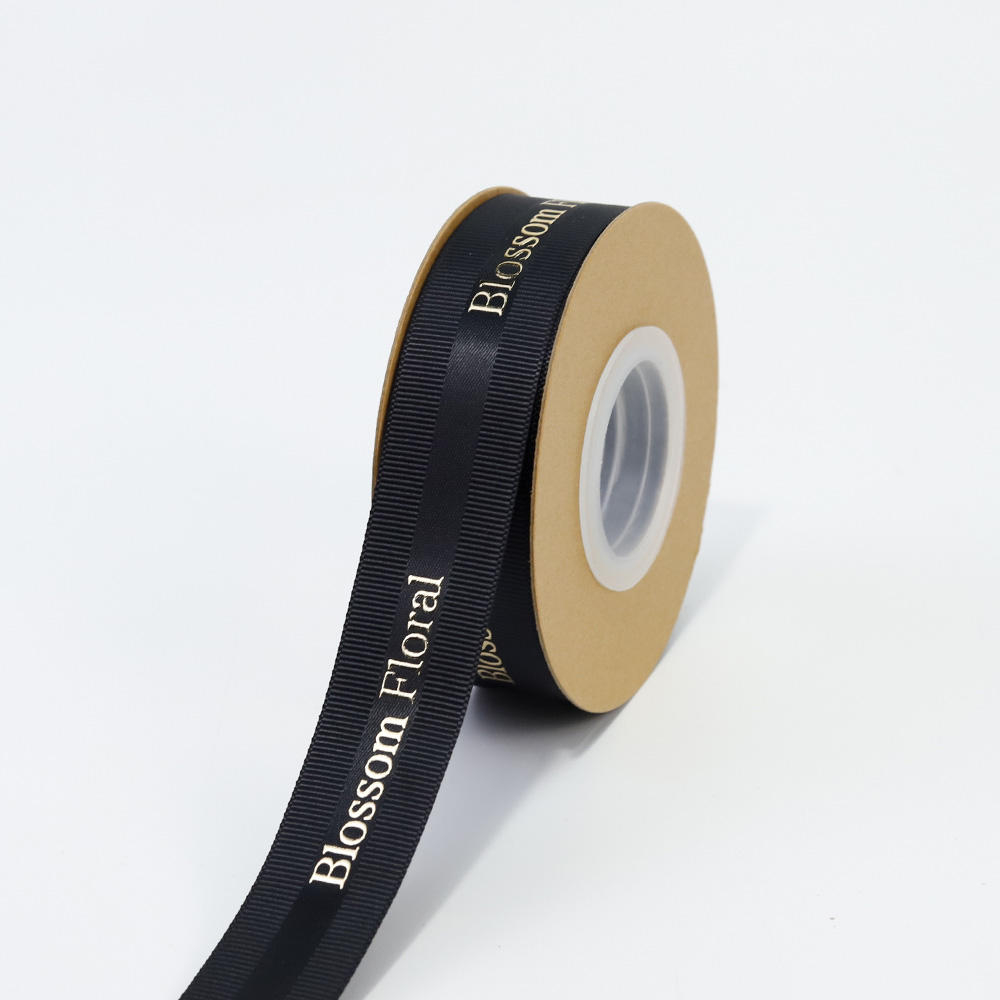
Cheap christmas ribbon needs a written specification before the buyer can shortlist Cheap Christmas Ribbon suppliers using proof, capability, quality, MOQ, and delivery criteria; otherwise suppliers may quote different product and approval assumptions.
This guide connects cheap christmas ribbon to parameters, cost impact, supplier risk, factory process, and procurement advice.
Direct answer: For cheap christmas ribbon, compare matched samples, documented production capability, quality records, quantity rules, and delivery assumptions on the same basis.
How to compare low-price offers without losing quality
Start with a cost breakdown that keeps every supplier on the same specification and commercial basis. A low number is not comparable when material, dimensions, print route, packing unit, quantity, delivery term, or inspection scope differs.
| Cost driver | Matching RFQ input | Proof to request | Risk to avoid | Buyer action |
|---|---|---|---|---|
| Material and construction | Fiber, weave, finish, width, edge, and color reference | Specification sheet and measured sample | A lower quote uses a different construction or tolerance | Reject comparisons that do not match the approved specification |
| Printing and setup | Artwork revision, color count, print method, repeat, and setup ownership | Itemized setup line and approved printed sample | Setup charges or printable-area limits appear after selection | Confirm every design and color assumption before shortlisting |
| Quantity and quoted unit | Quantity per design and color, roll length, and price unit | Scenario quote using the buyer’s actual SKU plan | An attractive unit price requires excess inventory or a different roll basis | Compare total commitment and inventory exposure |
| Packing and inspection | Inner pack, export carton, labels, sampling, and acceptance record | Packing specification and inspection checklist | Damage, sorting, or relabeling costs sit outside the quotation | Add omitted work to the landed-cost comparison |
| Lead time and delivery | Approval trigger, production window, delivery term, and required date | Dated production and shipment commitment | A cheap offer creates a seasonal delay or emergency freight cost | Keep timing and logistics in the commercial decision |
Material, width, printing, packing, and setup variables
For cheap Christmas ribbon, require each quotation to identify the exact material and construction, finished width and edge, color target, print method, artwork revision, packing format, and quantity basis. If a supplier proposes a substitute, record it as a separate option and request a separate sample instead of mixing it into the like-for-like comparison.
Sample costs, tooling assumptions, and reorder effects
Ask the supplier to separate sampling, artwork or tooling setup, bulk production, packing, inspection, and freight. For every charge, confirm whether it is one-time, refundable, reusable on reorder, or triggered again by a color, artwork, construction, or quantity change.
Bind the chosen quote to the approved sample and revision record. Before a reorder, ask the factory which material lot, tooling, color standard, artwork file, and packing instruction it still retains; any changed input should trigger a revised quote and approval rather than an assumed repeat price.
MOQ and quantity planning
A low unit price is meaningful only when every supplier is quoting the same Christmas ribbon specification and order structure. Build the comparison by SKU: fix the material, width and edge construction, color or artwork, finishing method, packing unit, and quantity per design before comparing minimums.
| Scorecard check | Supplier proof to request | Risk signal | Buyer action |
|---|---|---|---|
| MOQ basis | Written minimum for each material, color, design, and packing unit | One unexplained minimum is applied to unlike SKUs | Ask the supplier to break the quotation down by SKU |
| Setup and customization | Separate lines for stock input, custom color, printing, finishing, and packing | Setup charges or process assumptions are omitted | Hold the comparison until all quote assumptions are visible |
| Sample-to-bulk control | Marked sample, specification revision, and named approval owner | Production can start from a verbal approval | Require written sign-off before bulk release |
| Reorder basis | Confirmation of retained color, artwork, material, and packing records | Repeat-order terms are assumed to match the first run | Record what must be reconfirmed for every reorder |
How MOQ changes by material, process, and color
Ask for the production reason behind each minimum instead of assuming that a smaller number is always better. A stock construction, a custom-dyed shade, a printed design, and special retail packing may follow different production routes. The supplier should state which SKUs can share material or setup, which cannot, and how each choice affects sample approval, unit price, and lead time.
If metallic appearance is part of the brief, use the metallic ribbon options as product context, then ask the factory to confirm the exact material and finish in the quote.
When higher quantity lowers risk or unit cost
Request two or more quantity scenarios using the same specification. Compare the total commitment, setup allocation, inventory exposure, packing assumptions, and reorder timing—not only the quoted unit price. A higher quantity is useful only when the saving and production logic outweigh the risk of excess stock or a specification that has not yet been proven.
Keep the selected quantity, approved sample, quote revision, and buyer sign-off under one record. If any material, color, artwork, or packing input changes, require a revised quotation and approval before production proceeds.
Lead time, sampling, and shipping assumptions
| Criteria | Baseline option | Confirmed option | Buyer meaning | Risk to avoid | Follow-up |
|---|---|---|---|---|---|
| Specification details | Material, width, color, and print method locked before sampling | Specifications finalized only after sample approval | Option A requires full spec sign-off to start sample production; Option B allows adjustments after reviewing physical samples. | Option A may delay timeline if specs change; Option B risks rework costs if final specs diverge from approved sample. | Document all spec parameters in the RFQ and confirm which gate the supplier uses for sample start. |
| Cost driver | Material type and width set per-yard cost before sampling | Cost per yard confirmed only after sample approval and quantity commitment | Option A gives early cost visibility; Option B ties final pricing to sample outcome and order volume. | Option A may lock in higher cost if specs tighten later; Option B risks budget uncertainty until late in process. | Request a cost-breakdown table with the RFQ, showing material, width, and quantity tiers. |
| Quality control | In-line inspection during production with hold-point for defect check | Final random inspection before shipment only | Option A catches defects early; Option B relies on end-of-line sampling to catch issues. | Option A reduces rework but may slow production; Option B risks shipping defective goods if sample rate misses problems. | Specify in the purchase order whether in-line or final inspection is required, and request the supplier's QC plan. |
| Approval risk | Artwork and color standard approved before bulk run | Bulk production starts after sample approval only | Option A separates artwork sign-off from sample approval; Option B combines both into one gate. | Option A adds a gate but reduces color/print mismatch risk; Option B may rush artwork decisions into sample sign-off. | Require separate artwork approval and sample approval steps in the timeline, documented in writing. |
| Lead time | Standard production timeline after all approvals are signed off | Rush production available with surcharge and capacity check | Option A follows the supplier's standard production schedule; Option B accelerates but depends on factory load at order time. | Option A may not meet urgent deadlines; Option B adds cost and is not guaranteed if capacity is full. | Confirm path-specific timing in the supplier's written quotation, and verify rush availability before committing. |
For specification details, a poor decision can mean option a may delay timeline if specs change; option b risks rework costs if final specs diverge from approved sample. Request written proof and compare it with the approved sample or specification. Use the result to decide whether this checkpoint can proceed or must stay on hold.
Preserve the specification details decision under one revision number: keep the supplier response, marked sample, approved specification, quotation, and approval owner together. If the evidence conflicts with the approved record, hold the quote, sample, or production release until the deviation is explained in writing. Once the buyer and designated technical authority have accepted the evidence, carry the signed approval record into the purchase order, production handoff, shipment release, and later reorder review so every team works from the same baseline.
Timeline elements to confirm before production
Before bulk production begins, verify that artwork approval, sample sign-off, and material availability are all documented in writing. Each gate affects the start date. For cheap christmas ribbon, confirm the supplier's standard production window after all approvals are locked. OEM and ODM ribbon development often requires additional review cycles, so build those into the schedule from the start.
Peak-season or urgent-order risks
During peak holiday demand, factory capacity tightens and rush production may not be available. Confirm with the supplier whether a surcharge applies and what the actual capacity is at order time. For cheap christmas ribbon, order early to avoid last-minute delays. Always request a written timeline with specific dates rather than relying on standard estimates.
How to compare supplier quotes fairly
A fair comparison starts with one RFQ sheet and one approval route for every supplier. Lock the ribbon construction, width and edge, color reference, artwork revision, packing unit, quantity per design, delivery term, and sample requirement before looking at price.
| Buyer question | Proof to request | Red flag | Buyer action |
|---|---|---|---|
| Which specification revision does this quote use? | Itemized quote tied to the current material, color, artwork, and packing record | The supplier cannot identify the quoted revision | Return the quote for correction before shortlisting |
| What is included in the unit and landed-cost basis? | Quoted unit, roll length, inner and outer packing, delivery term, and stated exclusions | Two suppliers use different units or omit packing and freight assumptions | Normalize the commercial basis before comparing totals |
| How will the sample control bulk production? | Marked sample, measurable acceptance points, and named approval owner | Bulk production can start from a photo or verbal approval alone | Keep the order on hold until written approval is defined |
| What changes at each quantity scenario? | Separate minimum, setup, unit price, lead-time, and packing assumptions by scenario | A lower price appears without an explained specification or process change | Ask for the changed cost driver and a revised sample if needed |
Quote fields that must match across suppliers
For cheap Christmas ribbon, compare suppliers only after the material, dimensions, color target, print or finish, quantity, quoted unit, packing, delivery term, sample route, and payment assumptions match. The gift and retail packaging ribbon solutions page can help buyers connect these inputs to the intended packaging use.
Quality evidence should also be comparable. Ask each supplier for its inspection checkpoints, acceptance record, deviation process, and responsible approver. For a neutral reference on price analysis, review FAR 15.404-1 on proposal analysis techniques; private buyers can adapt its comparison logic without treating federal acquisition rules as their contract terms.
Hidden cost and quality tradeoffs
A lower quote may reflect a different material, roll length, printing route, packing method, inspection scope, delivery term, or tolerance—not necessarily a better purchase. Record every variance in a comparison sheet and assign one of three actions: accept with evidence, request a corrected quote, or remove the supplier from the shortlist.
Before approval, bind the chosen quotation to the specification revision, physical sample, packing record, and delivery commitment. If any of those inputs change, reopen the comparison instead of carrying the old price into the purchase order.
RFQ checklist before contacting a supplier
- Confirm material construction and width match the intended use: A thin ribbon may tear under bow weight or fade in display lighting, leading to returns. Request a material data sheet and width tolerance statement from the supplier. Incorrect material or width causes product failure during holiday use. Approve the spec sheet before sample production begins.
- Verify color fastness and print alignment on submitted samples: Faded or misaligned prints damage brand presentation and require rework. Compare the sample against a Pantone reference under daylight and store lighting. Color mismatch triggers rejection at final inspection. Document the approved color standard and sign off on the sample.
- Check that the supplier's QC method includes a visual and dimensional check: Without a documented check, defects like frayed edges or uneven width pass through. Ask for the QC checklist used during production and review the pass/fail criteria. Undetected defects lead to costly sorting or customer complaints. Shortlist only suppliers who share their QC procedure in writing.
- Confirm the supplier holds a third-party social audit report: An audit reduces the risk of labor or safety issues that could halt shipments. Request the audit certificate and verify the issue date and scope. Unvetted factories may fail compliance checks during peak season. File the audit report with the supplier record before order placement.
Spec inputs to prepare
Before sending an quote request for cheap christmas ribbon, gather the exact width, material type, color target, and print method. Include the intended use—gift wrap, tree bows, or packaging—so the supplier can match construction to application. A clear spec reduces quote revisions and sample rounds.
Commercial and delivery details to include
State the estimated quantity per design, preferred packing unit, and target delivery window. Ask if the supplier can hold a partial shipment for holiday launch dates. Including these details in the quote request helps the supplier confirm capacity and avoid rush surcharges that inflate the per-yard cost.
In conclusion
To secure cheap Christmas ribbon that meets your quality and budget targets, verify the exact width, material composition, and color specification against your seasonal program. Compare suppliers on MOQ, lead time, and per-yard cost while factoring in production capacity during peak demand—a lower price often hides thinner material or rushed finishing. Request a pre-production sample to confirm thickness, color accuracy, and edge finish before approving bulk production. Once the spec is validated and the supplier’s quality signals are clear, shortlist the best fit and request a quote to move forward.
To request a quote for this order, use custom printed ribbon to confirm the final specification, quote assumptions, sample approval, QC evidence, approval risk, and supplier follow-up before bulk order.
Cheap christmas ribbon FAQ
What should buyers confirm before ordering Cheap Christmas Ribbon?
Buyers should confirm the exact width, material composition, and color specification for the current product before ordering. Verify that the quoted cost aligns with the required MOQ, and document the agreed lead time in the quote request to avoid delivery delays during peak holiday demand.
How should buyers compare MOQ, lead time, and quote terms?
Compare minimum order and lead time across suppliers by requesting a detailed quote that breaks down per-yard cost for each design and color. Confirm whether the minimum order applies per design or per color, and check if rush production is available at a surcharge for tighter deadlines.
What sample, quality, or supplier checks reduce risk?
Request a pre-production sample to verify material thickness, color accuracy, and print quality before approving bulk production. Document the sample approval in writing and confirm that the supplier performs in-process quality checks to reduce the risk of defects in the final shipment.
quote request handoff: Send Specs for Review.
Keep exploring
Recommended buyer guides
 Velvet Ribbon Wholesale Checklist: MOQ, Finish, and Supplier Questions
Evaluate velvet ribbon wholesale options: MOQ, setup fees, unit cost, and packing. Narrow the list before requesting samples…
Explore guide
Velvet Ribbon Wholesale Checklist: MOQ, Finish, and Supplier Questions
Evaluate velvet ribbon wholesale options: MOQ, setup fees, unit cost, and packing. Narrow the list before requesting samples…
Explore guide
 Wholesale Ribbon By The Roll: Roll length and inventory planning
Evaluate Wholesale Ribbon By The Roll options: factory capability, QC proof, lead time, and reorder reliability. Narrow the…
Explore guide
Wholesale Ribbon By The Roll: Roll length and inventory planning
Evaluate Wholesale Ribbon By The Roll options: factory capability, QC proof, lead time, and reorder reliability. Narrow the…
Explore guide
 Award Ribbons Wholesale: Bulk award ribbon supplier checks
Shortlist Award Ribbons Wholesale suppliers by factory capability, QC proof, lead time, and reorder reliability. See which options…
Explore guide
Award Ribbons Wholesale: Bulk award ribbon supplier checks
Shortlist Award Ribbons Wholesale suppliers by factory capability, QC proof, lead time, and reorder reliability. See which options…
Explore guide
 Wholesale Ribbon Manufacturers: Factory vs Trading Company Checklist
Evaluate Wholesale Ribbon Manufacturers options: factory capability, QC proof, lead time, and reorder reliability. Narrow the list before…
Explore guide
Wholesale Ribbon Manufacturers: Factory vs Trading Company Checklist
Evaluate Wholesale Ribbon Manufacturers options: factory capability, QC proof, lead time, and reorder reliability. Narrow the list before…
Explore guide
Leave a comment
Share a sourcing question or feedback on this guide. The Lude team reviews submissions before following up.