


Bulk Ribbon Order: Moq, lead time, reorder planning
Break down Bulk Ribbon Order costs: MOQ, setup fees, unit cost, and packing. Know the real price drivers before comparing supplier quotes
Bulk ribbon order needs a written specification before the buyer can understand price drivers, MOQ impact, hidden costs, and quote assumptions before ordering; otherwise suppliers may quote different product and approval assumptions.
Ribbon MOQ is a dye-lot question. Ordering below one lot pays setup twice; ordering across lots means accepting shade drift.
Direct answer: For bulk ribbon order, lock measurable specifications, application constraints, supplier evidence, and the next approval action before comparing options.
What drives ribbon order cost, MOQ, and quote differences
| Cost driver | What changes it | Quote signal | Risk to avoid | Buyer action |
|---|---|---|---|---|
| Material, construction, width, and colour specification | Stock shades cost differently than custom colour, width, or fibre changes | Quote names ribbon type, width, shade target, and roll basis | Vague specs invite substitutions, shade drift, or unusable roll sizes | Issue one spec sheet and require supplier acknowledgement before sampling |
| Print method, artwork setup, and repeat length | Logo complexity, ink coverage, foil, and plate assumptions change setup cost | Supplier separates artwork proof, sample charge, tooling, and bulk price | A cheap unit price can hide paid revisions or remade samples | Approve artwork files, Pantone targets, and proof limits in writing |
| Order quantity, SKU split, and MOQ band | Plain stock starts at 1,500 yards; printed designs at 3,000 yards | Quote states whether MOQ applies per colour, design, or style | Splitting colours below MOQ may reprice freight, setup, and wastage | Consolidate SKUs, then confirm custom colour or width by RFQ |
| Production lead time and approval queue | Artwork review, sample approval, complex jacquard, and shipping add time | Standard bulk production is 15–20 business days after confirmed specs | Late approvals compress inspection, packing, or delivery booking windows | Separate sample sign-off dates from factory run and transit dates |
| Packing method and agreed inspection level | Retail cards, spool size, cartons, and inspection sampling change handling | Quote lists packing unit, carton mark, and inspection basis | Unpriced packing changes can create chargebacks or warehouse rejection | Verify packing mockup and sampling plan before purchase order release |
For material, construction, width, and colour specification, a poor decision can mean vague specs invite substitutions, shade drift, or unusable roll sizes. Request written proof and compare it with the approved sample or specification.
Preserve the material, construction, width, and colour specification decision under one revision number: keep the supplier response, marked sample, approved specification, quotation, and approval owner together. If the evidence conflicts with the approved record, hold the quote, sample, or production release until the deviation is explained in writing. Once the buyer and designated technical authority have accepted the evidence, carry the signed approval record into the purchase order, production handoff, shipment release, and later reorder review so every team works from the same baseline.
For bulk ribbon order, build the RFQ around Ribbon material, construction, width, and color target named in RFQ. Match every listed buyer input to written supplier confirmation, approval evidence, and the risk that would hold the quote.
- Ribbon material, construction, width, and color target named in RFQ: Drives yarn, loom, dye, inventory, and setup cost basis Satin width, PMS target, roll length, approved shade tolerance Supplier prices easier stock item, then requotes after sample review Attach spec sheet and ask factory to mark any substitutions
- Print method, artwork file, color count, and repeat position: Changes plate, screen, ink, waste, and approval workload Logo print on one face with stated repeat and edge margin Quote excludes setup, artwork cleanup, or second proof charges Send vector file and request setup assumptions in quote
- Order quantity by design, color, width, and shipment lot: Determines whether stock, printed, or quote request-based MOQ applies Plain stock starts at 1,500 yards; printed at 3,000 yards per design Mixed variants are counted together although supplier prices them separately Ask supplier to confirm minimum order rule for each line item
- Required delivery date, sample approval date, and shipping term: Separates factory production from artwork review, approval, and freight time Standard production is 15-20 business days after confirmed specifications Buyer books launch timing before proof approval or freight booking Request a dated timeline showing approval, production, inspection, dispatch
- Packing format, carton marks, inspection method, and retained sample: Affects labor, warehouse handling, damage claims, and acceptance criteria Roll length, inner bag, carton label, defect limits, sample reference QC bench and receiving team judge against different standards Approve packing photo and inspection checklist before mass production
Material, width, printing, packing, and setup variables
The comparison turns on whether each supplier priced the same buying pack. Satin, grosgrain, velvet, organza, cotton, or organic cotton construction each affects yarn, dyeing, and finishing choices. Width, shade target, print coverage, roll length, and retail packing should be fixed before comparisons, otherwise one quote may price a simpler ribbon than another.
Sample costs, tooling assumptions, and reorder effects
Sample and tooling lines deserve separate review because they decide what happens after first approval. A print plate, colour lab dip, die, or bow-forming setup may be one-time, revised, or charged again when the artwork changes. For repeat programmes, keep the approved sample, colour reference, and packing photo on file so reorder quotes stay comparable.
MOQ and quantity planning
- Supplier accepts every program but gives no production route: Resale sourcing may weaken reorder control and factory accountability Shortlist suppliers that map material, process, and order quantity Ask for sample-room records from comparable ribbon production Document capability gaps before releasing artwork or forecast quantities
- No QC checkpoint is named between sample approval and packing: Defects may reach cartons before the buyer can stop shipment Set approval gates for print, winding, cutting, and packing Request inspection photos and retained samples from the QC bench Hold purchase approval until the QC route is written
- Bulk approval is rushed because the quoted unit price looks low: Artwork, color, or packing errors can multiply across the run Approve a physical sample before authorizing bulk production Request signed sample approval notes and production-ready artwork confirmation Freeze order inputs only after sample review is complete
- Quote comparison uses different quantity breaks across suppliers: The lowest price may hide a larger buy commitment Compare suppliers only at the same material, width, and quantity Request a quote sheet showing minimum order basis and price breaks Normalize the bid sheet before naming a preferred supplier
- custom printed ribbon is quoted below 3,000 yards per design: The supplier may split production, reprice, or reject repeat orders Check whether minimum order applies per design, color, width, or shipment Request written minimum order basis plus overrun and underrun allowance Revise the PO quantity before bulk approval
How MOQ changes by material, process, and color
minimum order is not one fixed buying rule across ribbon programs. Plain stock ribbon can start from existing inventory colours and widths, while custom colour or custom width work should be confirmed by quote request. Printed logo work usually needs a higher planning quantity because setup, ink control, and approval work sit ahead of the bulk run.
When higher quantity lowers risk or unit cost
A larger approved quantity can make sense when the buyer has repeat demand, stable artwork, and a clear warehouse plan. It may reduce repeated setup work and keep more of the order within one production batch. The check is simple: compare landed cost, storage risk, and expected consumption before raising the buy quantity.
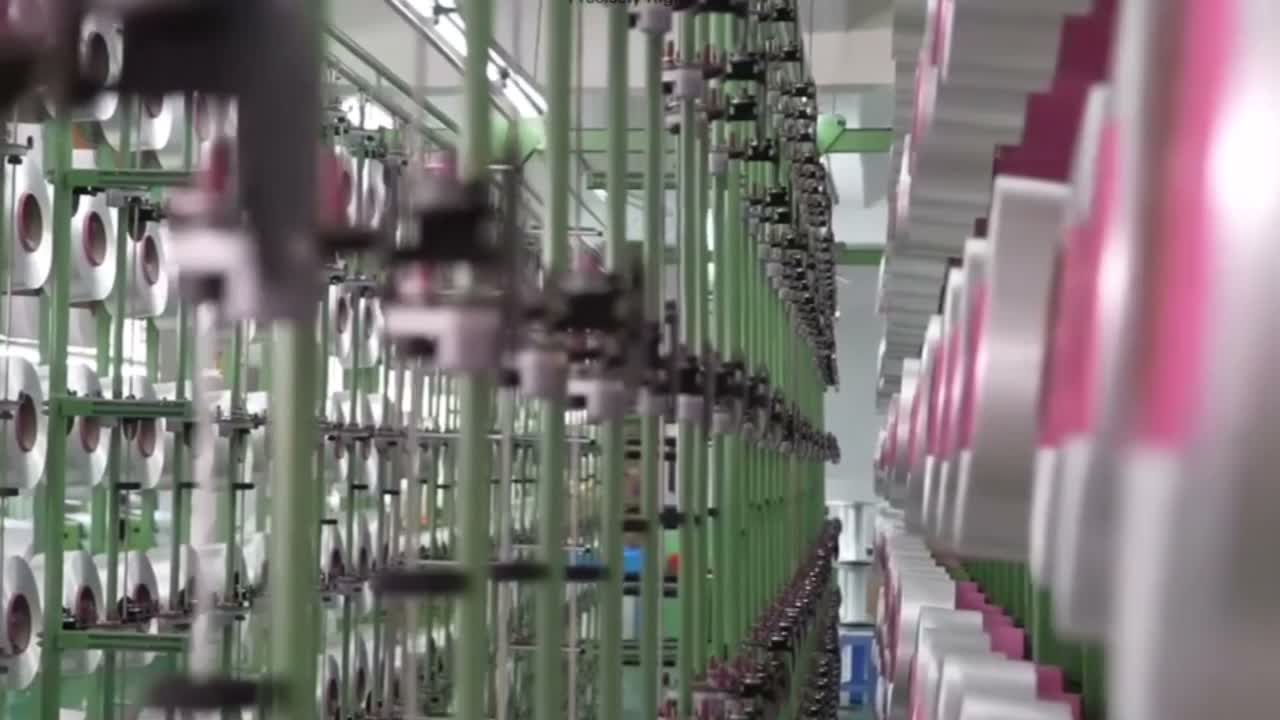
Lead time, sampling, and shipping assumptions
- Production calendar excludes artwork review, sample approval, or freight handover. Buyer counted factory run days as the complete delivery lead time. Check whether 15-20 business days starts after order details are confirmed. Add approval and transit buffers before issuing the purchase order.
- Bulk ribbon differs from the signed sample at the QC bench. Sample approval did not define production checks or acceptable deviation limits. Compare retained sample, colour target, print placement, and packing before release. Hold shipment until QC photos and variance notes are approved.
- Freight date changes after cartons reach the loading dock. Forwarder booking, carton data, and destination clearance were left open. Check freight mode, pickup window, consignee readiness, and handover documents. Approve the shipment plan before packing finishes, not after dispatch.
- OEM and ODM ribbon development stalls during late artwork decisions. Sample room started without frozen files, colour targets, or proof ownership. Verify file version, proof notes, and the buyer approval owner. Assign one approver and lock revision control before bulk scheduling.
- Buyer receives partial timing updates after the order is running. Milestone reporting was not agreed before production release. Check update cadence for sampling, production, packing, booking, and handover. Document escalation contacts and required photos before the next gate.
Timeline elements to confirm before production
Prefer a calendar that separates approval work from factory run time. Lude Ribbon states standard bulk production is 15-20 business days after order details are confirmed; artwork review, sample approval, and shipping are added around that window. Put each owner, date, and required proof in the purchase order so delays are visible early.
Peak-season or urgent-order risks
Peak-season pressure exposes weak assumptions: sampling slots fill, carrier pickups move, and urgent changes compete with scheduled work. Complex programs such as jacquard, custom colour, large rosette, or sash runs should be quoted longer by quote request. If a launch date is fixed, approve the critical path before accepting a rushed ship date.
How to compare supplier quotes fairly
- Approved color reference for every quoted line: Keeps quote comparison tied to the same buyer-approved shade. Check lab dip, swatch, or sample photo against signed approval. Shade drift can trigger rejected cartons or split-lot complaints. Approve one color reference before shortlist scoring begins.
- Final artwork proof for printed ribbon orders: Logo scale and repeat direction affect waste and acceptance. Verify artwork file, scale, print direction, and physical proof. Unapproved proof changes can create reruns and charge disputes. Sign the final proof before purchase order release.
- Packing method and carton labeling match: Packing affects warehouse receipt, resale readiness, and freight claims. Compare inner pack, roll label, carton mark, and photo evidence. Mismatched packing can delay receiving or confuse store allocation. Add approved packing notes to the quote comparison file.
- Pre-shipment inspection record for bulk rolls: Inspection evidence protects payment approval and inbound claim position. Review QC photos, carton labels, and random roll measurements. Late defects leave fewer remedies after goods leave the factory. Hold release approval until the record matches the order file.
Quote fields that must match across suppliers
A fair quote starts with identical buying inputs across every supplier: material, construction, width, color target, order volume, packing, and delivery handoff. For gift and retail packaging ribbon solutions solutions, even a small change in ribbon face, roll presentation, or print coverage can move the quote into a different cost lane.
Hidden cost and quality tradeoffs
A low unit price can move work outside the quoted line: sample revisions, artwork cleanup, extra inner packs, roll changeovers, and rejected waste may appear later. When two offers look close, compare what is included, who pays for rework, and which proof records are available before funds are committed.
RFQ checklist before contacting a supplier
- Which ribbon processes have you produced in bulk: stock, printed, bows, or OEM? Capability fit affects sampling, print handling, packing labor, and reorder control. Supplier separates in-house work, subcontracted work, and proof responsibilities clearly. Hidden process gaps shift risk to late samples or inconsistent reorders. Shortlist only suppliers that document process ownership before quoting.
- How will you verify color, logo position, and run consistency before production? Approval evidence prevents sample-room decisions from drifting during the bulk run. They offer marked samples, artwork proof, and QC checkpoints for buyer sign-off. Unapproved changes can create usable stock that fails brand review. Record proof version and approval owner in the quote request file.
- What proof can you provide of export order handling and packing control? Packing choices affect carton count, labeling, handling damage, and receiving workflow. They describe packing method, label format, carton checks, and photo evidence. Warehouse surprises create rework, chargebacks, or slow goods-in clearance. Ask for packing photos or a packing standard with the quotation.
- Who owns corrective action if samples expose print, shade, or construction issues? Named ownership keeps revision loops from delaying approval and production release. Supplier states decision contacts, remake route, and approval gates before launch. Unclear ownership turns defects into price disputes or schedule pressure. Document escalation path before approving the supplier for the program.
Spec inputs to prepare
A mismatch between the buyer’s input pack and the factory’s quote basis creates the first failure mode. Use one controlled quote request file for material, width, color target, artwork, packing, and quantity range, then lock the revision date. That keeps later sample comments tied to the same buying baseline.
Commercial and delivery details to include
Commercial and delivery inputs should make the quotation comparable, not just cheaper. State the requested Incoterm, destination, packing expectation, sample approval route, and required shipment window. For Lude Ribbon, standard production is stated as 15–20 business days after confirmed details, with artwork review, sample approval, and shipping handled outside that window.
References: ISO 2859-1 sampling inspection standard; Wholesale Ribbons: A Guide to Buying in Bulk – mh-chine.com.
In conclusion
A bulk ribbon order is ready for approval only when the buying team has checked the specification, compared the minimum order and cost basis, verified the lead time, and documented what the approved sample or QC proof must match in production. For Lude Ribbon enquiries, that means separating stock ribbon, custom printed ribbon, ready-made bows or award ribbons, and quote request-based custom colour or width requirements so pricing, quantity, artwork, packing, and delivery assumptions are reviewed on the same basis.
Before moving from shortlist to purchase order, confirm any open quote request points with the supplier, review sample evidence where colour, print, width, or finish affects resale value, and assess supplier risk around communication, production timing, and repeat-order consistency. A clean quote request and sample handoff gives both buyer and factory a shared record for approval, production control, and later reorders.
Ribbon order FAQ
What should buyers confirm before ordering Ribbon Order?
Confirm that the order pack is complete: ribbon material and construction, width, colour target, print or artwork file, edge finish, winding, packing, labelling, and delivery destination. Ask each supplier to quote the SKU-specific minimum order in writing, state supplier-confirmed timing, separate sample or setup charges, disclose production risks, and confirm how the approved sample will be checked before bulk release.
How should buyers compare MOQ, lead time, and quote terms?
Compare minimum order, lead time, and quote terms only after every supplier prices the same specification and delivery basis. Require a written SKU-specific minimum order, supplier-confirmed timing, charge breakdown, packing assumptions, payment terms, and revision rules; then check whether a low quote depends on weaker material, outsourced printing, vague colour control, or unapproved substitutions.
What sample, quality, or supplier checks reduce risk?
Reduce risk by approving a physical sample against the written specification before the bulk ribbon order is released. Verify colour, hand feel, width, print placement, edge quality, winding, packaging, and barcode or label needs; also check supplier ownership of the process, export experience, audit or factory documentation if relevant, and whether QC findings trigger a corrected sample or written approval record.
quote request handoff: Send Specs for Review.
Keep exploring
Recommended buyer guides
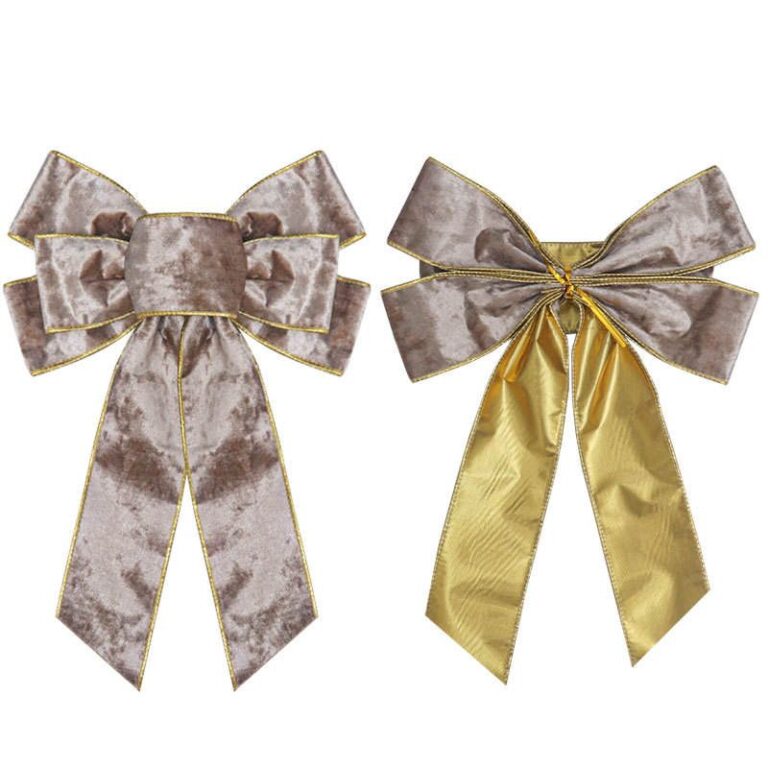 Pre-Tied Bows for Retail Packaging: When They Reduce Labor and Rework
See when pre-tied bows reduce retail packaging labor, improve consistency, and simplify bulk packing, SKU planning, and reorders
Explore guide
Pre-Tied Bows for Retail Packaging: When They Reduce Labor and Rework
See when pre-tied bows reduce retail packaging labor, improve consistency, and simplify bulk packing, SKU planning, and reorders
Explore guide
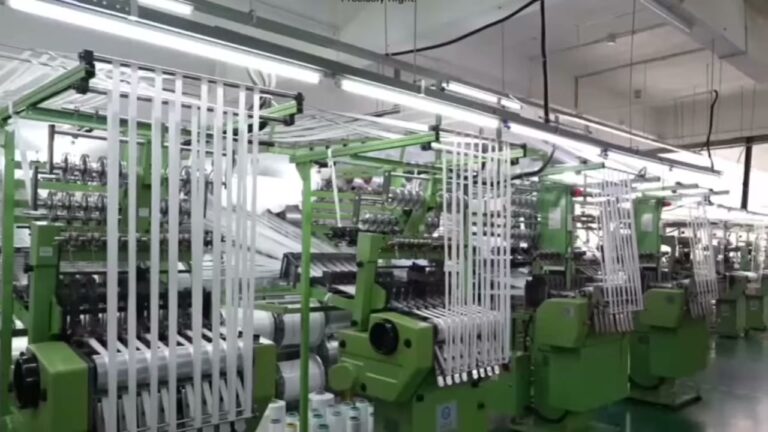 Velvet Ribbon Wholesale Checklist: MOQ, Finish, and Supplier Questions
Evaluate velvet ribbon wholesale options: MOQ, setup fees, unit cost, and packing. Narrow the list before requesting samples…
Explore guide
Velvet Ribbon Wholesale Checklist: MOQ, Finish, and Supplier Questions
Evaluate velvet ribbon wholesale options: MOQ, setup fees, unit cost, and packing. Narrow the list before requesting samples…
Explore guide
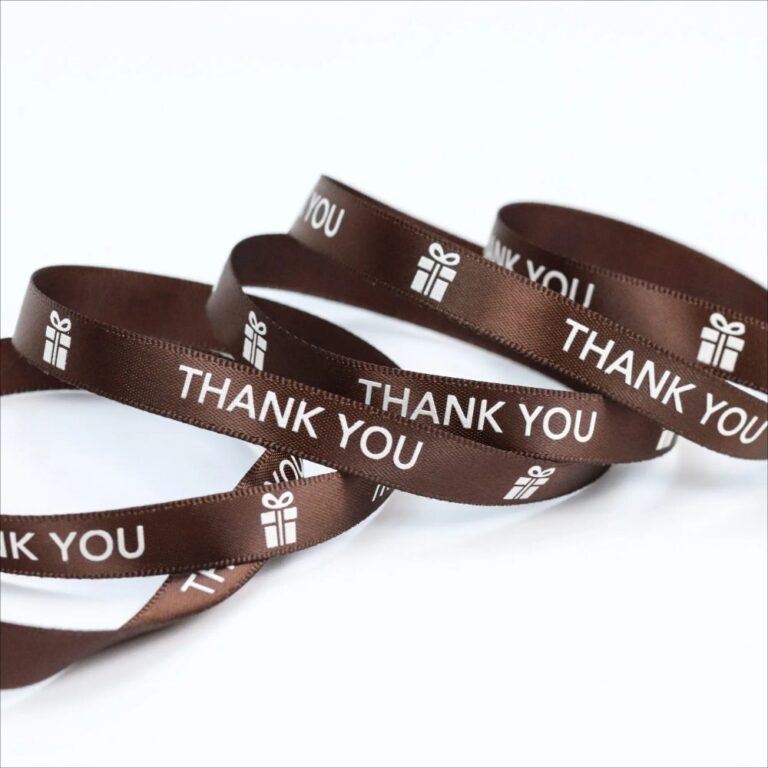 Wholesale Custom Ribbon with Logo: Specs, Roll Length, and RFQ Checks
Step-by-step: Custom Ribbon With Logo. Check artwork files, print method, color target, and sample approval to avoid delays,…
Explore guide
Wholesale Custom Ribbon with Logo: Specs, Roll Length, and RFQ Checks
Step-by-step: Custom Ribbon With Logo. Check artwork files, print method, color target, and sample approval to avoid delays,…
Explore guide
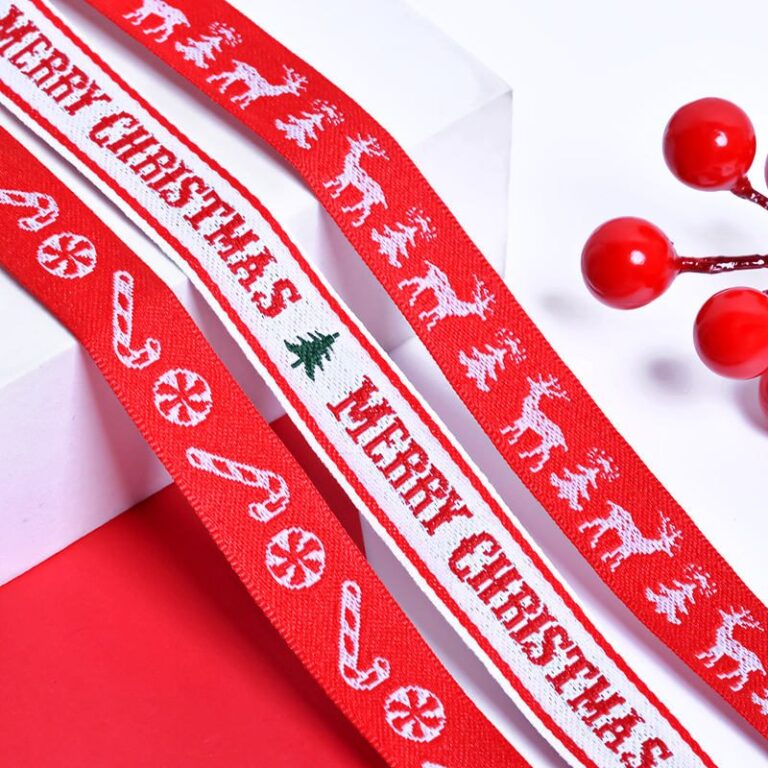 Wholesale Ribbon By The Roll: Roll length and inventory planning
Evaluate Wholesale Ribbon By The Roll options: factory capability, QC proof, lead time, and reorder reliability. Narrow the…
Explore guide
Wholesale Ribbon By The Roll: Roll length and inventory planning
Evaluate Wholesale Ribbon By The Roll options: factory capability, QC proof, lead time, and reorder reliability. Narrow the…
Explore guide
Leave a comment
Share a sourcing question or feedback on this guide. The Lude team reviews submissions before following up.