


Bulk Organza Ribbon: Bulk order planning
Which Bulk Organza Ribbon options deserve an RFQ? Compare factory capability, QC proof, lead time, and reorder reliability to find the right production
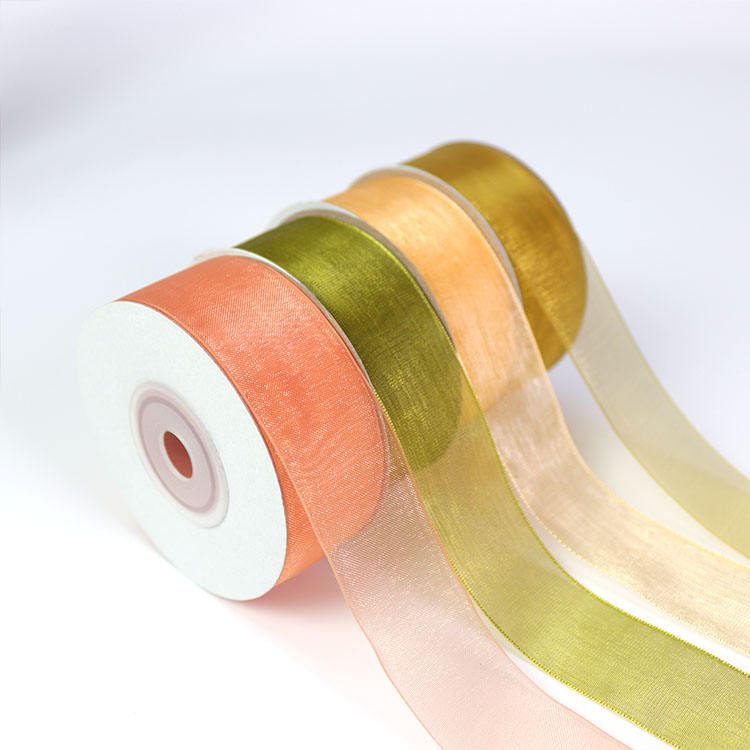
The sourcing record for bulk organza ribbon is incomplete until it supports this Shortlist supplier options and understand what makes one supplier safer than another.
Organza is quoted by the roll and consumed by the yard, and the two rarely divide evenly. Roll length is where the waste gets decided.
Direct answer: For bulk organza ribbon, buyers should shortlist supplier options and understand what makes one supplier safer than another.
What buyers should compare when sourcing organza ribbon
- Supplier capability: Verify the supplier produces organza ribbon in-house, not just resells. Factory shares loom type, width range, and color-matching process for organza. Supplier cannot describe how they handle organza's fraying or edge finish. Request a factory capability sheet listing organza-specific equipment and experience.
- MOQ or order quantity: Compare MOQ for stock vs. custom organza ribbon colors and widths. Stock organza ribbon starts at 1,500 yards; custom requires RFQ confirmation. Supplier quotes a fixed low MOQ without clarifying stock or custom conditions. Separate your order into stock and custom items, then confirm each minimum order by RFQ.
- Quality control: Check how the supplier measures organza ribbon width and color consistency. Supplier uses a calibrated width gauge and Pantone light booth for every batch. No documented QC step for organza's sheerness or dye lot variation. Ask for the QC checklist and request a pre-production sample for width and color approval.
- Verification method: Confirm the sample approval process before bulk organza ribbon production. Supplier requires signed-off sample and provides a written approval gate. Supplier starts bulk run without written sample sign-off or tolerance agreement. Document the sample approval rule: no bulk production until you approve the physical sample.
- The risk is that Evaluate lead time and reorder terms for organza ribbon after first order. Standard production lead time is 15-20 business days after spec confirmation. Supplier cannot commit to a reorder lead time or charges a new sampling fee. Shortlist suppliers who provide reorder terms and a clear lead-time window in writing.
Factory capability evidence to request
Ask the supplier for proof of in-house organza ribbon production, not just resale. Request a capability sheet listing loom types, width range, and color-matching process. A factory that handles organza's fraying and edge finish directly can better control quality and lead time.
MOQ, sampling, lead-time, and reorder terms to compare
Separate your order into stock and custom organza ribbon items. Stock colors and widths start at 1,500 yards; custom requires RFQ confirmation. Standard production lead time is 15-20 business days after spec approval. Confirm reorder terms and whether a new sample is needed for repeat orders.
Communication, packing, and export-readiness signals
Evaluate how the supplier communicates sample feedback and packing requirements. A strong signal is a clear export process with proper labeling and carton markings. Risk signals include vague packing specs or no export documentation experience. Shortlist suppliers who provide written packing and shipping terms.
Product and specification checks before shortlisting
For organza ribbon, use a release rule: approve only when the supplier evidence matches the written requirement.
- Does the supplier have documented experience producing sheer organza ribbon in the width and color target you need? A factory that regularly runs organza knows how to handle the edge-fray risk and tension settings for sheer material. Without this capability, your custom printed ribbon may show uneven dye absorption or loose weave edges. The supplier shares a spec sheet showing organza ribbon widths across the required range and a Pantone dye-matching record for at least five sheer colors. Approving a supplier without organza-specific loom experience can lead to width variation, color drift, or edge fray that fails your packaging or event specification. Request a capability statement listing organza ribbon production volumes and the width range they run regularly.
- What verification method do you use to confirm that the organza ribbon matches the approved sample before shipment? A clear verification method—such as inline width measurement and visual color check under buyer-approved viewing conditions—prevents the bulk run from drifting off the pre-production sample. Without it, you risk receiving ribbon that does not match your approval. The supplier describes a documented QC gate: they measure width with a calibrated ruler, compare color against the approved Pantone standard, and hold the lot until the QC manager signs off. If the supplier has no verification method, you may receive organza ribbon that is off width or has a visible color shift, causing rework or rejection at your facility. Ask for a copy of their in-process inspection checklist and the pass/fail criteria for width and color.
- What is the approval risk if we skip a pre-production sample for a custom printed ribbon order? Skipping the sample removes the only chance to catch print registration, ink adhesion, or color match issues before bulk production. For organza ribbon, the sheer substrate can cause ink to appear lighter or bleed differently than on paper proof. The supplier insists on a pre-production sample for any custom printed ribbon and explains that they use the sample to set print pressure, speed, and ink viscosity for the organza material. Without a sample, you may receive organza ribbon with misaligned print, faded ink, or poor adhesion that cannot be corrected after cutting and packing. Require a pre-production sample on organza substrate and approve it in writing before the production run starts.
- What buyer follow-up is needed after we approve the sample and before the bulk order ships? A clear follow-up step—such as a mid-production photo check or a pre-shipment inspection—ensures the bulk run stays within the approved specification. Without it, production issues may go unnoticed until the container arrives. The supplier offers a mid-run photo update showing the ribbon on the loom and a final QC report with width, color, and yardage measurements before packing. If you do not follow up, the supplier may ship organza ribbon that differs from the sample due to dye lot variation or machine drift, and you will have no record to dispute the discrepancy. Schedule a mid-production check and a pre-shipment inspection, and confirm the QC report format with the supplier before the order starts.
- Which specification details—width, color target, finish, and customization—must be locked before the quote request? Locking the exact width, Pantone or CMYK color target, finish (sheer, matte, or printed), and any customization (edge stitching, custom printed ribbon design) prevents the supplier from quoting on assumptions that later cause price or lead-time changes. The supplier provides a spec template that asks for width in inches, color reference number, finish type, and a clear description of any custom printed ribbon artwork or bow-making requirement. If you leave any specification detail open, the supplier may quote based on a standard width or stock color that does not match your actual need, leading to change orders or delays. Complete a spec sheet with all locked details and attach it to the quote request before requesting pricing.
Printing, bow-making, packing, and inspection capability
Verify the factory's printing capability for organza ribbon: oil ink printing works well for sheer material, while heat transfer offers finer detail. Bow-making capacity should match your volume and design complexity. Packing options such as spool, roll, or flat fold affect shipping cost and end-use handling. Inspection capability includes in-line width checks and final QC for color and print registration before shipment.
MOQ, cost, sample, and lead-time questions
| Criteria | Baseline option | Confirmed option | Buyer meaning | Risk to avoid | Follow-up |
|---|---|---|---|---|---|
| Specification details | Supplier provides a written spec sheet with width, material, and color target before quoting | Supplier quotes from a generic product description without confirming your exact spec | A written spec sheet locks both parties to the same measurement and material grade, reducing sample mismatches. | Without a confirmed spec, you may receive a sample that fails width tolerance or color match, delaying approval. | Request a spec sheet in the RFQ and verify width with a caliper on the first sample. |
| Cost driver | Supplier breaks out cost by material grade, width, and dye method in the quote | Supplier gives a single unit price without cost drivers | Itemized cost lets you compare where the money goes and negotiate on specific line items. | A lump-sum price hides whether the ribbon uses lower-grade yarn or a cheaper dye process that may not hold color. | Ask for a cost breakdown by material, width, and color method before shortlisting. |
| Quality control | Supplier runs in-line width and color checks during production and provides a QC report | Supplier inspects only finished rolls before packing | In-line checks catch defects early, reducing the chance of a full batch failing final inspection. | End-of-line inspection alone can miss consistent width drift or color shift across the run. | Confirm the QC checkpoint stage and request a sample of the QC report format. |
| Approval risk | Supplier requires a signed approval on a pre-production sample before bulk production | Supplier starts bulk production after a digital photo approval | A signed physical sample approval creates a clear pass/fail gate before the factory cuts material. | Digital photos can hide color variation, edge finish defects, or width inconsistency that only a physical sample reveals. | Insist on a physical pre-production sample and document the approval in writing. |
| MOQ or order quantity | Supplier offers a clear MOQ per color and width, with stock ribbon starting at 1,500 yards and custom by RFQ | Supplier states a single MOQ for all ribbon types without distinguishing stock from custom | A tiered MOQ lets you order stock colors at lower minimums and plan custom runs with confirmed lead time. | A flat MOQ may force you to over-order a custom color when you only need a trial quantity. | Separate stock and custom MOQ in the RFQ and confirm lead time for each. |
For specification details, a poor decision can mean without a confirmed spec, you may receive a sample that fails width tolerance or color match, delaying approval. Request written proof and compare it with the approved sample or specification, then request a spec sheet in the quote request and verify width with a caliper on the first sample.
For organza ribbon, preserve the specification details decision under one revision number: keep the supplier response, marked sample, approved specification, quotation, and approval owner together. If the evidence conflicts with the approved record, hold the quote, sample, or production release until the deviation is explained in writing. Carry that signed minimum order, cost, sample, and lead-time questions record into the purchase order, production handoff, shipment release, and later reorder review so every team works from the same baseline.
How to compare quote assumptions across suppliers
When you receive quotes for organza ribbon, check whether each supplier lists the same width, material grade, and color target. A quote that assumes a different width or a lower-grade yarn will appear cheaper but may not match your spec. Ask each supplier to confirm the exact measurement method and dye process before comparing unit prices.
When low unit price creates quality or delay risk
A low unit price on organza ribbon often means the supplier uses a thinner yarn, a faster dye cycle, or skips in-line width checks. These shortcuts can cause color fade after washing or inconsistent ribbon width across the run. OEM and ODM ribbon development requires tight spec control; a low price that ignores spec risk can delay your entire production schedule.
Quality and communication red flags
- Supplier cannot produce a pre-production sample matching Pantone within one round. Color drift on sheer organza is common; multiple rounds delay your launch and increase sampling costs. Ask the supplier to confirm their color-matching process and number of revision rounds included in the sample fee. Written sample approval policy and a photo of the first sample against your Pantone chip under daylight. Shortlist only suppliers who guarantee color match within two rounds.
- Factory has no documented organza ribbon QC check for width tolerance and edge finish. Organza frays easily; inconsistent width causes waste in gift and retail packaging ribbon solutions solutions. Request the QC checklist for organza ribbon, including width measurement and edge inspection steps. A signed QC record from a recent organza ribbon order showing pass/fail results. Approve only after reviewing the QC document and comparing it to your own width tolerance.
- Supplier cannot provide a comparable quote from a past organza ribbon order for a similar quantity. Without a reference quote, you cannot verify pricing consistency or hidden cost add-ons. Ask for a redacted invoice or quote from a previous order of a similar quantity of organza ribbon. A dated quote showing yardage, unit price, and lead time for a comparable product. Use that quote as a baseline to negotiate your quote request terms.
- Supplier does not offer a physical sample before bulk production and relies only on digital proofs. Digital proofs hide weave density, hand feel, and translucency differences critical for organza. Insist on a physical pre-production sample; offer to pay shipping if needed. Tracking number for the sample shipment and a photo of the sample on a ruler for scale. Hold bulk approval until the physical sample is received and inspected.
- Supplier has no repeat-order protocol for color and width consistency across production runs. Without a repeat-order record, your next batch may differ from the approved sample, causing rework. Ask how they maintain color and width specs across multiple runs for the same product code. A repeat-order checklist or a documented reorder process from their quality manual. Include a repeat-order clause in your contract requiring written spec confirmation before each run.
Artwork, color, and sample approval gaps
Organza's sheer weave makes color matching harder than on solid ribbons. A supplier that cannot confirm Pantone accuracy in one revision round risks delaying your packaging launch. Always request a physical pre-production sample under daylight, not a digital proof. Compare it against your target color chip and measure width at three points before approving bulk production.
Packing, labeling, and repeat-order control risks
Inconsistent packing or missing labels on organza rolls cause waste at your fulfillment center. Without a repeat-order protocol, the next batch may differ in shade or width from the approved sample. Ask the supplier for their standard packing specification and a documented reorder process. Include a clause requiring written spec confirmation before every subsequent production run.
How to move from shortlist to RFQ
Build the organza ribbon quote request around Exact organza ribbon width, color target, and material grade. Match every listed buyer input to written supplier confirmation, approval evidence, and the risk that would hold the quote.
- Exact organza ribbon width, color target, and material grade. Width tolerance and dye method affect fit and appearance; material grade determines stiffness and translucency. Specify the width and tolerance, Pantone 14-4103, and polyester organza. Supplier may ship a different width or color batch, causing rework or rejection. Send a written specification sheet with tolerances and ask the supplier to confirm they can meet each parameter.
- Order quantity and unit of measure. minimum order thresholds vary by product type; quantity drives cost per yard and production scheduling. Plain stock organza ribbon from existing inventory starts at 1,500 yards; custom colors require quote request confirmation. Supplier may quote a higher per-yard price or reject the order if quantity falls below their minimum order. State your required quantity and unit, then ask the supplier to confirm minimum order and price break.
- Required delivery date and lead time expectation. Standard production lead time is 15–20 business days after spec confirmation; urgent orders may need expedite fees. Request delivery by March 15, 2026, with production start after sample approval on February 1. Supplier may commit to a lead time they cannot meet, causing stockout or late delivery penalties. Ask the supplier to confirm their current production lead time and whether they can meet your required date.
- Cost drivers: material, printing, and packaging. Custom dye, printed designs, and special packaging add cost; understanding drivers helps compare quotes fairly. Printed organza ribbon with one-color logo and polybag packaging costs more than plain stock ribbon. Hidden costs for artwork setup, color matching, or packaging may inflate the final invoice. Request a line-item breakdown of material, printing, packaging, and tooling costs in the quote.
- Quality control evidence: sample approval and inspection plan. Pre-production samples confirm color, width, and print registration before bulk production. Require a sample for color and width check; ask for an inspection report before shipment. Bulk production may proceed with unapproved specs, leading to off-color or misaligned print. Write a sample approval gate into the quote request: supplier must submit a pre-production sample for sign-off before production starts.
Quote-ready inputs to send
Before you request a quote, gather the exact organza ribbon width, color target, material grade, and quantity. Include your required delivery date and any printing or packaging needs. Suppliers need these details to calculate accurate lead times and costs. Missing inputs can cause mismatched quotes or delayed production.
Sample checks before deposit or approval
Always request a pre-production sample before approving bulk production. Measure the width with a caliper, compare the color against your Pantone reference under daylight, and check print registration. A sample that passes these checks reduces the risk of off-spec bulk goods. Document the approval in writing to hold both parties accountable.
In conclusion
Before approving a organza ribbon supplier, verify that the exact width, color target (Pantone or thread match), and material construction are documented in the quote request and confirmed on a pre-production sample. Compare the quoted minimum order and per-yard cost against your program volume—plain stock ribbon from existing inventory starts at 1,500 yards, while custom colors or widths require an quote request confirmation, and printed ribbon begins at 3,000 yards per design. Standard production lead time runs 15–20 business days after all specifications are finalized, so factor this into your delivery schedule.
Reduce supplier risk by checking that the factory has experience with organza ribbon specifically, not just general ribbon production. Request a proof of the artwork or color match before approving bulk production, and document the packing and labeling requirements in the order. Once the sample passes your quality checks and the quote terms are clear, shortlist the supplier and hand off the confirmed quote request to your procurement team for the final purchase order.
Organza ribbon FAQ
What should buyers confirm before ordering Organza Ribbon?
Before ordering organza ribbon, confirm the exact width, color target (Pantone reference), and material construction (woven sheer polyester) with the supplier. For stock colors and widths, plain organza ribbon starts at 1,500 yards, while custom colors or widths require an quote request to verify cost and minimum order. Always request a pre-production sample to check color accuracy, ribbon hand feel, and edge finish; measure the width against your spec and document approval before production. Confirm production lead time after specifications and sample approval are fixed.
How should buyers compare MOQ, lead time, and quote terms?
Compare minimum order, lead time, and quote terms by first separating plain stock ribbon from custom or printed organza. Stock ribbon from existing inventory colors and widths begins at 1,500 yards, while custom colors or widths must be confirmed by quote request. Printed organza ribbon starts at 3,000 yards per design. Standard production lead time is 15–20 business days after spec confirmation. Shortlist suppliers who provide a clear quote breaking down material cost, setup fees, and shipping; verify the lead time in writing and check if sample approval is required before bulk production.
What sample, quality, or supplier checks reduce risk?
Reduce supplier risk by verifying that the factory has experience with organza ribbon specifically—sheer woven polyester requires careful tension control during weaving and dyeing. Request a pre-production sample, measure width and color against your approved spec, and document the approval. Check packing and labeling consistency to avoid warehouse confusion. After sample approval, follow up with a formal quote request that includes your confirmed spec, quantity, and delivery window to lock in cost and lead time.
quote request handoff: Send Specs for Review.
Keep exploring
Recommended buyer guides
 Velvet Ribbon Wholesale Checklist: MOQ, Finish, and Supplier Questions
Evaluate velvet ribbon wholesale options: MOQ, setup fees, unit cost, and packing. Narrow the list before requesting samples…
Explore guide
Velvet Ribbon Wholesale Checklist: MOQ, Finish, and Supplier Questions
Evaluate velvet ribbon wholesale options: MOQ, setup fees, unit cost, and packing. Narrow the list before requesting samples…
Explore guide
 Wholesale Ribbon By The Roll: Roll length and inventory planning
Evaluate Wholesale Ribbon By The Roll options: factory capability, QC proof, lead time, and reorder reliability. Narrow the…
Explore guide
Wholesale Ribbon By The Roll: Roll length and inventory planning
Evaluate Wholesale Ribbon By The Roll options: factory capability, QC proof, lead time, and reorder reliability. Narrow the…
Explore guide
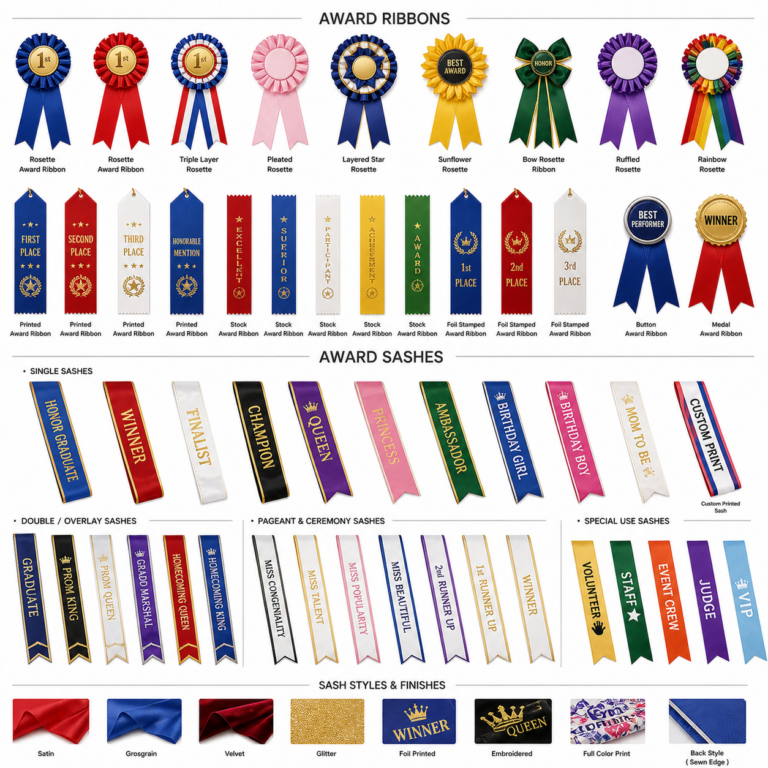 Award Ribbons Wholesale: Bulk award ribbon supplier checks
Shortlist Award Ribbons Wholesale suppliers by factory capability, QC proof, lead time, and reorder reliability. See which options…
Explore guide
Award Ribbons Wholesale: Bulk award ribbon supplier checks
Shortlist Award Ribbons Wholesale suppliers by factory capability, QC proof, lead time, and reorder reliability. See which options…
Explore guide
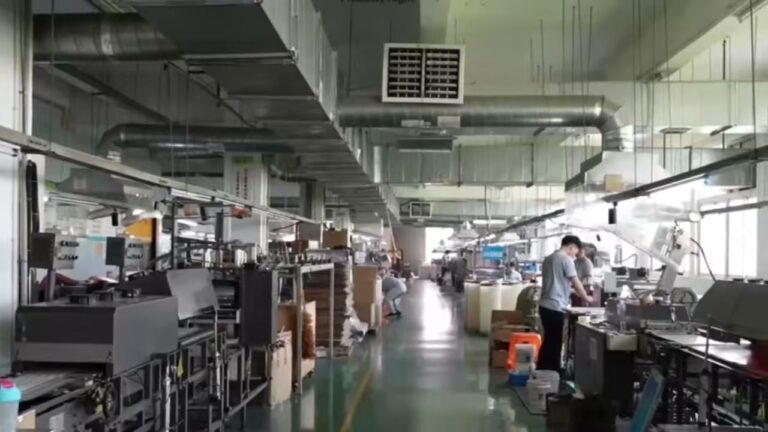 Wholesale Ribbon Manufacturers: Factory vs Trading Company Checklist
Evaluate Wholesale Ribbon Manufacturers options: factory capability, QC proof, lead time, and reorder reliability. Narrow the list before…
Explore guide
Wholesale Ribbon Manufacturers: Factory vs Trading Company Checklist
Evaluate Wholesale Ribbon Manufacturers options: factory capability, QC proof, lead time, and reorder reliability. Narrow the list before…
Explore guide
Leave a comment
Share a sourcing question or feedback on this guide. The Lude team reviews submissions before following up.