


Bulk Holiday Bows: Pre-tied bows for seasonal programs
Evaluate Bulk Holiday Bows options: factory capability, QC proof, lead time, and reorder reliability. Narrow the list before requesting samples or quotes
Bulk holiday bows need a written specification before the buyer can shortlist Bulk Holiday Bows suppliers using proof, capability, quality, MOQ, and delivery criteria; otherwise suppliers may quote different product and approval assumptions.
Pre-tied holiday bows are ordered by the carton and judged by how they look after shipping. Pack density is part of the specification.
Direct answer: For bulk holiday bows, compare matched samples, documented production capability, quality records, quantity rules, and delivery assumptions on the same basis.
What buyers should compare when sourcing holiday bows
- Bow production capability: Verify in-house bow tying, printing coordination, sampling, and bulk packing workflow. Supplier shows sample-room output, QC bench records, and export packing examples. Outsourced handwork appears late, with uneven loops or untraceable batches. Shortlist only after reviewing sample photos, process steps, and packing proof.
- Order quantity fit: Compare required pieces against supplier minimums; confirm custom colour or width by RFQ. Ready-made bows are quoted from 1,000 pieces per style or colour. Supplier accepts small trial volume but changes price or materials later. Lock quantity break, reorder rule, and variant count before quote comparison.
- QC sampling discipline: Check whether inspections use documented sampling, defect categories, and batch records. Inspection plan follows a recognized sampling standard such as ISO 2859-1. QC relies on final carton photos without measured defect acceptance rules. Require inspection checklist, defect definitions, and retained sample before production release.
- Verification proof package: Verify physical sample, colour target, print position, carton mark, and packing method. Supplier keeps dated approval records tied to the approved production sample. Approval depends on screenshots, chat messages, or unlabelled sample photos. Approve only a labelled sample file with buyer sign-off and revision control.
- Approval risk control: Check who can approve changes after sample sign-off and bulk cutting starts. Supplier uses written change logs before adjusting colour, packing, or construction. Sales team accepts changes verbally, creating mismatch risk at inspection. Name the approval owner and require written confirmation for any deviation.
Factory capability evidence to request
The useful proof is not a catalogue page. Ask for current bow samples, production-floor photos, packing examples, and evidence that the supplier handles sampling, printing coordination, QC, and export preparation as a linked workflow. This separates a bow producer from a trader who may only assemble orders after receiving a deposit.
MOQ, sampling, lead-time, and reorder terms to compare
Use the quote stage to test order control. Lude Ribbon’s ready-made bows and award ribbons start from 1,000 pieces per style or colour, while custom colour and custom width need RFQ confirmation. Standard bulk production is listed as 15–20 business days after confirmation, with sampling, artwork review, and shipping planned separately.
Communication, packing, and export-readiness signals
Strong suppliers make seasonal orders easier to track. Look for clear English quote records, carton marking plans, packing photos, and a named contact who can answer production and shipping questions without rewriting the order each time. Weak communication often shows up first in mixed cartons, unclear labels, and slow correction cycles.
Product and specification checks before shortlisting
- Which bow style, ribbon material, width, finish, and colour target are quoted? Aligned inputs prevent suppliers pricing different holiday bow specifications. Quote repeats buyer specification codes and separates custom-colour assumptions. Shortlisting on uneven specs hides cost, tolerance, and approval exposure. Issue one controlled specification sheet before comparing supplier offers.
- Can your factory make samples, printed ribbon, bows, and packing in sequence? Linked processes reduce handoff errors before seasonal shipment windows close. Supplier explains sample room, printing, bow-making, packing, and export handoffs. Outsourced steps can blur accountability for colour, shape, or carton damage. Ask for process photos and sample-stage approval records.
- How will inspection check bow shape, colour match, tails, and packing count? QC criteria turn visual preferences into measurable receiving checks. Inspection plan names checkpoints at materials, production, packing, and final review. Loose inspection wording leaves defects disputed after delivery or shelf setup. Approve a signed sample and inspection checklist before production release.
- What order threshold and schedule apply after artwork and specifications are approved? Seasonal programs fail when quantities and dates are confirmed too late. Supplier states the ready-made bow MOQ or the RFQ-based custom variables. Late quantity changes can force resampling, repricing, or missed promotion dates. Record MOQ and lead time assumptions in the comparison file.
- Which sample differences must trigger buyer reapproval before bulk production continues? Written limits stop unapproved substitutions entering a retail holiday program. Supplier marks colour, width, print, bow size, and packing approval limits. Minor-looking changes can create mixed displays or brand rejection. Add reapproval triggers to the purchase order and supplier checklist.
Material, width, color, finish, and customization range
For shortlisting, use a single product file that shows the material family, finished bow size, ribbon width, surface finish, colour reference, and any logo or seasonal artwork. Holiday ranges often mix shelf-ready stock colours with custom decoration, so the buyer should separate fixed design choices from items the supplier must quote or sample.
Printing, bow-making, packing, and inspection capability
Capability checks should look at how the supplier moves an approved design through printing, bow forming, packing, and final review. A factory-side answer is stronger when it names the approval gate, shows where cartons are checked, and explains how repeat orders keep the same colour and construction reference.

MOQ, cost, sample, and lead-time questions
| Criteria | Baseline option | Confirmed option | Buyer meaning | Risk to avoid | Follow-up |
|---|---|---|---|---|---|
| Specification completeness needed for quote parity | Approved bow style, material, width, color target, packing, and artwork | Generic seasonal bow request with missing dimensions and finish references | Comparable inputs let procurement compare factory prices without hidden scope changes | Missing specs allow substitutions, rework, or disputed sample approval | Attach a controlled spec sheet before asking suppliers to quote |
| Cost drivers separated from quoted unit price | Material, construction, printing, packing, and freight assumptions itemized separately | Single blended price with no cost-driver breakdown or packaging basis | Procurement can test where savings change specification, labor, or logistics | Low price may hide thinner ribbon, weaker bow shape, or packing shortcuts | Request revised quotes against the same material and packing assumptions |
| Quality control checkpoint before bulk release | Sample room approves color, bow shape, print position, and tie security | Bulk order starts after catalogue image or verbal style approval | Factory acceptance criteria become measurable before production begins | Unclear standards push defects into inspection, cartons, or customer returns | Approve a sealed sample and record checks for QC bench inspection |
| MOQ and order quantity fit for buying plan | Ready-made bows quoted from 1,000 pieces per style and colour | Custom colour, width, or program split confirmed by RFQ | Quantity planning shows whether consolidation or style reduction is needed | Fragmented orders can miss feasible production lots or raise handling costs | Shortlist suppliers after documenting MOQ basis, split rules, and reorder plan |
| Lead-time gate tied to final approval status | Standard production runs 15-20 business days after confirmed specifications | Artwork review, sample approval, complex metallic ribbon programs quoted separately | Delivery planning starts after approvals, not after first inquiry | Unapproved details can compress shipping time or force late substitutions | Document approval date, production window, freight mode, and launch deadline |
For specification completeness needed for quote parity, a poor decision can mean missing specs allow substitutions, rework, or disputed sample approval. Request written proof and compare it with the approved sample or specification.
Preserve the specification completeness needed for quote parity decision under one revision number: keep the supplier response, marked sample, approved specification, quotation, and approval owner together. If the evidence conflicts with the approved record, hold the quote, sample, or production release until the deviation is explained in writing. Once the buyer and designated technical authority have accepted the evidence, carry the signed approval record into the purchase order, production handoff, shipment release, and later reorder review so every team works from the same baseline.
How to compare quote assumptions across suppliers
Quote sheets need a shared base unit: finished bow size, carton method, artwork status, Incoterm or freight handoff, and who owns sample approval. Put revisions in writing so one supplier doesn't price one packing method while another prices a different one. That makes the shortlist a commercial comparison, not a guessing exercise.
When low unit price creates quality or delay risk
A low unit price is useful only when it survives the sample bench and the packing test. Thin ribbon, loose knots, weak print coverage, or crushed cartons create chargebacks that don't appear in the quote. We check the approval trail first, then judge whether the saving is real for the season.
Quality and communication red flags
- Quote is based on product photos, without sample approval evidence: Bulk bows may arrive with different loop shape, print placement, or color Hold shortlist status until the supplier maps artwork and sample sign-off Pre-production sample photos, approved artwork file, and color target reference Approve the sample record before issuing the purchase order
- Supplier cannot describe bow forming, tail trimming, or packing checks: Crushed loops or uneven tails can create store-level rejection risk Ask for QC bench checkpoints before comparing unit prices Inspection checklist, packed-carton photos, and carton mark confirmation Match packing proof against your receiving and shelf-display rules
- Quote hides minimum order terms for ready-made bows by style or color: Unclear order rules can distort replenishment planning and landed-cost comparison Request written quote request confirmation of 1,000 pieces per style or color Supplier quote showing minimum order, packing unit, and any consolidation limits Lock quantity assumptions before sample approval and budget release
- Messages avoid naming one approval owner for artwork or color: Correction cycles can slip because no one owns final sample authority Set a named contact and response rule for each approval step Revision log with file dates, sample comments, and approver name Proceed only when corrected files and sample notes match
- Packing labels are discussed after production, not during quote review: Wrong marks can delay receiving, allocation, or seasonal store launches Require label content and carton marks in the quotation pack Label mockup, carton mark draft, and packing list format Check these against retailer routing rules before deposit approval
Artwork, color, and sample approval gaps
For branded holiday bows, approval records should make the color target, print position, and sample status clear before bulk work starts. That matters across gift and retail packaging ribbon solutions solutions, where small shade or logo shifts are visible at shelf level. If the supplier’s answer stays verbal, keep the item pending until the file history is clear.
Packing, labeling, and repeat-order control risks
Seasonal programs need repeatable packing records, not only attractive bow photos. Check how the supplier names cartons, separates colors, and records pack counts for reorders. The goal is simple: your warehouse should receive the same item code and presentation on every shipment, even when the holiday program repeats months later.
How to move from shortlist to RFQ
For bulk holiday bows, build the quote request around the inputs below. Match every listed buyer input to written supplier confirmation, approval evidence, and the risk that would hold the quote.
- Approved bow style, material, width, finished size, colour target, and attachment: Lets suppliers price the same construction and quote comparable tooling needs Send artwork, reference sample, PMS target, packing photo, and measurement method Different factories quote different bows, hiding approval work and rework cost Require written specification confirmation before accepting any commercial comparison
- Order quantity by style, colour, size, and shipment split: minimum order changes with ready-made bows, printing, custom colour, and width Ready-made bows start at 1,000 pieces per style or colour Understated volume can trigger requotes, split-lot premiums, or late consolidation Ask supplier to confirm minimum order breaks and any negotiable quote request items
- Required delivery window, approval deadline, destination port, and shipping method: Production timing starts only after specifications, artwork, and samples are cleared Standard production is 15-20 business days after confirmed specifications Calendar quotes omit sample review, freight time, and seasonal loading pressure Document the latest approval date needed to protect store launch
- Decoration route, logo position, ribbon width, finish, and retail packing: These choices drive setup time, material yield, labour, and carton volume Separate printed tails, metallic ribbon, and custom packing as priced options Blended pricing masks changes that procurement later treats as supplier variance Request line-item quote notes for every variable cost driver
- Sample approval criteria for colour, bow shape, pull strength, and packing: Gives QC bench a measurable standard before bulk release Check approved sample against production pieces and export carton markings Loose approval records cause disputes over shade, symmetry, and shipment condition Keep signed sample photos and inspection notes with the purchase order
Quote-ready inputs to send
Build the quote request as a controlled buying file, not a chat thread. The supplier needs one version of the program scope, commercial terms to quote against, and any limits on substitutions. Keep questions open where evidence is missing, especially for custom colour or width, so the reply separates confirmed facts from items priced by review.
Sample checks before deposit or approval
Use the sample step to freeze what the factory will reproduce, not just to approve a photo. A physical bow shows hand feel, spring, knot position, and packing fit in ways a screen may miss. When the supplier returns comments, record which points are accepted, revised, or still pending before deposit release.
References: ISO 2859-1 sampling inspection standard; Wholesale Feather Flags Buying Guide: 2025 Pricing & Quality ..
In conclusion
The final approval for bulk holiday bows should rest on a controlled file, not on the lowest unit price alone. Check the bow style, ribbon material, finished size, colour target, artwork position, packing method, carton plan, and delivery window, then compare suppliers only after those points are priced on the same basis. Verify minimum order and cost by quote request, especially when custom colour, custom width, printing, or ready-made bow formats change the production scope.
Before releasing a seasonal order, document lead time from confirmed specifications through sample approval, production, QC, and shipping. Shortlist the supplier that can show sample or QC proof, explain how repeat orders will match the approved bow, and flag risks such as colour drift, weak attachment, crushed packing, or unclear export timing. Once those checks are complete, the buyer can hand off one quote request or sample pack for quotation, approval, and bulk production planning.
Holiday bows FAQ
What should buyers confirm before ordering Holiday Bows?
Confirm the bow style, ribbon material, width, finished size, colour target, attachment method, and packing format before ordering. For Lude Ribbon, ready-made bows start from 1,000 pieces per style/colour; custom colour or width should be confirmed in the quote request. Shortlist suppliers that can provide samples, artwork or colour approval records, QC photos, and written follow-up before bulk approval.
How should buyers compare MOQ, lead time, and quote terms?
Compare quotes only after each supplier prices the same specification, packing method, quantity, delivery term, and approval scope. Lude Ribbon’s standard production lead time is 15-20 business days after specifications are confirmed, with artwork review, sample approval, and shipping time added. Ask each supplier to state minimum order, cost basis, tooling or setup items if any, and quote assumptions in the quote request.
What sample, quality, or supplier checks reduce risk?
Reduce risk by checking whether the supplier has experience with holiday bows, ribbon materials, custom printing, packing control, and export coordination. Approve a physical sample against the quote request specification: shape, loop symmetry, colour, print position, knot or tie strength, attachment, and carton packing. If the sample differs, document corrections and request a revised sample or written QC standard before production.
Next step: Send Specs for Review.
Keep exploring
Recommended buyer guides
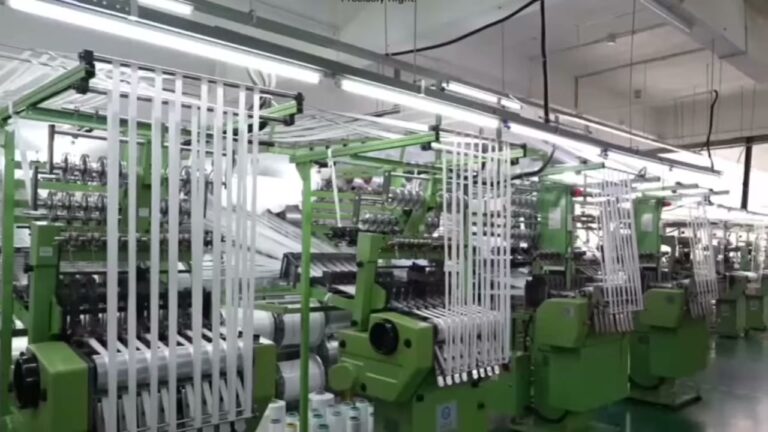 Velvet Ribbon Wholesale Checklist: MOQ, Finish, and Supplier Questions
Evaluate velvet ribbon wholesale options: MOQ, setup fees, unit cost, and packing. Narrow the list before requesting samples…
Explore guide
Velvet Ribbon Wholesale Checklist: MOQ, Finish, and Supplier Questions
Evaluate velvet ribbon wholesale options: MOQ, setup fees, unit cost, and packing. Narrow the list before requesting samples…
Explore guide
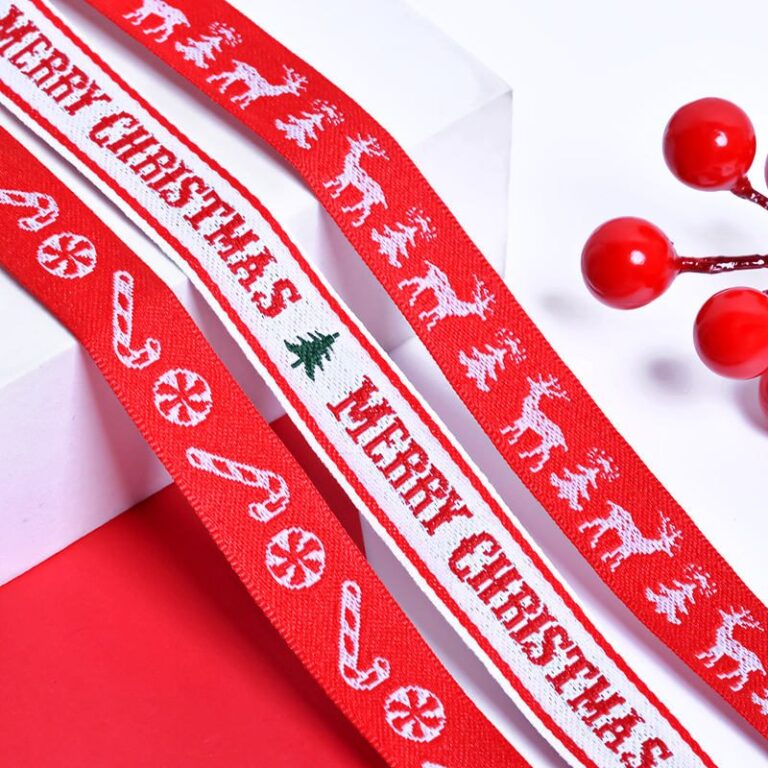 Wholesale Ribbon By The Roll: Roll length and inventory planning
Evaluate Wholesale Ribbon By The Roll options: factory capability, QC proof, lead time, and reorder reliability. Narrow the…
Explore guide
Wholesale Ribbon By The Roll: Roll length and inventory planning
Evaluate Wholesale Ribbon By The Roll options: factory capability, QC proof, lead time, and reorder reliability. Narrow the…
Explore guide
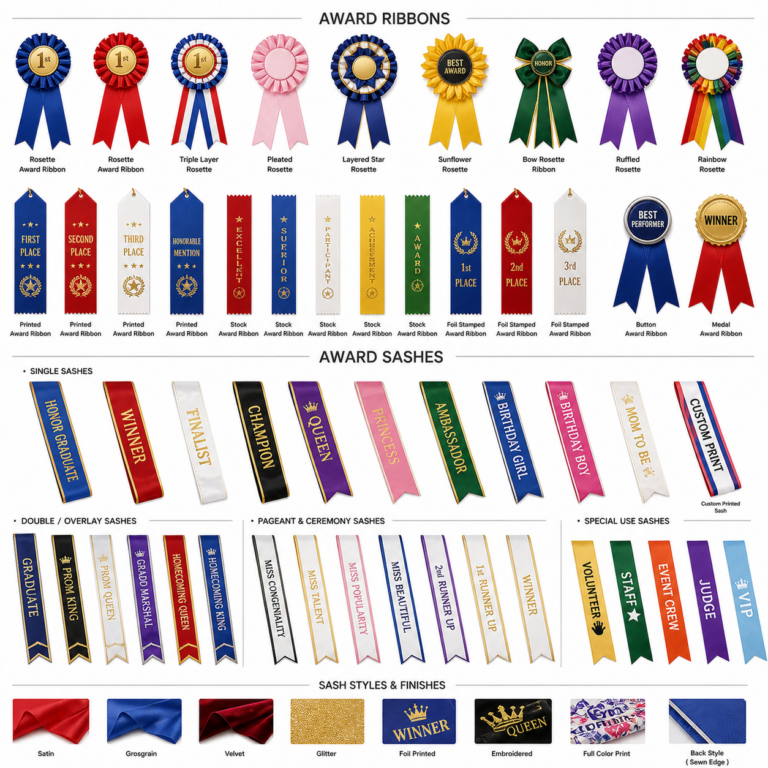 Award Ribbons Wholesale: Bulk award ribbon supplier checks
Shortlist Award Ribbons Wholesale suppliers by factory capability, QC proof, lead time, and reorder reliability. See which options…
Explore guide
Award Ribbons Wholesale: Bulk award ribbon supplier checks
Shortlist Award Ribbons Wholesale suppliers by factory capability, QC proof, lead time, and reorder reliability. See which options…
Explore guide
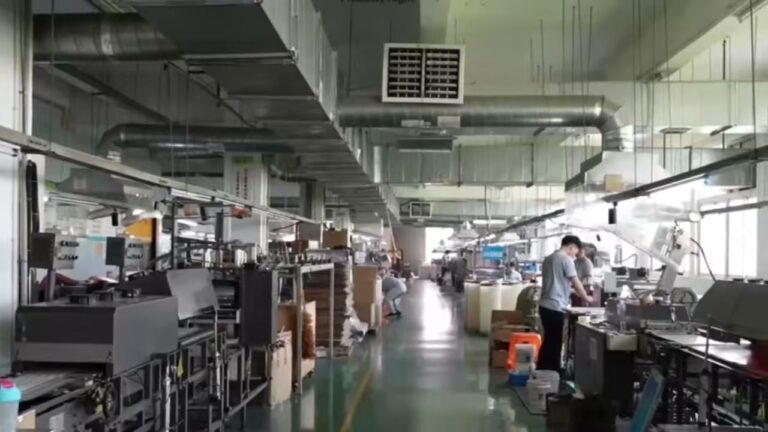 Wholesale Ribbon Manufacturers: Factory vs Trading Company Checklist
Evaluate Wholesale Ribbon Manufacturers options: factory capability, QC proof, lead time, and reorder reliability. Narrow the list before…
Explore guide
Wholesale Ribbon Manufacturers: Factory vs Trading Company Checklist
Evaluate Wholesale Ribbon Manufacturers options: factory capability, QC proof, lead time, and reorder reliability. Narrow the list before…
Explore guide
Leave a comment
Share a sourcing question or feedback on this guide. The Lude team reviews submissions before following up.