


Bulk Gift Bows Procurement Plan: Sample, Packing, and Reorder Controls
Which Bulk Gift Bows options deserve an RFQ? Compare factory capability, QC proof, lead time, and reorder reliability to find the right production partner

Bulk gift bows need a written specification before the buyer can shortlist Bulk Gift Bows suppliers using proof, capability, quality, MOQ, and delivery criteria; otherwise suppliers may quote different product and approval assumptions.
This guide connects bulk gift bows to parameters, cost impact, supplier risk, factory process, and procurement advice.
Direct answer: For bulk gift bows, compare matched samples, documented production capability, quality records, quantity rules, and delivery assumptions on the same basis.
What buyers should compare when sourcing gift bows
- Supplier capability: Verify the supplier manufactures bulk gift bows in-house, not just ribbon that is subcontracted for tying. Supplier shows dedicated bow-making machines and a sample-room video of bow assembly. Supplier cannot describe their bow production steps or outsources bow assembly without QC oversight. Request a factory capability sheet listing bow-making equipment and annual bow output.
- MOQ or order quantity: Compare the supplier's minimum order quantity per bow style and colour against your program volume. Supplier offers a clear MOQ per design and per colour, with no hidden per-run minimums. Supplier states a low minimum order but later adds a separate per-colour minimum that doubles your commitment. Confirm the minimum order per style and per colour in writing before requesting a sample.
- Quality control: Ask how the supplier inspects bow symmetry, ribbon tension, and adhesive or stitch integrity. Supplier uses a documented QC checklist with pass/fail criteria for bow dimensions and finish. Supplier relies on visual inspection only and cannot provide a sampling plan or defect limit. Request a copy of their bow QC checklist and the acceptable quality level (AQL) they apply.
- Verification method: Confirm the supplier provides a pre-production sample and a production sample before bulk shipment. Supplier offers a standard sample approval process with written sign-off before bulk production. Supplier ships bulk without a production sample or asks you to approve from a photo only. Require a physical pre-production sample and a production sample from the first run.
- Assess the supplier's process for approving artwork, colour, and bow construction before production. Supplier provides a clear approval timeline and a single point of contact for revisions. Supplier starts production before receiving written approval, leading to costly rework. Set a written approval gate for artwork, colour, and sample before any bulk order begins.
Factory capability evidence to request
Ask the supplier for a short video or photo set showing their bow-making line, including the machine type and the assembly station. A supplier that can demonstrate in-house bow production rather than subcontracting gives you direct control over quality and lead time. Request a capability sheet that lists annual bow output and the number of dedicated bow operators.
MOQ, sampling, lead-time, and reorder terms to compare
Compare each supplier's minimum order quantity per bow style and per colour, and confirm whether the minimum order applies per design or per colour. Ask for the sample approval process and the typical timeline from sample sign-off to bulk shipment. Clarify reorder terms: whether the same minimum order applies for repeat orders and if there is a reduced minimum for additional colours.
Communication, packing, and export-readiness signals
Evaluate how quickly the supplier responds to technical questions about bow construction and whether they provide a dedicated account manager. Confirm that the supplier offers export-ready packing, such as individual polybagging or inner boxes, and can provide a packing list and commercial invoice. A supplier that proactively shares their export documentation process signals readiness for international orders.
Product and specification checks before shortlisting
- Does the supplier offer pre-tied bows in the material, width, color, and finish you need? Confirms the factory can match your exact packaging or retail spec without costly rework. Supplier provides a spec sheet listing available ribbon substrates, width increments, color-matching method, and finish options. Approving a sample that cannot be reproduced at scale due to material or color limitations. Request a written capability matrix and compare against your program requirements.
- What printing, bow-making, and packing methods does the factory use for bulk runs? Verifies the production line can handle your volume, decoration type, and packaging format consistently. Factory describes in-house bow-making machines, print method (hot stamp, silk screen, or digital), and automated packing lines. Receiving bows with inconsistent loops, misaligned prints, or packing damage due to manual processes. Ask for a short video of the bow-making line and a packing sample from a recent bulk order.
- How does the supplier inspect pre-tied bows before shipment? Ensures dimensional, color, and construction tolerances are checked before bulk delivery. Supplier has a documented QC checklist covering bow loop size, ribbon width, color match, and packaging integrity. Receiving out-of-spec bows that fail retail or event quality standards, causing returns or delays. Request a copy of the QC checklist and agree on acceptable defect rates in the purchase order.
Material, width, color, finish, and customization range
Before shortlisting, confirm the factory stocks or can source the ribbon substrate you need—satin, grosgrain, organza, or velvet. Width tolerance and color-matching method (Pantone dyeing vs. stock color) affect lead time and cost. Ask for a spec sheet that lists available finishes like metallic edge or matte, and whether custom widths require a new loom setup.
Printing, bow-making, packing, and inspection capability
Verify the factory runs in-house bow-making machines, not hand-tied assembly, to ensure loop consistency at volume. Ask which print methods they support—hot stamp, silk screen, or digital—and whether they offer automated packing or hand-packing. A documented QC step for bow dimensions and print registration reduces the risk of out-of-spec bulk delivery.
RFQ checkpoint

MOQ, cost, sample, and lead-time questions
| Criteria | Baseline option | Confirmed option | Buyer meaning | Risk to avoid | Follow-up |
|---|---|---|---|---|---|
| Specification details | Standard stock ribbon widths and colors | Custom printed ribbon with Pantone match or logo | Stock options skip artwork approval; custom requires die or screen setup per design. | Misaligned color or width can delay bulk production and increase rework. | Confirm artwork file format and color target before quote finalization. |
| Cost driver | Plain stock ribbon bows (no print, stock color) | Custom printed ribbon bows (logo or design per program) | Stock bows use existing inventory; printed bows incur setup, plate, and ink costs per design. | Underestimating print setup fees can inflate per-bow cost at low volume. | Request a full cost breakdown including plate, ink, and setup charges per design. |
| Quality control | Pre-tied bows from stock ribbon (visual inspection only) | Custom printed ribbon bows (color registration and print alignment checks) | Printed bows require color density and position verification on each run. | Print drift or color shift may pass unnoticed until final packing inspection. | Require a first-article sample and a mid-run color hold point in the QC plan. |
| Approval risk | Stock ribbon bows (no artwork approval needed) | Custom printed ribbon bows (artwork and color sample approval required) | Stock bows skip the approval gate; printed bows need sign-off before bulk production. | Delayed or incomplete approval can push lead time past the launch window. | Set a firm approval deadline and request a digital proof before physical sample. |
| MOQ or order quantity | Plain stock ribbon bows (1,000 pieces per style/color) | Custom printed ribbon bows (3,000 yards per design, then bow assembly) | Stock bows have lower per-style MOQ; printed bows require a minimum ribbon yardage per design. | Ordering below MOQ triggers renegotiation or per-unit surcharge. | Verify the MOQ applies to the final bow piece count, not just ribbon yardage. |
For specification details, a poor decision can mean misaligned color or width can delay bulk production and increase rework. Request written proof and compare it with the approved sample or specification. Use the result to decide whether this checkpoint can proceed or must stay on hold.
Preserve the specification details decision under one revision number: keep the supplier response, marked sample, approved specification, quotation, and approval owner together. If the evidence conflicts with the approved record, hold the quote, sample, or production release until the deviation is explained in writing. Once the buyer and designated technical authority have accepted the evidence, carry the signed approval record into the purchase order, production handoff, shipment release, and later reorder review so every team works from the same baseline.
How to compare quote assumptions across suppliers
When comparing quotes for bulk gift bows, check that each supplier includes the same specification details: ribbon width, material, color target, print method, and packing format. A low unit price may hide assumptions about stock ribbon versus custom printed ribbon, or exclude setup fees. Ask each supplier to itemize the cost per bow based on your exact artwork and quantity.
When low unit price creates quality or delay risk
A low unit price on bulk gift bows often means the supplier assumes stock ribbon and no print setup. If your program requires custom printed ribbon, the actual cost may rise after artwork approval and color matching. Confirm that the quoted price includes print setup, color proof, and a first-article sample. Without these, you risk delays from rework or rejected color registration.
Quality and communication red flags
- Supplier cannot produce bows from your specified ribbon substrate: Forces last-minute material substitution that changes bow appearance and durability. Confirm the factory runs in-house bow-making machines and can source or stock your ribbon type. Video of machine-tied bow production using your ribbon sample or a comparable substrate. Shortlist only suppliers that demonstrate substrate compatibility before sample approval.
- No written approval record for artwork, color, or sample sign-off: Leaves bow color, ribbon width, and print registration open to interpretation during bulk run. Require a signed approval form with Pantone references, bow dimensions, and ribbon construction details. Signed artwork approval sheet and a sealed production sample with date and revision number. Hold bulk production until the signed approval record is received and filed.
- Packing and labeling instructions are verbal or absent from the quote: Bows arrive loose, mixed by color, or with incorrect carton marks, causing repack costs and delays. Document polybag quantity, inner box count, master carton label, and pallet configuration in the PO. Packing specification sheet with carton dimensions, label artwork, and unit-per-carton count. Inspect first carton of each style against the packing spec before container loading.
Artwork, color, and sample approval gaps
A missing or verbal approval on bow artwork, ribbon color, and sample dimensions creates a costly rework risk. Without a signed record, the factory has no fixed reference for the bulk run. Require a dated approval sheet with Pantone codes, bow size, and ribbon construction. This single document protects both sides from specification drift.
Packing, labeling, and repeat-order control risks
Bows packed without written instructions often arrive mixed by color or with wrong carton labels. This forces manual sorting and delays your distribution. Document polybag count, inner box quantity, and master carton markings in the PO. For repeat orders, confirm the same minimum order and lead-time terms in writing, including OEM and ODM ribbon development, to avoid surprises.
How to move from shortlist to RFQ
For bulk gift bows, build the RFQ around Confirmed minimum order per style and color. Match every listed buyer input to written supplier confirmation, approval evidence, and the risk that would hold the quote.
- Confirmed minimum order per style and color: minimum order determines whether the supplier can run your quantity without premium per-piece pricing. Ready-made bows require 1,000 pieces per style/color; custom printed ribbon starts at 3,000 yards per design. You approve a sample at a low quantity, then face a price jump or minimum order shortfall on reorder. State your annual volume and per-run quantity; ask the supplier to confirm minimum order in writing per variant.
- Lead time from specification sign-off to shipment: Lead time locks your inventory arrival date and affects retail or event launch timing. Standard bulk production is 15–20 business days after spec approval; rush service adds a surcharge and depends on available capacity. You assume a 10-day lead time, but the supplier requires artwork review and sample approval first. Request a timeline that includes artwork review, sample approval, production, and shipping separately.
- Primary cost driver: material, labor, or setup: Knowing the cost driver lets you negotiate where the real margin lies, not just the unit price. Custom-dyed satin ribbon cost is driven by dye lot size and color match tolerance, not ribbon width. You push for a lower unit price, but the supplier cuts material grade or skips QC to meet it. Ask the supplier to break out setup, material, and labor costs per line item on the quote.
- Quality control method and inspection point: QC method determines whether defects are caught before shipment or after arrival at your warehouse. In-line bow forming machines check tension and adhesive bond; final visual inspection rejects color mismatches. Bows arrive with loose tails, mixed colors, or crushed loops, and you have no recourse without a written QC protocol. Request a one-page QC checklist from the supplier; confirm whether third-party inspection is allowed.
Quote-ready inputs to send
Before you request a quote, gather the bow dimensions, ribbon width, color target, material construction, and annual volume. Suppliers need these to calculate machine setup, material waste, and labor. Missing inputs force the supplier to guess, which often leads to a generic price that changes after sample approval. Send a dimensioned sketch or reference sample with the quote request.
Sample checks before deposit or approval
When the sample arrives, measure the bow against your dimensioned sketch, check the ribbon material and color against your target, and test the adhesive bond by gently pulling the loops. A sample that passes these checks confirms the supplier understood your spec. If the sample fails any check, do not approve production until the supplier corrects it and sends a revised sample.
In conclusion
Before you release a bulk gift bow order, verify that every specification—bow dimensions, ribbon width, color target, and packing format—is documented and approved in writing. Compare each supplier’s confirmed minimum order per style and color against your program volume, and ensure the quoted lead time aligns with your launch schedule. A pre-production sample measured against your dimensioned sketch and color target is the final checkpoint that prevents costly rework or mixed-color shipments.
With your quote request built around confirmed inputs and a signed-off sample in hand, you can confidently shortlist suppliers who demonstrate consistent quality control and clear communication on artwork, sampling, and reorder terms. Document every approval step to avoid buyer-side signoff delays, and route any remaining certification or custom-color questions into the quote request for a transparent bulk production handoff.
Gift bows FAQ
What should buyers confirm before ordering Gift Bows?
Only if the bow dimensions, ribbon width, color target, and packing format are documented in a specification sheet. The buyer should compare each supplier’s minimum order per style and color, confirm the lead time after sample approval, and verify that the quoted cost includes the agreed ribbon material and construction. A missing or verbal approval on bow artwork or color can lead to mixed shipments or wrong dimensions, so the buyer should shortlist only suppliers who provide a written specification and a pre-production sample for sign-off.
How should buyers compare MOQ, lead time, and quote terms?
The buyer should check that each supplier’s quote includes the confirmed minimum order per style and color, the lead time after specification confirmation, and any cost breaks for larger volumes. A low unit price may assume stock ribbon, so the buyer must verify whether custom color or custom width is quoted separately. The buyer should then compare the total cost including sample fees and shipping, and document the reorder terms to avoid surprises on repeat orders.
What sample, quality, or supplier checks reduce risk?
The buyer should request a pre-production sample and measure it against the dimensioned sketch, check the ribbon color against the target, and verify the bow construction and packing. A supplier that cannot provide a written specification or a sample approval process signals higher risk. The buyer should also check the supplier’s social audit or certification scope, and confirm that the sample approval is documented before bulk production begins.
quote request handoff: Send Specs for Review.
Keep exploring
Recommended buyer guides
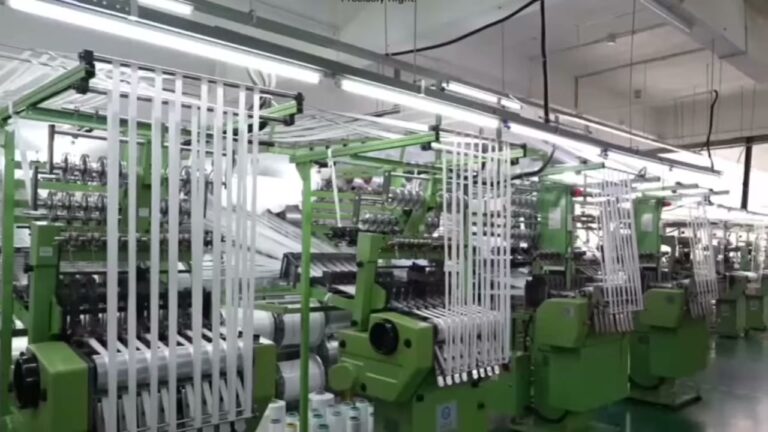 Velvet Ribbon Wholesale Checklist: MOQ, Finish, and Supplier Questions
Evaluate velvet ribbon wholesale options: MOQ, setup fees, unit cost, and packing. Narrow the list before requesting samples…
Explore guide
Velvet Ribbon Wholesale Checklist: MOQ, Finish, and Supplier Questions
Evaluate velvet ribbon wholesale options: MOQ, setup fees, unit cost, and packing. Narrow the list before requesting samples…
Explore guide
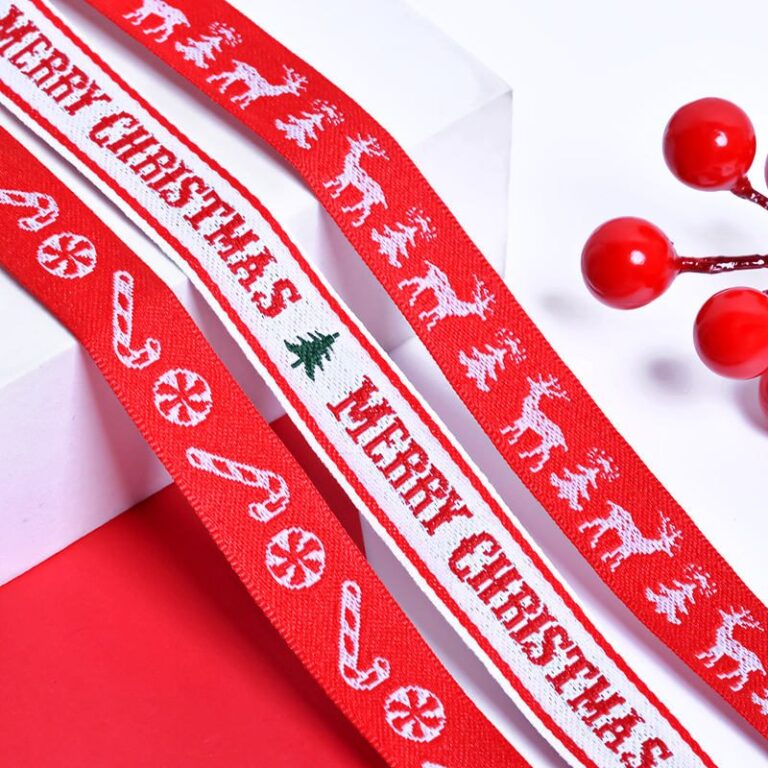 Wholesale Ribbon By The Roll: Roll length and inventory planning
Evaluate Wholesale Ribbon By The Roll options: factory capability, QC proof, lead time, and reorder reliability. Narrow the…
Explore guide
Wholesale Ribbon By The Roll: Roll length and inventory planning
Evaluate Wholesale Ribbon By The Roll options: factory capability, QC proof, lead time, and reorder reliability. Narrow the…
Explore guide
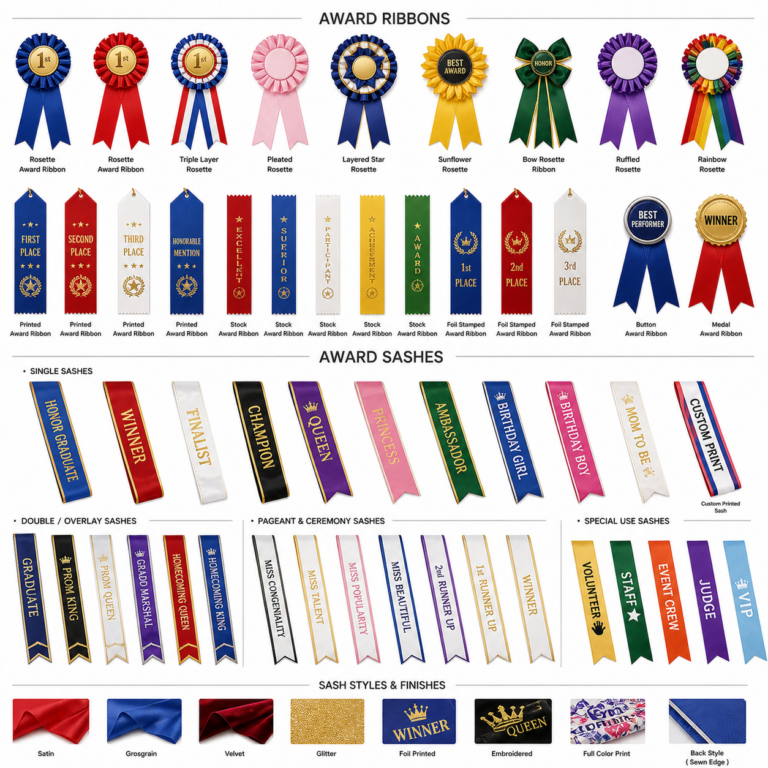 Award Ribbons Wholesale: Bulk award ribbon supplier checks
Shortlist Award Ribbons Wholesale suppliers by factory capability, QC proof, lead time, and reorder reliability. See which options…
Explore guide
Award Ribbons Wholesale: Bulk award ribbon supplier checks
Shortlist Award Ribbons Wholesale suppliers by factory capability, QC proof, lead time, and reorder reliability. See which options…
Explore guide
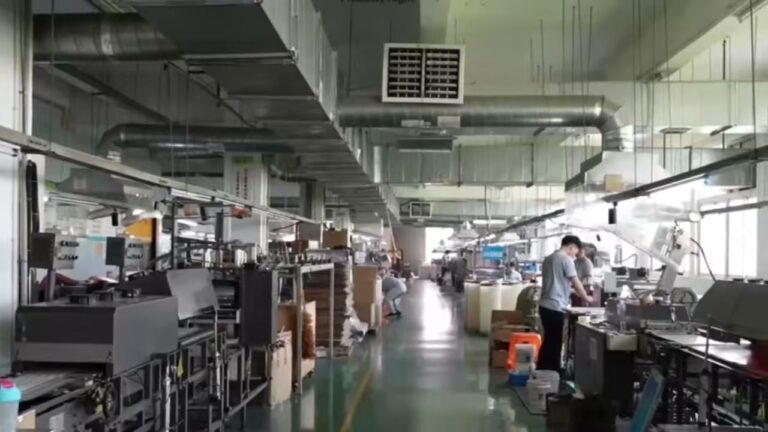 Wholesale Ribbon Manufacturers: Factory vs Trading Company Checklist
Evaluate Wholesale Ribbon Manufacturers options: factory capability, QC proof, lead time, and reorder reliability. Narrow the list before…
Explore guide
Wholesale Ribbon Manufacturers: Factory vs Trading Company Checklist
Evaluate Wholesale Ribbon Manufacturers options: factory capability, QC proof, lead time, and reorder reliability. Narrow the list before…
Explore guide
Leave a comment
Share a sourcing question or feedback on this guide. The Lude team reviews submissions before following up.