


Bulk Award Ceremony Recognition: Supplier Proof and RFQ Checklist
Use this checklist to compare factory capability, QC proof, lead time, and reorder reliability against one written approval record before bulk production
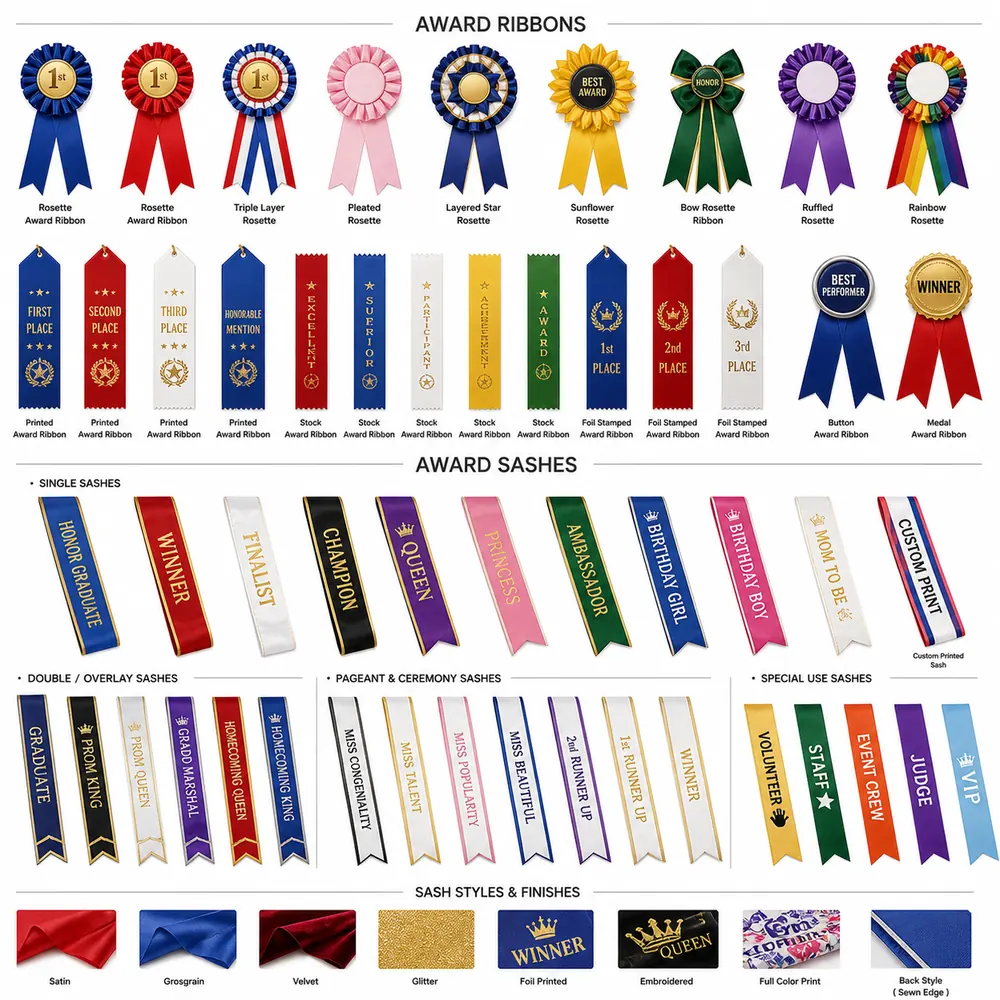
The sourcing record for award ceremony recognition: shortlist scorecard is incomplete until it shortlists award ribbon suppliers using proof, capability, quality, MOQ, and delivery criteria.
Score award suppliers on text legibility and on construction at the pin, because those two are what fail in the photographs.
Direct answer: For award ceremony recognition: shortlist scorecard, buyers should shortlist award ribbon suppliers using proof, capability, quality, MOQ, and delivery criteria.
Define the Award Ribbon, Sash, and Ceremony Scope
Use Define the Award Ribbon, Sash, and Ceremony Scope as one RFQ checkpoint. Each row should identify the requirement, approval evidence, and buyer action before production.
| Requirement | Factory control | Evidence to verify | Order risk | RFQ follow-up |
|---|---|---|---|---|
| Sample approval | Supplier submits pre-production sample for dimensional and visual check. | Measure sample against approved spec; compare color and print registration. | Unapproved sample leads to mass production defects and rework. | Request sample and approve before bulk order release. |
| Material / substrate | Verify substrate type, weight, and composition match spec. | Request material data sheet and test swatch for hand feel and durability. | Substitution of cheaper material affects award presentation and longevity. | Ask supplier for material certification and physical sample. |
| Width or size tolerance | Confirm width tolerance and cut length accuracy per order. | Measure multiple pieces from sample and production run with caliper. | Oversized or undersized ribbons fail to fit award medallions or sashes. | Specify tolerance in RFQ and verify on sample. |
| Finish or color control | Ensure color consistency and finish (matte, gloss) across batches. | Use Pantone reference and lightbox to compare sample to standard. | Color drift between dye lots causes mismatched awards at ceremony. | Request color standard and approve pre-production sample. |
| Packing format | Confirm packing per unit, bundle, or roll to match ceremony logistics. | Inspect packing list and sample packaging for protection and labeling. | Improper packing leads to damage or delays during event setup. | Specify packing requirements in RFQ and confirm on sample. |
Keep the supplier response, marked sample, and approval owner under the same revision number. If any proof conflicts with the approved record, hold the quote, sample, or production release until the supplier explains the deviation in writing. Before closing the checkpoint, reconcile the latest drawing, sample, quotation, and approval comments, identify which record controls if they disagree, and document the resolution. Carry the signed Define the Award Ribbon, Sash, and Ceremony Scope table into the purchase order and production handoff so the same checks support quote comparison, sample approval, shipment release, and later reorders.
Compare the Available Routes
| Option | Best fit | Trade-off | Risk to avoid | Verification | Follow-up |
|---|---|---|---|---|---|
| Current specification | Matches existing award ceremony recognition standards and approved artwork. | May carry higher cost if original specs exceed current needs. | Risk of overpaying for features not required for this event. | Compare current spec against actual ceremony requirements and quantities. | Confirm spec details with supplier and request updated quote. |
| Alternative specification | Suitable when a different material or finish reduces cost without losing impact. | May require new samples and approval, adding lead time. | Risk of visual mismatch with existing award ribbons and sashes. | Request samples of alternative material and compare to current spec. | Evaluate sample against ceremony theme and approve if acceptable. |
| Custom option | Best for unique branding or specific design needs not met by standard options. | Higher setup costs and longer production lead time. | Risk of design errors or production delays if specs are incomplete. | Provide detailed artwork and spec sheet; request digital proof before production. | Review proof carefully and approve for sample run. |
| Safer fallback | Use when time is short or budget is tight; standard stock or simpler design. | May lack custom branding or premium feel. | Risk of looking generic or not meeting ceremony prestige. | Check stock availability and confirm lead time for standard option. | Order fallback option if timeline is critical; consider upgrade later. |
For current specification, a poor decision can mean risk of overpaying for features not required for this event. Ask the supplier to compare current spec against actual ceremony requirements and quantities.
For award ceremony recognition, preserve the current specification decision under one revision number: keep the supplier response, marked sample, approved specification, quotation, and approval owner together. If the evidence conflicts with the approved record, hold the quote, sample, or production release until the deviation is explained in writing. Once the buyer and designated technical authority have accepted the evidence, carry the signed Compare the Available Routes record into the purchase order, production handoff, shipment release, and later reorder review so every team works from the same baseline.
Verify Color, Text, Construction, and Wearing Proof
- Supplier capability: Confirm the supplier runs ribbon products through dedicated looms and finishing lines. Factory shows sample room and production line for ribbon products. Supplier only brokers ribbon products without in-house production. Request a facility tour or video of ribbon production.
- MOQ or order quantity: Verify minimum order per material, print method, width, and packing. minimum order is negotiable and clearly tied to specs. minimum order is a flat number with no spec breakdown. Ask for a minimum order quote based on your exact specs.
- Quality control: Check for in-line inspection during printing and slitting. Supplier has QC checkpoints for color and edge finish. No QC documentation or sample approval process. Request QC records from a recent ribbon run.
- Verification method: Confirm the approval method: pre-production sample, lab test, or photo. Supplier provides a marked sample for sign-off before bulk. Only digital proofs are offered, no physical sample. Order a pre-production sample and approve in writing.
- Assess risk of delays from artwork or sample revisions. Supplier has a clear artwork review and sample approval timeline. No defined approval owner or revision limit. Set a written approval deadline and revision cap.
Project-specific decision lens: Request an approval set that reflects the ceremony. Check base material, finished width or sash dimensions, color reference, edge and pleat construction, print or foil registration, text spelling, award-class hierarchy, logo placement, backing or attachment, and how the piece sits when worn or displayed. Review one sample for every variable construction and a representative proof for each text class. Keep the signed samples with the artwork list and packing sequence so production cannot mix winner, runner-up, category, or participant versions.
Build the Decision Asset
Hold the award ceremony recognition review when evidence for Supplier lacks award-ribbon production evidence is unresolved; record the discrepancy, supplier owner, and release condition before approval.
- Supplier lacks award-ribbon production evidence: Ribbon for ceremony must match color and finish exactly; generic supplier may miss. Ask for past award ribbon samples and production photos before shortlisting. Recent order samples, factory process video, and client references. Verify samples against your Pantone and width spec.
- No documented QC checkpoints for ribbon dye lots: Color drift between dye lots can ruin a matched set of award ribbons. Require a QC plan that includes dye-lot tracking and shade-band retention. QC checklist, shade-band records, and batch test reports. Approve QC plan before sample sign-off.
- Approval chain for artwork and sample is undefined: Slow approvals delay production and can miss the ceremony date. Name one approval owner and set a response deadline for each proof. Written approval workflow with named owner and timeline. Confirm approval owner and deadline in writing.
- Verification method for ribbon width and print alignment is absent: Off-spec width or misaligned print is visible on stage and in photos. Require a pre-production sample and a measurement check at the factory. Sample measurement report and alignment check record. Measure sample against spec and document result.
Supplier evidence to request
Before you shortlist a ribbon supplier for award ceremony recognition, ask for proof they have produced similar award ribbons. Generic ribbon makers may not handle the exact width, print, or finish you need. Request samples from recent orders, a factory video, and client references. This evidence confirms the supplier can match your specification and deliver a consistent product for the ceremony.
Sample approval evidence
Sample approval is your last control before bulk production. Compare the sample against your written specification, including color, width, and print alignment. Keep a signed sample as your reference for the production run. If the sample does not match, reject it and ask for a revised sample before you approve. This step prevents costly mistakes and ensures the final ribbons meet your ceremony standards.
Reorder control records
If you may need reorders for future ceremonies, confirm the supplier can match the original dye lot and print. Ask how they store artwork and color formulas. For OEM and ODM ribbon development, a clear reorder process protects consistency. Document the reorder lead time and minimum order quantity in your contract so you can plan ahead without last-minute surprises.
Issue an Award-Ceremony Ribbon and Sash RFQ
- What is your process for verifying that the ribbon's color and finish match the approved sample during bulk production? A clear verification method ensures the supplier can maintain color consistency across the full run, not just the sample. Supplier describes a documented check at the start of production, such as a side-by-side comparison to the approved sample under standard lighting. Color drift between sample and bulk can ruin the ceremony's visual impact and may not be caught until delivery. Ask for a production sample or in-process photo before the full run is completed.
- What is your approval process for the sample before you start bulk production? An explicit approval gate protects you from unauthorized production runs that don't match your specifications. Supplier requires your written sign-off on the sample before proceeding, and holds production until approval is received. If the supplier skips approval, you could receive a bulk order that misses your quality bar, leading to waste and reorder costs. Confirm the approval step in writing and ensure your team has a designated approver and timeline.
- What follow-up checks do you perform after the sample is approved to ensure the bulk order stays on spec? Knowing the supplier's post-approval checks helps you plan your own quality control and avoid surprises at delivery. Supplier mentions in-line inspections during production and a final random inspection before packing, with records available on request. Without follow-up checks, defects may go unnoticed until the ribbons are unboxed at the ceremony venue. Request a quality report or photos from the production line and schedule a final inspection before shipment.
Project-specific decision lens: Send every shortlisted supplier the same ceremony matrix: item type, dimensions, material, color, edge or rosette construction, text and logo artwork, award class, quantity per class, attachment, individual presentation, sorting order, carton label, sample milestone, inspection point, event date, destination, and required arrival date. Ask for separate setup, tooling, class-change, assembly, sorting, and packing charges. Compare the supplier’s version-control and event-date response alongside unit price because one incorrect class or late carton can disrupt the award sequence.
In conclusion
For award ribbon programs, the next procurement action is a written quote request and sample approval record, not only a preferred style or unit price. Confirm the specification, minimum order assumption, artwork version, supplier capability, sample approval method, QC checkpoint, approval risk, and quote follow-up before bulk production.
Frequently Asked Questions
How should a b2b buyer compare supplier options?
Compare suppliers by scoring each against your award ceremony specification, not just price. For each shortlisted ribbon supplier, check material, width, print method, and attachment type against your required look and durability. Confirm minimum order and lead time in the quote request, and ask for a sample to verify color and finish before you commit.
Which supplier proof should buyers request for award ceremony recognition?
Request proof of capability for your specific award ribbon program: past samples or photos of similar ceremony ribbons, a clear specification sheet, and a written lead time. Ask for a pre-production sample to check color, texture, and print sharpness. Verify the supplier can match your required quantity and schedule, and confirm any reorder terms in the quote request.
What should buyers lock before approving supplier shortlist scorecard?
Before approving your shortlist scorecard, lock the specification details: ribbon width, material, print colors, and any attachment or finishing. Confirm the minimum order and lead time for your order volume, and document the supplier’s quality check process. Approve only after you have a sample that matches your spec and a written quote that includes all costs.
quote request handoff: Send Specs for Review.
Keep exploring
Recommended buyer guides
 Velvet Ribbon Wholesale Checklist: MOQ, Finish, and Supplier Questions
Evaluate velvet ribbon wholesale options: MOQ, setup fees, unit cost, and packing. Narrow the list before requesting samples…
Explore guide
Velvet Ribbon Wholesale Checklist: MOQ, Finish, and Supplier Questions
Evaluate velvet ribbon wholesale options: MOQ, setup fees, unit cost, and packing. Narrow the list before requesting samples…
Explore guide
 Wholesale Ribbon By The Roll: Roll length and inventory planning
Evaluate Wholesale Ribbon By The Roll options: factory capability, QC proof, lead time, and reorder reliability. Narrow the…
Explore guide
Wholesale Ribbon By The Roll: Roll length and inventory planning
Evaluate Wholesale Ribbon By The Roll options: factory capability, QC proof, lead time, and reorder reliability. Narrow the…
Explore guide
 Award Ribbons Wholesale: Bulk award ribbon supplier checks
Shortlist Award Ribbons Wholesale suppliers by factory capability, QC proof, lead time, and reorder reliability. See which options…
Explore guide
Award Ribbons Wholesale: Bulk award ribbon supplier checks
Shortlist Award Ribbons Wholesale suppliers by factory capability, QC proof, lead time, and reorder reliability. See which options…
Explore guide
 Wholesale Ribbon Manufacturers: Factory vs Trading Company Checklist
Evaluate Wholesale Ribbon Manufacturers options: factory capability, QC proof, lead time, and reorder reliability. Narrow the list before…
Explore guide
Wholesale Ribbon Manufacturers: Factory vs Trading Company Checklist
Evaluate Wholesale Ribbon Manufacturers options: factory capability, QC proof, lead time, and reorder reliability. Narrow the list before…
Explore guide
Leave a comment
Share a sourcing question or feedback on this guide. The Lude team reviews submissions before following up.