


1 Inch Grosgrain Ribbon Wholesale: Width, MOQ, and Quality Checklist
Evaluate 1 Inch Grosgrain Ribbon Wholesale options: sample approval, color tolerance, QC checks, and MOQ. Narrow the list before requesting samples
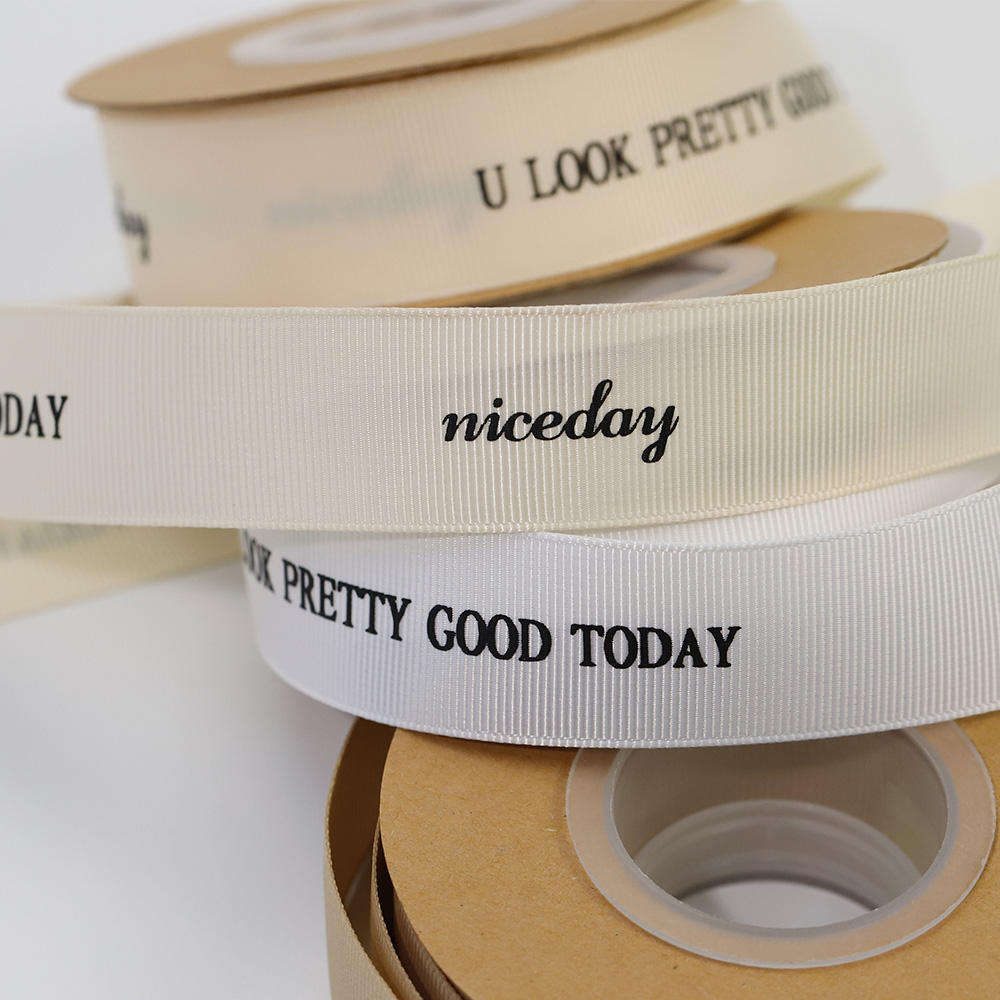
For packaging buyers, brand owners, importers, distributors, retail packaging teams, gift packaging buyers, cosmetics and perfume packaging buyers, event and award program buyers, 1 inch grosgrain ribbon wholesale becomes expensive when the buyer only compares surface details. A vague spec, missing quote input, weak sample check, or unclear supplier responsibility can change cost, delay approval, or create reorder problems.
Expert note: The Lude Ribbon editorial team creates practical B2B ribbon and bow buying guides from approved factory, product, sampling, and sourcing context.
This article helps you shortlist suppliers by proof, capability, sample process, quality control, and commercial fit. You will see what to check, why it matters commercially, what risk to watch for, and what action to take before quote, sample, or bulk order approval.
What buyers should compare when sourcing 1 inch grosgrain ribbon wholesale
Use this first pass to compare supplier proof, commercial terms, and export-readiness before asking for a sample or price.
| Criterion | What to check | Strong signal | Risk signal | Follow-up |
|---|---|---|---|---|
| Factory capability evidence to request | Request factory profile showing ribbon-specific production lines, width tolerance controls, and edge finishing equipment for grosgrain. | Factory provides a dedicated QC inspector count, on-site sample room, and drawing-based or sample-based customization documentation. | Factory cannot separate grosgrain production from other ribbon types or lacks documented width consistency checks. | Ask for a factory tour video or third-party audit report focused on ribbon weaving and slitting processes. |
| MOQ, sampling, lead-time, and reorder terms to compare | Confirm MOQ per color per width, sample cost and turnaround, standard production lead time, and reorder price lock period. | Supplier offers negotiable MOQ by material and print method, provides sample within supplier-confirmed timing, and states reorder terms in writing. | MOQ is a single global number not broken down by color or width; sample cost is high or non-refundable without order commitment. | Request a written RFQ that breaks MOQ by color, width, and packing unit, and ask for sample approval checklist. |
| Communication, packing, and export-readiness signals | Evaluate response time to technical questions, packing options (roll vs flat pack), labeling accuracy, and export documentation capability. | Supplier responds within agreed response time with detailed answers, offers standard export packing with polybag and carton, and provides COA or packing list. | Slow or vague responses on packing details; no mention of export documentation or labeling standards. | Send a test RFQ with specific packing and labeling requirements, and request a sample of export packing. |
| Specifications | Verify width tolerance, material composition (polyester or nylon), edge finish (woven or heat-cut), and colorfastness grade. | Supplier provides a spec sheet with tolerance ranges, material test reports, and colorfastness certification. | Specifications are vague or not provided; supplier cannot guarantee consistent width or color across batches. | Request a spec sheet and ask for a pre-production sample to measure width and check edge quality. |
| Cost Driver | Identify cost drivers: material type, dye method (solution-dyed vs piece-dyed), width tolerance, roll length, and packing complexity. | Supplier breaks down cost by material, dye method, and packing, and explains how MOQ affects unit price. | Price is quoted as a single figure without breakdown; supplier cannot explain why cost changes with order size or specs. | Ask for a cost breakdown by component and request a quote for two different MOQ levels to see price elasticity. |
| Quality Control | Inquire about in-line inspection during weaving, final inspection for width and color, and defect rate reporting. | Supplier has dedicated QC inspectors, uses AQL sampling for final inspection, and provides defect rate data per batch. | No QC process described; supplier cannot provide inspection reports or defect rate history. | Request a QC checklist and ask for a copy of the most recent inspection report for a similar order. |
A useful shortlist normally has fewer suppliers but more proof. Sample versions, approval owner, packing assumptions, and reorder rules should be visible before price is compared.
Factory capability evidence to request
Confirm the specification, quote assumption, approval owner, production risk, and reorder record before moving to bulk production.
MOQ, sampling, lead-time, and reorder terms to compare
Confirm the specification, quote assumption, approval owner, production risk, and reorder record before moving to bulk production.
Communication, packing, and export-readiness signals
Confirm the specification, quote assumption, approval owner, production risk, and reorder record before moving to bulk production.
Product and specification checks before shortlisting
Lock the product scope before shortlisting. The sample, artwork, color, finish, packing, and inspection method should all point to the same order version.
| Criterion | What to check | Strong signal | Risk signal | Follow-up |
|---|---|---|---|---|
| Material, width, color, finish, and customization range | Confirm grosgrain is polyester woven ribbed; measure actual width against nominal width; request Pantone or physical color swatch across dye lots; verify matte or glazed finish; ask if custom width, color, or finish is available without new tooling. | Supplier provides a physical swatch pack with width tolerance within the buyer-approved tolerance and offers Pantone matching at no extra charge for orders above the RFQ-confirmed quantity. | Supplier only quotes nominal width without dimensional tolerance; color samples are digital only; custom finish requires a separate mold or tooling fee. | Request a physical cutting from at least three dye lots; measure width with a calibrated ruler; confirm custom color MOQ and lead time in writing. |
| Printing, bow-making, packing, and inspection capability | Ask if supplier runs in-house printing (screen, flexo, or digital) and bow-making; confirm packing options (roll, spool, flat pack, poly bag); verify final inspection includes width, color, print registration, and bow symmetry. | Supplier has dedicated printing and bow-making lines with inline inspection; offers custom packing per SKU and provides a pre-shipment inspection report with photos. | Printing and bow-making are subcontracted; packing is standard only; inspection is visual spot-check without documented criteria. | Request a sample of printed ribbon and a sample bow; ask for a copy of the inspection checklist; confirm packing specifications in the RFQ. |
| Supplier Capability | Verify the supplier manufactures grosgrain ribbon in-house, not just trades; ask about annual output in yards, number of looms, and experience with the buyer-approved dimension width; check if they handle custom programs for packaging or apparel trim. | Supplier operates its own weaving and dyeing facility and has a dedicated team for custom ribbon programs with a supplier-confirmed sample lead time. | Supplier is a trading company or only finishes imported greige goods; cannot provide a factory audit report or production timeline for custom orders. | Request a factory profile with equipment list and output capacity; schedule a video tour or third-party audit before shortlisting. |
| Quality Control | Ask about QC checkpoints: incoming yarn inspection, in-process width and color checks, final roll inspection for defects (slubs, streaks, uneven dye), and adhesion test for printed ribbon. | Use the buyer-approved method, threshold, and dated result | QC is limited to visual inspection at final packing; no documented procedures for width or color consistency; no third-party testing available. | Request a QC checklist and sample inspection report; ask if they can provide Oeko-Tex Standard 100 certification for the ribbon material. |
| Verification | Confirm the supplier can provide a physical sample before bulk production; ask for a pre-production sample (PPS) approval process; verify they allow a third-party inspection during production or before shipment. | Supplier requires signed PPS approval before bulk production and offers video or photo confirmation of each QC step; accepts SGS or Bureau Veritas inspection at buyer's cost. | Supplier ships from stock without sample approval; does not allow third-party inspection; only provides a packing list as proof of quality. | Request a PPS for the first order; include a clause in the purchase order requiring pre-shipment inspection; confirm the inspection standard (AQL, sampling plan) in writing. |
| Buyer Risk | Assess risk of color variation between reorders, width inconsistency across production runs, print misregistration, bow asymmetry, and delayed delivery; check supplier's reorder policy and lead time reliability. | Supplier maintains dye lot records and can match previous orders within buyer-approved ΔE tolerance; offers a reorder guarantee with same width tolerance and print registration; lead time is consistently within quoted range. | Supplier has no system for dye lot tracking; reorders show visible color shift; width varies by more than the buyer-approved dimension; print bleeds or misaligns on repeat orders; lead time often exceeds quoted window. | Request references from buyers with repeat orders; ask for a reorder history report; include a liquidated damages clause for late delivery in the contract. |
When the same sample, artwork, and packing version are referenced through the quote, both buyer and supplier can catch errors before bulk approval.
For product context, review OEM and ODM ribbon development after the buyer has confirmed specifications, sample records, and RFQ assumptions.
Material, width, color, finish, and customization range
Confirm the specification, quote assumption, approval owner, production risk, and reorder record before moving to bulk production.
Printing, bow-making, packing, and inspection capability
Confirm the specification, quote assumption, approval owner, production risk, and reorder record before moving to bulk production.
RFQ checkpoint
Send material, size, color, finish, packing, quantity, artwork, and sample requirements so the supplier can confirm quote assumptions before production approval.
MOQ, cost, sample, and lead-time questions
Compare quote assumptions line by line. Unit price is only useful when MOQ, sample cost, packing, schedule, and reorder terms are defined the same way.
| Risk signal | Why it matters | Buyer response | Proof to request | Follow-up |
|---|---|---|---|---|
| Quote assumes a different material width or weave density than your spec | A 1-inch grosgrain ribbon quote based on a 7/8-inch or 1.25-inch width changes yardage cost and may not fit your packaging or trim application | Ask each supplier to confirm the exact width, picks per inch, and edge finish in writing before comparing unit prices | A spec sheet or sample tag showing the measured width and weave construction | Send your written spec to all shortlisted suppliers and request a quote confirmation against that spec |
| Low unit price tied to a high MOQ that exceeds your first-order budget | A cheap per-yard price can lock you into excess inventory or cash flow strain if the MOQ is well above the quantity you actually need | Calculate total landed cost at the quoted MOQ, not just the unit price, and ask if a trial order at a lower quantity is available | A written MOQ breakdown by color, width, and packing configuration | Request a sample yardage at the quoted price tier before committing to the full MOQ |
| Supplier cannot produce consistent color across multiple dye lots | Grosgrain ribbon dye lots can shift between production runs, causing visible color mismatch in reorders or multi-batch projects | Ask about their dye-lot control process and whether they offer continuous dye-lot matching for repeat orders | A dye-lot consistency report or photos of three consecutive production runs for the same color code | Request a shade-band sample from the actual production batch, not a lab dip |
| No in-house QC inspection for ribbon width and edge defects | Without width gauging and edge-trim checks, you may receive ribbon that frays or varies in width, ruining automated packaging or bow-tying equipment | Ask whether they perform a width inspection or use statistical sampling during slitting and rewinding | A QC checklist or inspection report from the last three production orders for a similar grosgrain product | Request a pre-shipment inspection report or third-party inspection for your first order |
| Buyer assumes sample approval guarantees production quality | A hand-cut sample may not reflect production-run width, color, or edge finish, leading to rejected goods after full payment | Require that the production sample be cut from the actual production roll, not a hand-made prototype | A production sample tag with roll number, date, and inspector initials | Include a clause in your purchase order that production must match the approved production sample within stated tolerances |
| Supplier cannot provide a written lead-time commitment per order | Without a confirmed lead time, you risk production delays that miss your packaging or event schedule | Ask for a lead-time breakdown: sample prep, raw material procurement, weaving, dyeing, slitting, packing, and shipping | A written production schedule with milestone dates for your specific order | Confirm lead time in the purchase order and request weekly progress updates |
If suppliers answer these points differently, normalize the assumptions before treating one quote as cheaper.
For product context, review custom printed ribbon after the buyer has confirmed specifications, sample records, and RFQ assumptions.
How to compare quote assumptions across suppliers
Confirm the specification, quote assumption, approval owner, production risk, and reorder record before moving to bulk production.
When low unit price creates quality or delay risk
Confirm the specification, quote assumption, approval owner, production risk, and reorder record before moving to bulk production.
Quality and communication red flags
Treat these signals as hold points. A supplier that cannot confirm proof, approvals, or follow-up ownership should not move straight to bulk production.
| Risk signal | Why it matters | Buyer response | Proof to request | Follow-up |
|---|---|---|---|---|
| Supplier approves artwork without a signed color standard reference | Color deviation on 1-inch grosgrain ribbon is common; without an approved physical standard, the production batch may be rejected after weaving. | Require a signed Pantone or physical swatch approval before any production run. | Signed artwork approval form with color standard reference and date. | Hold first article inspection until signed color standard is on file. |
| Packing and labeling specifications are not confirmed in writing before shipment | Mismatched roll count, missing private labels, or incorrect barcode can delay customs clearance and retail acceptance. | Request a packing and labeling checklist that matches your purchase order line by line. | Pre-shipment packing list and label mock-up approved by your logistics team. | Require photo evidence of labeled rolls before container loading. |
| Supplier cannot demonstrate in-house weaving or slitting capacity for 1-inch width | Outsourced slitting often leads to inconsistent edge finish and width tolerance failures on grosgrain ribbon. | Ask for a factory tour video or third-party audit report showing dedicated ribbon production lines. | Factory capability sheet listing specific looms and slitting equipment for 1-inch ribbon. | Schedule a virtual factory walk-through before placing the first order. |
| Quality control plan does not include inline inspection during weaving and dyeing | Defects such as broken picks, shade variation, or selvage issues are only caught at final inspection, causing high rejection rates. | Request a QC flow chart that shows inspection points at greige, dyeing, and finished goods stages. | QC checklist with pass/fail criteria for each production stage. | Require inline inspection reports for the first production batch. |
| Buyer does not verify supplier's liability insurance or business license before payment | Uninsured suppliers may not cover losses from defective goods or shipping delays, leaving the buyer with full financial exposure. | Request a copy of the supplier's commercial liability insurance and current business registration. | Insurance certificate and business license translated into your language. | Verify documents with your legal or compliance team before issuing a purchase order. |
| Supplier refuses to provide third-party test reports for colorfastness or width consistency | Without independent verification, the ribbon may fail end-use requirements such as washability or uniform width for automated packaging. | Ask for test reports from an accredited lab (e.g., SGS, Intertek) for the specific 1-inch grosgrain ribbon grade. | Test report showing colorfastness rating and width tolerance (e.g., the buyer-approved tolerance). | Include test report submission as a condition in the RFQ and sample approval gate. |
Any red flag should become a written hold point because it affects sample approval, shipment timing, and repeat orders.
For product context, review gift and retail packaging ribbon solutions after the buyer has confirmed specifications, sample records, and RFQ assumptions.
Artwork, color, and sample approval gaps
Confirm the specification, quote assumption, approval owner, production risk, and reorder record before moving to bulk production.
Packing, labeling, and repeat-order control risks
Confirm the specification, quote assumption, approval owner, production risk, and reorder record before moving to bulk production.
How to move from shortlist to RFQ
Turn the shortlist into an RFQ package with exact specs, approval records, packing requirements, QC checkpoints, and delivery expectations.
| Criterion | What to check | Strong signal | Risk signal | Follow-up |
|---|---|---|---|---|
| Quote-ready inputs to send | Full spec sheet: material, width, print method, color, packing, and order schedule. | Supplier requests and confirms all spec details before quoting. | Supplier provides a generic quote without asking for material or print method. | Send a structured RFQ with all spec fields; require confirmation of each before quote. |
| Sample checks before deposit or bulk approval | Sample matches approved spec: color, width, print registration, and edge finish. | Supplier provides a pre-production sample with a signed approval sheet. | Supplier ships bulk without sample approval or sample deviates from spec. | Require a signed sample approval form before any deposit or bulk production. |
| Supplier Capability | Factory experience with grosgrain ribbon: looms, dyeing, and finishing equipment. | Supplier specializes in ribbon and can show production lines for 1-inch width. | Supplier is a general textile factory with no dedicated ribbon production line. | Request a factory tour or video of ribbon-specific production equipment. |
| Quality Control | QC process for color consistency, width tolerance, and edge fraying. | Supplier has in-line inspection and a documented AQL sampling plan. | Supplier has no QC documentation or relies only on final visual check. | Ask for QC checklist and AQL levels; plan a third-party inspection before shipment. |
| Verification | Third-party audit or certification for factory and production process. | Factory holds a recent audit report from a recognized body (e.g., BSCI, SEDEX). | Supplier cannot provide any audit or certification and refuses a site visit. | Request a copy of the latest audit report or schedule a virtual factory audit. |
| Buyer Risk | Reorder history, lead time reliability, and communication responsiveness. | Supplier provides references from repeat buyers and on-time delivery records. | Supplier has no reorder history or delayed previous orders without explanation. | Ask for three client references and confirm lead time commitments in writing. |
The clearer the RFQ packet, the easier it is to compare supplier answers and reduce revision cycles after sampling.
For product context, review Lude Ribbon factory after the buyer has confirmed specifications, sample records, and RFQ assumptions.
Quote-ready inputs to send
Confirm the specification, quote assumption, approval owner, production risk, and reorder record before moving to bulk production.
Sample checks before deposit or bulk approval
Confirm the specification, quote assumption, approval owner, production risk, and reorder record before moving to bulk production.
Conclusion
Sourcing 1-inch grosgrain ribbon wholesale requires more than comparing prices—it demands verifying that each supplier can consistently meet your width tolerance, color matching, and print adhesion specifications. Before committing to a bulk order, confirm the exact MOQ for your chosen material, print method, and packing configuration, and request a physical sample to validate quality and color accuracy. Lead times vary significantly by order complexity and factory capacity, so ask for a detailed timeline that includes sample production, bulk manufacturing, and shipping. To minimize reorder risk, shortlist a supplier that provides clear QC documentation and responsive communication throughout the approval process.
To request a quote, visit grosgrain ribbon and confirm the final specification, quote assumptions, sample approval, QC evidence, buyer risk, and next action before bulk order.
FAQs About 1 Inch Grosgrain Ribbon Wholesale
This part shows how 1 inch grosgrain ribbon wholesale affects specification fit, cost exposure, production risk, supplier execution, and approval timing.
What should buyers verify before ordering 1 inch grosgrain ribbon wholesale?
Verify width tolerance, rib texture, material composition, color standard, roll length, packing, and intended use. A sample should confirm both appearance and handling before bulk production.
How does 1 inch width affect MOQ and quote accuracy?
The 1 inch width may be standard, but MOQ still depends on material, dye color, print method, roll length, packing, and quantity. Ask the supplier to quote against the exact specification instead of a generic wholesale price.
What QC checks matter for grosgrain ribbon?
Check width consistency, edge fraying, rib texture, colorfastness, print adhesion, roll length accuracy, and carton labeling. Require an approval record and pre-shipment inspection criteria for the first order.
Should buyers choose polyester or cotton grosgrain ribbon?
Polyester is usually chosen for durability, color consistency, and broader production availability. Cotton may be useful for a specific hand feel, but buyers should confirm shrinkage, dye consistency, and sample lead time before ordering.
What information should be sent in a grosgrain ribbon RFQ?
Send width, material, color reference, print or logo file, roll length, packing method, quantity, sample deadline, delivery date, and QC expectations. The supplier can then return MOQ, cost drivers, and production timing by line item.
What red flags show a 1 inch grosgrain ribbon supplier is risky?
Be careful when the supplier cannot confirm width tolerance, material, color standard, sample policy, QC process, or reorder records. These gaps can lead to shade variation, edge defects, wrong roll lengths, or delayed replenishment.
Keep exploring
Recommended buyer guides
 Velvet Ribbon Wholesale Checklist: MOQ, Finish, and Supplier Questions
Evaluate velvet ribbon wholesale options: MOQ, setup fees, unit cost, and packing. Narrow the list before requesting samples…
Explore guide
Velvet Ribbon Wholesale Checklist: MOQ, Finish, and Supplier Questions
Evaluate velvet ribbon wholesale options: MOQ, setup fees, unit cost, and packing. Narrow the list before requesting samples…
Explore guide
 Wholesale Ribbon By The Roll: Roll length and inventory planning
Evaluate Wholesale Ribbon By The Roll options: factory capability, QC proof, lead time, and reorder reliability. Narrow the…
Explore guide
Wholesale Ribbon By The Roll: Roll length and inventory planning
Evaluate Wholesale Ribbon By The Roll options: factory capability, QC proof, lead time, and reorder reliability. Narrow the…
Explore guide
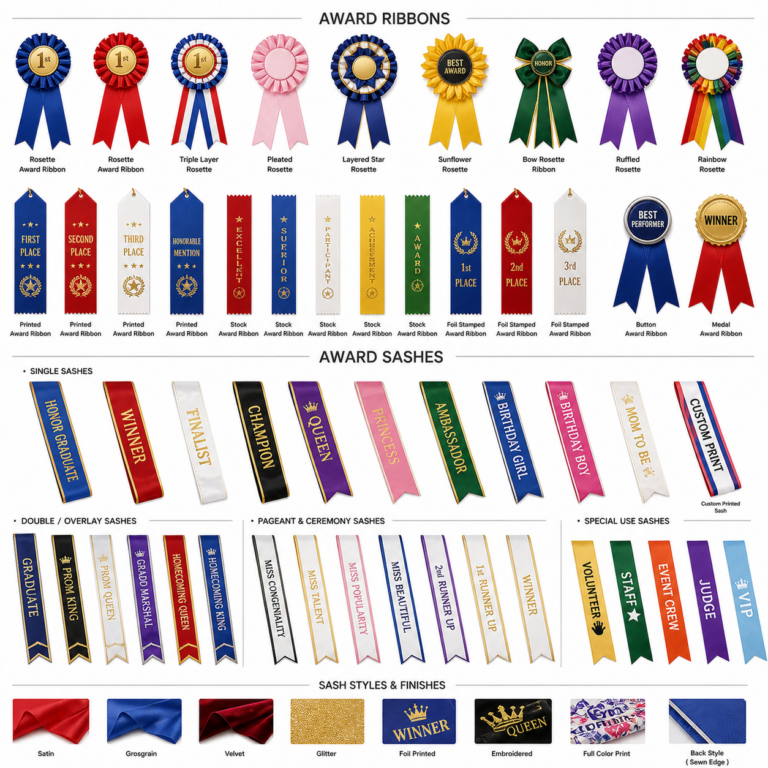 Award Ribbons Wholesale: Bulk award ribbon supplier checks
Shortlist Award Ribbons Wholesale suppliers by factory capability, QC proof, lead time, and reorder reliability. See which options…
Explore guide
Award Ribbons Wholesale: Bulk award ribbon supplier checks
Shortlist Award Ribbons Wholesale suppliers by factory capability, QC proof, lead time, and reorder reliability. See which options…
Explore guide
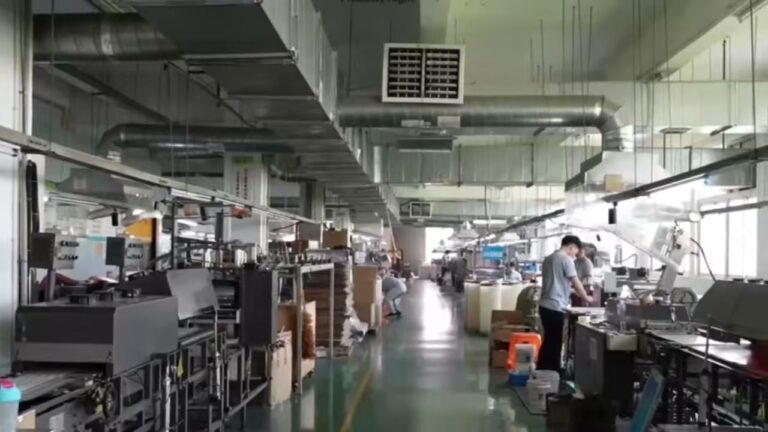 Wholesale Ribbon Manufacturers: Factory vs Trading Company Checklist
Evaluate Wholesale Ribbon Manufacturers options: factory capability, QC proof, lead time, and reorder reliability. Narrow the list before…
Explore guide
Wholesale Ribbon Manufacturers: Factory vs Trading Company Checklist
Evaluate Wholesale Ribbon Manufacturers options: factory capability, QC proof, lead time, and reorder reliability. Narrow the list before…
Explore guide
Leave a comment
Share a sourcing question or feedback on this guide. The Lude team reviews submissions before following up.